TL;DR
A landscape-stair plan described by This Old House uses 6×6 timbers for steps and supporting sleepers, and reclaimed timbers may reduce material costs. The article cites a current price of about $36 for a new 8-foot 6×6 at Home Depot, but actual savings depend on the reclaimed wood’s condition, size and removal costs.
Reclaimed 6×6 timbers may lower the material cost of outdoor landscape steps, according to a building guide featuring a This Old House construction method. The guide says a new 8-foot 6×6 currently costs about $36 at Home Depot, while used timbers may be available free or at low cost through online listings, construction businesses or dismantled playsets.

Get business pricing on tools and workshop supplies
- Business-only prices and quantity discounts
- Tax-exempt purchasing
- Multiple users, one account, clear invoices
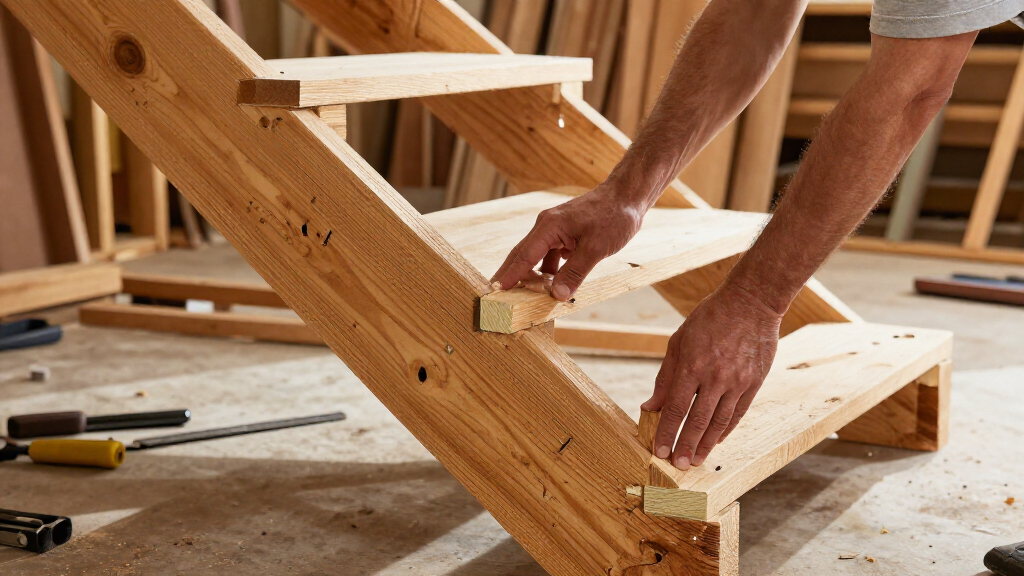
The described design uses treated 6×6 timbers both as visible stair treads and as buried supports called sleepers. Instead of placing the wood loosely in soil, the method joins timber pieces together and sets them on a carefully leveled gravel foundation. Tools and supplies include gravel, preservative, a level, a shovel, a saw, rebar, long timber screws, a drill/driver and a sledgehammer.
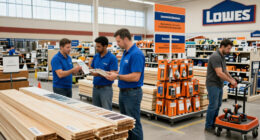
Potential places to find used timbers include Facebook Marketplace and Craigslist, as well as residential construction, fencing and deck-building businesses. The guide also points to dismantled children’s playsets, which may contain long, relatively usable pieces. Getting the wood can require substantial labor: taking apart a playset or removing fence posts can be time-consuming and difficult.
Dimensions matter. The guide says the steps will likely need timbers at least 36 inches long, with widths around 48 to 60 inches or more for a broader stairway. In the example design, each step has a 5½-inch rise and an 11-inch tread. The sleepers are placed in successive rows, with each new one set 11 inches shorter than the previous one. The builder is advised to check level throughout the work.
Save on Stair Materials with Reclaimed 6x6s
Reclaimed timbers may lower lumber costs for landscape steps. Their real value depends on condition, usable length, and the effort required to recover them.
Where to find usable timbers
The guide suggests several possible sources; each piece still needs inspection.
Search locally
Facebook Marketplace and Craigslist may offer used timbers free or at low cost.
Ask about offcuts
Residential construction, fencing, and deck-building businesses may have scrap wood.
Consider dismantled sets
They may contain long pieces, but taking them apart can take substantial work.
How the stair structure works
The described method joins treated timbers and supports them on carefully leveled gravel.
Measure the slope, landings, and intended stair width before choosing timbers.
Set the longest sleeper level with the lower landing on a prepared gravel foundation.
Add successive sleepers and treads, checking level and keeping step spacing consistent.
Check the wood and the true cost
Free timber can still require removal, hauling, sorting, and replacement of unsuitable pieces.
- Confirm pieces are long enough for the layout.
- Inspect for decay, splitting, insect damage, and other defects.
- Compare recovery and transport effort with new lumber costs.
- Allow for gravel, fasteners, tools, and preservative.
- Check local requirements, drainage, and any needed landings.
- Get qualified help if slope or structural demands are uncertain.
Where the Savings Can Disappear
Reclaimed wood can reduce what a homeowner spends on lumber, particularly when multiple long timbers are needed. At the cited retail price, replacing even a handful of new 8-foot pieces could add up, though the guide does not calculate a project total or document a specific homeowner’s savings. The $36 price is a reference point, not a guarantee of current local pricing or the cost of a comparable reclaimed timber.
Free material is not necessarily free to use. Pickup, dismantling, hauling and sorting take time, and some recovered pieces may be too short, damaged or unsuitable for the layout. A project’s real cost also includes gravel, fasteners, tools and wood preservative. The guide’s central practical point is to assess the timbers’ usable length and condition before relying on them to make the project cheaper.
The steps also need to be consistent and stable. A misjudged rise or uneven footing can create a tripping hazard, while a poorly leveled foundation can undermine the finished staircase. Reuse can be a budget-conscious choice, but it does not remove the need for sound construction and regular inspection.
Products Worth Considering

Google Nest Smart Thermostat, Programmable Wi-Fi, Charcoal

Philips Hue Smart Light Starter Kit with Bridge and 4 White and Color A19 Bulbs

Sonos One Two-Room Set Smart Speakers with Built-In Alexa, Black
As an affiliate, we earn on qualifying purchases.
How the Timber Stair Design Works
The method is presented in an older, standard-definition episode of This Old House. Its construction approach connects pieces of wood and rests the stair structure on a leveled base rather than relying only on timbers nestled in soil. The guide describes a typical rise of 5½ inches—the nominal thickness of a 6×6—and an 11-inch tread depth.
For the first step, the builder measures the bottom and top landing positions and digs a trench so the longest sleeper can sit level with the lower landing. Two treated timbers are pinned in place, and a shorter sleeper is positioned behind them to support the next step. The process repeats up the slope, with frequent level checks. Since natural ground may change in steepness, the guide recommends adding a landing where needed rather than allowing step spacing to become irregular.
The guide says outdoor stair risers commonly fall within a 4- to 7¾-inch range and gives 10 to 11 inches as a minimum tread-depth reference. It also cites Landscape Architectural Graphic Standards guidance for a 36-inch landing when a tread must extend beyond 18 inches. These figures are planning references; local rules and site conditions may impose different requirements.
“A single 8-foot 6×6 currently runs around $36 at Home Depot.”
— The guide
Timber Condition and Site Rules
The guide does not specify the age, species, treatment history or inspection criteria for reclaimed timbers. It says playset wood may resist rot and insects and may have limited damage, often concentrated near ground contact, but that description should not be assumed to apply to every salvaged piece. Buyers would need to inspect each timber for decay, splitting, insect damage and other defects before using it in a load-bearing outdoor stair.
It is also unclear how much a particular project would save after removal, transport and replacement of unsuitable wood. The cited retail price is not tied to a location or a specific date, and no complete materials estimate is provided. The guide says outdoor wood in contact with soil cannot be protected from rot permanently and suggests planning to replace it in 10 to 15 years; actual service life may vary with exposure, drainage, treatment and maintenance.
Stair dimensions, permits and inspection requirements can vary by location and by how the stairs are used. The material provided does not establish which local codes apply to a particular yard, nor whether a given slope needs a retaining structure or other professional assessment.
Check Materials Before Building
Anyone considering the design should first measure the slope, landings and intended stair width, then confirm that reclaimed timbers are long enough and in sound condition. Compare the time and cost of dismantling and hauling used wood with the price of new, appropriately treated lumber. A plan should account for consistent rises and treads, a stable gravel base, drainage and any landings needed to follow the grade.
Before construction, check local building and landscape requirements and seek qualified help if the slope, retaining conditions or structural demands are uncertain. Use appropriate protective equipment when cutting or handling treated or salvaged wood, and follow the product’s handling instructions for preservative. The guide provides a construction concept and sourcing ideas, but it does not report a completed project, verified cost savings or a follow-up on how a particular staircase performed.
Source: rss
Key Questions
Can reclaimed 6x6s reduce the cost of outdoor stairs?
They may reduce lumber costs if suitable timbers are available cheaply or free. Savings depend on usable length and condition, plus the time and expense of dismantling, pickup and transport.
Where can homeowners look for reclaimed 6×6 timbers?
The guide suggests online listings such as Facebook Marketplace and Craigslist, and asking construction, fencing or deck-building businesses about scrap material. Dismantled playsets may also provide long timbers, though removal can be difficult.
What dimensions does the example stair design use?
The example uses a 5½-inch rise and an 11-inch tread. These are the guide’s design dimensions, not a substitute for checking site conditions and applicable local requirements.
How long will outdoor 6×6 stairs last?
The guide says wood touching the ground cannot be protected from rot permanently and recommends planning for replacement in 10 to 15 years. The actual lifespan can vary with wood condition, treatment, drainage and exposure.
Source: hunker.com