For framing jobs, you’ll need larger, thicker nails like 16d or 20d for strength and durability, while finish projects call for smaller nails, such as 15 or 16 gauge, for a cleaner look. The size and gauge of nails determine how well they hold and what kind of material they’re best suited for. Using the right size prevents weak joints and damage, ensuring your project lasts longer. Keep going to discover more tips for choosing the right nails.
Key Takeaways
- Larger, thicker nails (16d or 20d) are used for framing, providing strength and durability for structural components.
- Smaller nails (15 or 16 gauge) are ideal for finish carpentry, offering a less visible, cleaner appearance.
- Nail length should match the material thickness to ensure proper hold without causing splitting or weak joints.
- Selecting the correct nail gauge and size prevents structural issues and enhances project longevity.
- For outdoor or moisture-prone areas, corrosion-resistant nails like galvanized or stainless steel are essential.
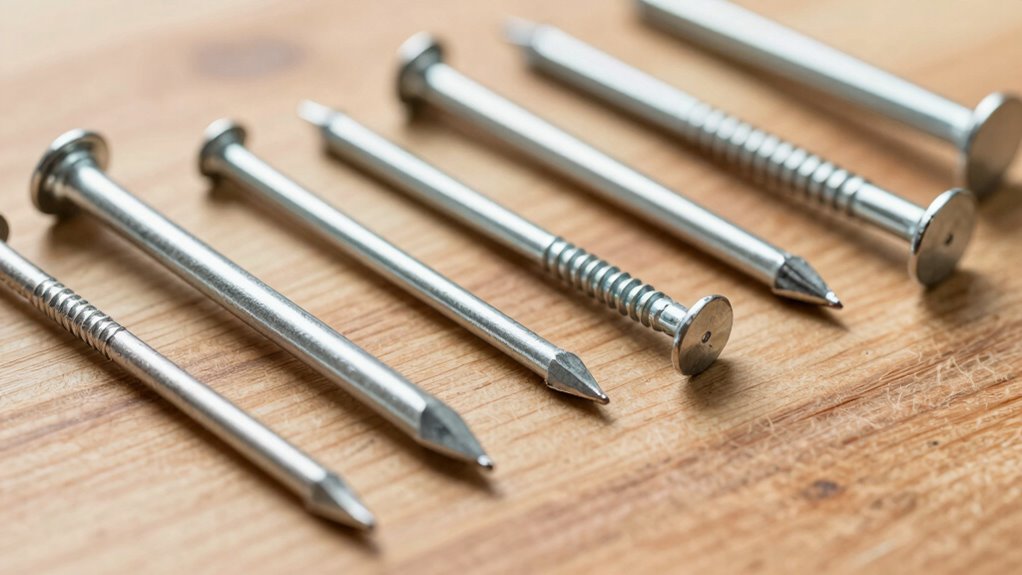
When it comes to framing and finishing projects, understanding nail sizes is essential for ensuring your work is strong and professional-looking. The size of the nails you choose affects the durability of your construction, and selecting the right ones can prevent issues like nail corrosion or weak joints. Nail sizes are typically expressed in gauge and length, with the gauge indicating thickness and the length telling you how long the nail is. For framing, you’ll want larger, thicker nails—usually around 16d or 20d—because they provide the strength needed to hold large components together. Finish carpentry, on the other hand, often calls for smaller nails, like 15 or 16 gauge nails, which are less visible and provide a cleaner appearance. Choosing the correct nail gauge is crucial for achieving the desired balance between strength and appearance. Nail corrosion is a common concern, especially in projects exposed to moisture or outdoor elements. Using nails made from corrosion-resistant materials, such as galvanized or stainless steel, can prolong the life of your structure. Even the best nail size won’t matter if the nails start to rust, as corrosion weakens the hold and can lead to costly repairs down the line. When selecting nails, pay attention to the material—galvanized nails are excellent for outdoor framing, while stainless steel nails are ideal for high-moisture environments or finish work where appearance matters. The material properties of nails also influence their performance, especially in different environmental conditions, helping you make better choices for specific projects. Additionally, understanding nail head styles can help you select the best nail for your application and achieve the desired final look. Different head types serve various purposes. For framing, a classic round head provides a strong hold and is easy to drive in, but it can be more difficult to countersink properly. Clipped head nails offer easier nailing in tight spaces, making them a good choice for dense framing conditions. Finish jobs often benefit from smaller or concealed nail heads, like brad nails, which leave less visible marks and allow for a cleaner, more polished look. Some projects require nails with countersunk heads, so you can hide the nail head beneath the surface, which is especially important for trim or cabinetry. Additionally, understanding nail material properties can help you select the best nails for specific environmental conditions to maximize durability. Being aware of nail length requirements ensures you choose nails that provide sufficient holding power without damaging the material.

Huttig-Grip 3-1/2 in Framing Common Nail 16d Size, Outdoor Galvanized Finish, 1 lb Pack of 47 Nails
For heavy-duty general construction and framing
As an affiliate, we earn on qualifying purchases.
As an affiliate, we earn on qualifying purchases.
Frequently Asked Questions
How Do I Choose the Right Nail Size for My Project?
To choose the right nail size, consider your project’s specific needs. For framing, opt for larger nails with sturdy Nail head types like round or oval to guarantee strength. For finish work, use smaller nails with smooth or small nail heads for a neat look. Nail material options like steel or aluminum also matter—steel offers durability, while aluminum resists rust. Match the nail size, head type, and material to your project’s requirements for the best results.
Are There Safety Tips for Using Different Nail Sizes?
Yes, there are safety tips for using different nail sizes. Always wear protective gear like safety glasses and gloves to prevent injuries from flying nails or splinters. Make sure your nails are the correct size for your tool and material to avoid jams or accidents. Keep your work area clear, and handle nails carefully to prevent punctures or slips. Following these nail safety tips helps keep your project safe and efficient.
Can Nail Size Affect the Durability of My Finished Work?
Nail size directly impacts your project’s durability, like a sturdy backbone holding everything together. Larger nails with a nail head design provide better grip and resist nail corrosion, preventing the work from loosening over time. Smaller nails might bend or pull out, compromising strength. Selecting the right size guarantees your finished work lasts, with fewer chances of structural failure caused by corrosion or weak nail holding power.
What Tools Are Best for Driving Different Nail Sizes?
You should use different tools based on nail size, nail head types, and material options. For larger nails, a framing nailer with adjustable settings works best, while finish nails need a finish nailer for precision. Pinpoint the nail head type—flat, oval, or round—to choose the right tool, and consider nail material options like galvanized or stainless steel for durability. This guarantees proper driving and a professional finish.
How Do Climate Conditions Influence Nail Size Selection?
Climate conditions influence nail size selection through climate adaptation and nail corrosion prevention. In humid or coastal areas, you choose thicker, corrosion-resistant nails to combat moisture and rust. Conversely, in dry, stable climates, lighter nails suffice. Larger nails provide better holding power in windy or extreme weather, while smaller nails suit interior or climate-stable environments. Always adapt your nail choice to the climate to guarantee durability and structural integrity.

meite 16 Gauge Finish Nails 2 Inch Galvanized Straight Finish Nails for Pneumatic Cordless Finish Nailer Gun, Small T-Head Trim Nails for Baseboard Crown Molding Cabinet Casing, 1 Box/2500PCS
Code-Compliant 16 Gauge Finish Nails 1 Box: Each box contains 2,500PCS precision-engineered 16 gauge finish nails 2 Inch(50mm)…
As an affiliate, we earn on qualifying purchases.
As an affiliate, we earn on qualifying purchases.
Conclusion
Understanding nail sizes helps you choose the right fastener for each job, ensuring strength and durability. But beyond the numbers, it’s about trusting your judgment and experience—sometimes, a smaller nail can deliver a big impact, and a larger one might be overkill. The real truth? It’s not just the size that matters, but your ability to select wisely and adapt. When you do, your projects stand the test of time, proving quality over quantity.
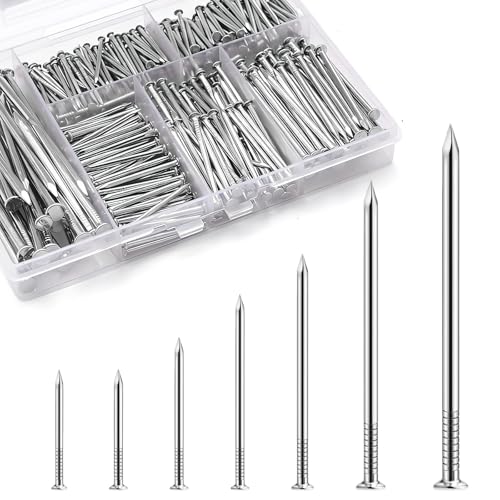
KOAMLY 510 Pcs Hardware Nails Stainless Steel Nails Assortment Kit,7 Sizes Mix Rust-Proof Common Nails for Wood, Fence, Furniture, Crafts & DIY Projects – Practical Fastener Kit Saves Your Time
✅ 7 SIZES & 510 PCS – Includes a practical mix of 7 most-used sizes: 3/4 inch (125pcs),…
As an affiliate, we earn on qualifying purchases.
As an affiliate, we earn on qualifying purchases.

Grip-Rite GRSP10D Clipped Head 3-inch by .120-inch by 30 Degree Paper Tape Collated Vinyl Coated Framing Nail, 2,000 per Box
10d 'Framer' – 3" x .120" – Vinyl Coated, 33° Clipped Head
As an affiliate, we earn on qualifying purchases.
As an affiliate, we earn on qualifying purchases.