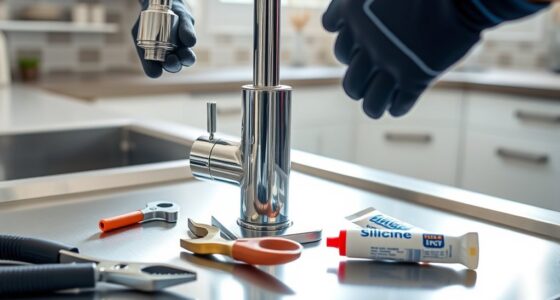
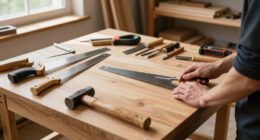
To build a raised garden bed, start by gathering basic tools like a saw, level, drill, and measuring tape. Choose sturdy materials such as cedar or recycled wood, and assemble the frame on a flat surface, ensuring it’s level and secure. Fill it with a mix of soil, compost, and organic matter, then water thoroughly. If you’re interested in detailed steps and tips, there’s plenty more to explore for a successful garden layout.
Key Takeaways
- Select a suitable, sunny location and gather sturdy materials like cedar or recycled wood.
- Assemble the frame ensuring it is level and secure using appropriate tools.
- Fill the bed with prepared soil mix, incorporating compost or organic matter for fertility.
- Install pest prevention measures such as hardware cloth or mulch to protect plants.
- Water thoroughly after filling and regularly maintain soil health for optimal plant growth.

Building a raised garden bed is a practical way to create a designated space for your plants and improve soil conditions. When you start, proper soil preparation is essential to give your plants the best environment for healthy growth. First, clear the area of weeds, grass, and debris. Then, loosen the soil where the bed will sit using a shovel or garden fork. If the existing soil is compacted or poor quality, consider mixing in compost, aged manure, or other organic matter to enhance fertility and drainage. This not only boosts soil nutrients but also helps prevent water from pooling, which can drown roots or lead to disease. Before filling your bed, test the soil’s pH and adjust if necessary, aiming for a slightly acidic to neutral pH of around 6.0 to 7.0. This careful soil preparation guarantees your plants get the nutrients they need and reduces the likelihood of pests and diseases taking hold. Incorporating soil testing techniques can further optimize your soil health and plant growth.
Pest control is another critical factor you shouldn’t overlook during this process. Raised beds naturally help keep pests like slugs, snails, and burrowing insects at bay because they’re elevated from the ground. However, you still need to take extra steps to protect your plants. Consider adding a layer of mulch or straw around your plants to deter pests and retain moisture. Installing hardware cloth or fine mesh fencing around the bed can prevent larger pests like rabbits or cats from disturbing your plants. If pests become a persistent problem, organic solutions like neem oil or introducing beneficial insects such as ladybugs can help control infestations. Remember, healthy, well-prepared soil also plays a role in pest management. Strong, vigorous plants are more resistant to pests and diseases, so investing time in soil prep pays off in the long run.
When you’re ready to assemble your raised bed, choose a sturdy material like cedar, composite, or recycled wood, and position it in a location that gets ample sunlight. Assemble the frame, ensuring it’s level and secure. Once the structure is in place, fill it with your prepared soil mix, making sure to distribute it evenly. Water the bed thoroughly after filling to settle the soil and eliminate air pockets. Throughout the growing season, keep an eye on pests and regularly amend the soil with compost or organic fertilizers to maintain its richness. By focusing on thorough soil preparation and proactive pest control, your raised garden bed will become a thriving, productive space for your plants, giving you a rewarding gardening experience.

Land Guard 3 Pack 8×4×1ft Galvanized Metal Raised Garden Bed, Metal Planter Kit Box Outdoor for Deep-Rooted Vegetables, Flowers, Green and Herbs, Silver
- Large Capacity for Deep-Rooted Plants: Ample space for vegetables and flowers
- Durable and Stable Construction: Double frame and reinforcing rods ensure stability
- Open Bottom Design: Provides drainage, weed control, and pest protection
As an affiliate, we earn on qualifying purchases.
As an affiliate, we earn on qualifying purchases.
Frequently Asked Questions
What Is the Ideal Size for a Beginner’s Raised Garden Bed?
For a beginner’s raised garden bed, aim for dimensions around 4 feet by 4 feet, as this size offers easy access without stepping on the soil. Keep the height between 12 to 18 inches to prevent pests and provide sufficient space for roots. Using these garden bed dimensions aligns with beginner gardening tips, making planting and maintenance manageable while maximizing your growing space.
How Do I Prevent Pests From Accessing My Raised Bed?
To prevent pests from accessing your raised bed, you should use physical barriers like mesh or row covers, which keep bugs and larger pests out. Additionally, incorporate natural repellents such as neem oil or garlic spray around your plants to deter insects naturally. Regularly inspect your garden, remove pests early, and keep the area tidy to minimize hiding spots, ensuring your plants stay healthy and pest-free.
Can I Build a Raised Garden Bed on Uneven Ground?
Did you know that over 80% of garden success depends on proper soil preparation and sun exposure? You can absolutely build a raised garden bed on uneven ground; just level the area as much as possible. Use sturdy materials to create a stable frame, then fill it with quality soil. Make certain the bed gets ideal sun exposure, which is essential for healthy plant growth, even on uneven surfaces.
What Are the Best Materials for Long-Lasting Raised Beds?
The best materials for long-lasting raised beds combine durability and affordability. Treated cedar or redwood wood offers great material durability, resisting rot and pests. If you prefer wood alternatives, consider composite materials or recycled plastic lumber, which also withstand weather and decay longer. These options require less maintenance and guarantee your garden bed stays sturdy over the years, providing a reliable foundation for healthy plants.
How Often Should I Water My Raised Garden Bed?
Imagine your plants thirsting in the sun, their leaves gently wilting. You should water your raised garden bed when the soil moisture drops about an inch below the surface, typically every 2-3 days during hot weather, and less in cooler or rainy periods. Keep a consistent watering schedule, ensuring the soil stays evenly moist, not soggy, to promote healthy roots and vibrant growth.
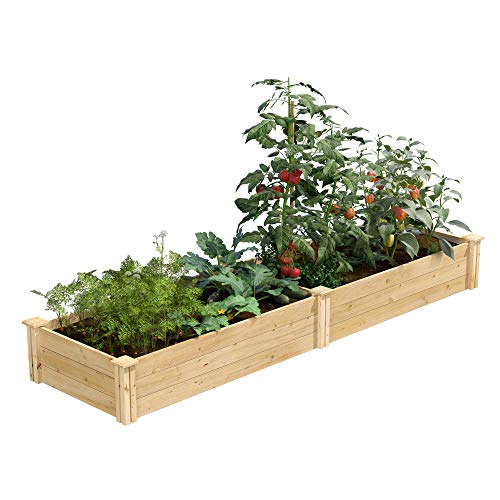
Greenes Fence Classic Cedar Raised Garden Bed, 2' x 8' x 10.5" (1/2" Thick) – Made in USA with North American Cedar
- Material: Made from solid American cedar
- Assembly: Tool-free dovetail corner assembly
- Depth: 10.5-inch deep planting bed
As an affiliate, we earn on qualifying purchases.
As an affiliate, we earn on qualifying purchases.
Conclusion
Now that you’ve learned how to build your raised garden bed, you’re ready to watch your garden flourish like a well-tended masterpiece. With the right tools and a bit of patience, you’ve planted the seeds for a thriving green space. Think of your new bed as a blank canvas—you hold the brush, and your gardening skills will turn it into a vibrant, fruitful masterpiece. Happy gardening, and enjoy watching your plants grow!
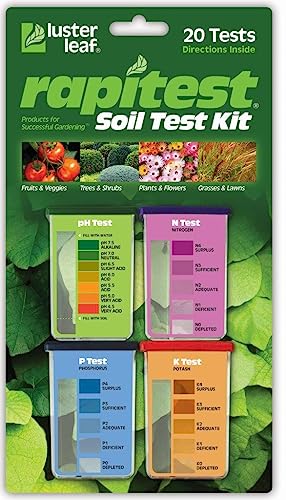
Rapitest Soil Test Kit for Gardens, Vegetables, Flowers and Lawns. USA designed and assembled soil tester completely, quickly and accurately measures/analyzes soil pH acidity and garden nutrients.
- Quick at-home soil testing: Measures pH, Nitrogen, Phosphorous, Potash
- Complete test kit: Includes components for 20 tests
- Multiple testing spots: Tests multiple areas in yard or garden
As an affiliate, we earn on qualifying purchases.
As an affiliate, we earn on qualifying purchases.
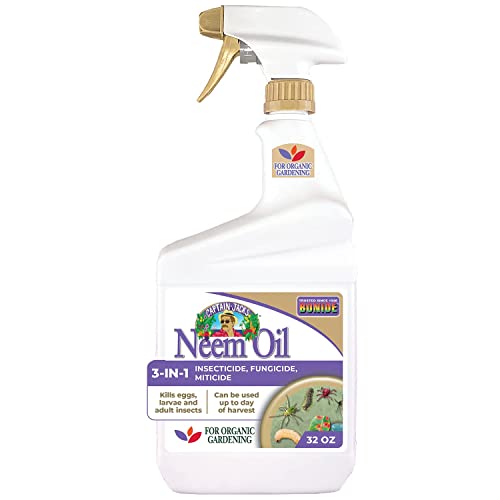
Bonide Captain Jack's Neem Oil, 32 oz Ready-to-Use Spray, Multi-Purpose Fungicide, Insecticide and Miticide for Organic Gardening
- Multi-Purpose Pest Control: Fungicide, miticide, and insecticide in one
- Ready-to-Use Spray: Convenient spray nozzle for easy application
- Kills All Insect Stages: Targets eggs, larvae, and adults
As an affiliate, we earn on qualifying purchases.
As an affiliate, we earn on qualifying purchases.