You can handle many DIY solar panel tasks, like assembling panels, mounting them, and wiring parts for your system. However, connecting your system to the electrical grid and ensuring it meets local codes are tasks best left to professionals. Proper alignment, quality materials, and safety precautions are essential for efficiency and safety. Staying within your skill level can prevent hazards and system issues—continue exploring to discover which steps you can confidently take on your own.
Key Takeaways
- You can build and install solar panels yourself but should avoid electrical grid connection and complex wiring tasks.
- Proper assembly and alignment improve efficiency, which is your responsibility in DIY projects.
- Handling electrical components requires safety precautions; avoid working with high-voltage connections unless qualified.
- Tasks like system connection to the electrical grid and compliance with local codes are best left to professionals.
- Be aware of risks such as shocks, falls, and legal issues; undertake only tasks within your skill and knowledge level.
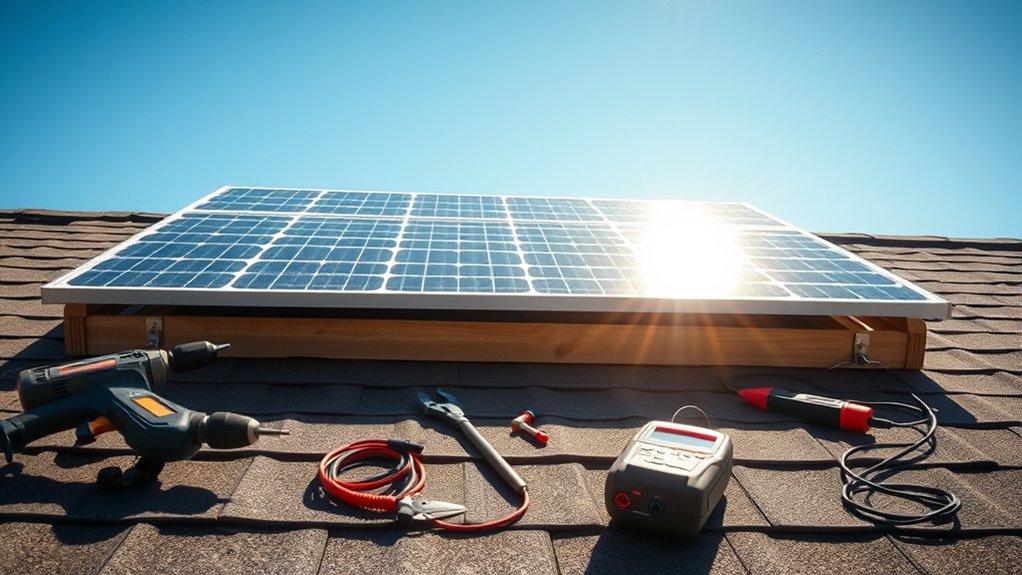
Are you interested in reducing your energy bills and lowering your carbon footprint? If so, exploring DIY solar panel projects might seem appealing. Building your own solar panels can save money and give you a sense of accomplishment, but it’s vital to understand what’s realistically achievable and where to be cautious. When considering a DIY approach, focusing on solar panel efficiency is essential. The efficiency of your panels determines how much sunlight is converted into usable electricity. To maximize efficiency, you’ll need to select quality materials and ensure proper alignment and wiring. Poorly assembled panels can lead to reduced energy output, defeating the purpose of the project. Since solar technology is constantly advancing, doing thorough research and following best practices will help you achieve better efficiency results.
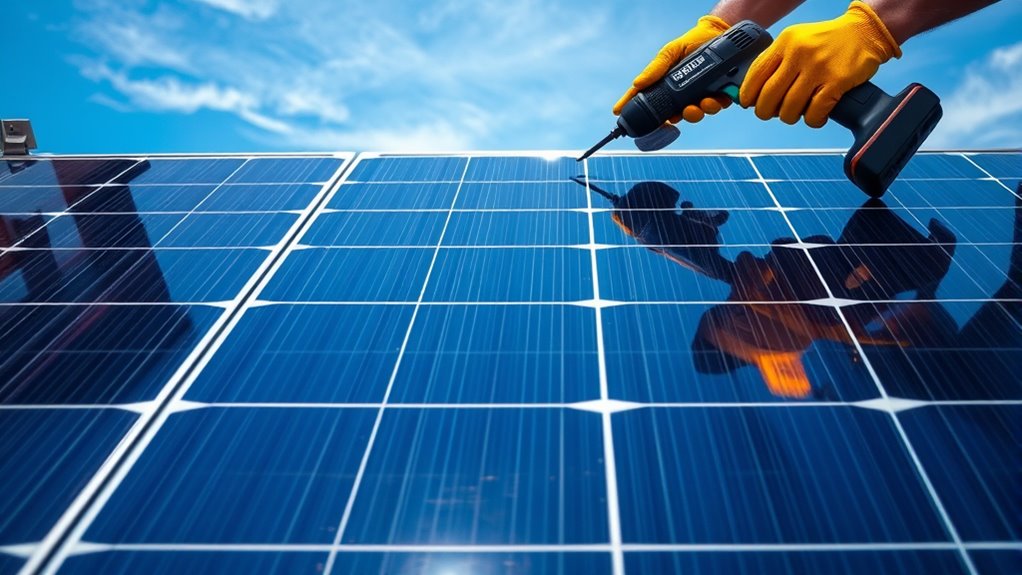
However, one of the most important aspects of a DIY solar project is installation safety. Working with electrical components and heavy equipment presents risks, especially if you lack experience. Always prioritize safety by wearing appropriate gear, such as gloves and eye protection, and working in a well-ventilated, dry environment. When handling wiring or connecting panels, ensure the power is turned off and double-check your connections to prevent shocks or short circuits. Mounting solar panels also involves working at heights, which can be dangerous without proper scaffolding or ladders. If you’re uncomfortable with heights or electrical work, it’s wise to consult or hire professionals for critical steps, like mounting and wiring.
While many parts of a DIY solar panel setup are within reach for a knowledgeable hobbyist, certain tasks are best left to experts. For example, connecting your system to the grid or ensuring compliance with local electrical codes can be complex. Improper installation not only reduces solar panel efficiency but can also pose safety hazards or lead to legal issues. Remember, safety isn’t just about avoiding personal injury; it’s about protecting your home and ensuring your system functions reliably.
Frequently Asked Questions
How Long Does It Take to Install DIY Solar Panels?
You can expect the installation timeline for DIY solar panels to take between one to three days, depending on your experience and the system size. Labor requirements vary; if you’re handy, you might finish quicker, but be prepared for some effort. Proper planning and organization can streamline the process, ensuring you complete the project efficiently. Keep in mind that safety precautions and proper wiring are essential for a successful installation.
Are DIY Solar Panels More Cost-Effective Than Professional Installation?
DIY solar panels often seem like a goldmine for massive cost savings, but they can actually backfire if you underestimate installation complexity. While you might save on labor costs upfront, mistakes could lead to costly repairs or inefficiency. Professional installation guarantees ideal system performance and safety, making it more cost-effective long-term. So, consider whether the potential savings outweigh the risks of tackling such a complex project yourself.
Can I Connect DIY Solar Panels to the Grid Legally?
You can’t connect DIY solar panels to the grid legally without proper approval because of strict legal considerations and safety regulations. Grid connection requires permits, inspections, and adherence to local codes, which DIY setups often lack. To guarantee you’re compliant and safe, it’s best to work with licensed professionals and obtain necessary permits before linking your solar system to the grid. This prevents legal issues and potential safety hazards.
What Tools and Materials Are Essential for Building Solar Panels?
Imagine assembling a puzzle with bright, essential pieces. You’ll need solar panel components like photovoltaic cells, glass covers, and mounting brackets, along with installation tools such as a drill, screwdriver, wire strippers, and a multimeter. These tools help secure components and guarantee proper connections. Gathering quality materials and reliable tools makes your DIY solar project smoother, helping you navigate each step confidently and create a functional, efficient solar panel system.
How Do DIY Solar Panels Perform in Different Weather Conditions?
DIY solar panels can handle various weather conditions, but their weather resilience depends on proper installation and materials. You’ll notice seasonal efficiency fluctuations, with peak performance in sunnier months and reduced output during cloudy or snowy periods. To maximize their durability, make certain your panels are securely mounted, protected from heavy snow or hail, and regularly cleaned. This way, your DIY system stays effective year-round, despite changing weather patterns.
Conclusion
While DIY solar panels can save you money and boost your sustainability efforts, only about 10% of homeowners successfully install them without professional help. Remember, safety and efficiency are key—don’t cut corners. If you’re comfortable with basic electrical work and follow proper procedures, you can definitely give it a try. However, for maximum performance and safety, consulting a professional is often the smartest choice. Harness the sun wisely and enjoy the long-term benefits!