
To upcycle old furniture, you’ll need vital tools like a multi-purpose sander, brushes, clamps, and a paint sprayer for smooth finishes. A quality sander helps remove grime and old paint, while brushes and sprayers apply new finishes evenly. Hand tools such as screwdrivers and wood filler are essential for repairs. Organizing your workspace and choosing the right techniques guarantees professional results. Keep going to discover which tools and methods will make your furniture flip a success.
Key Takeaways
- A quality multi-purpose sander to smooth surfaces and remove old finishes effectively.
- A set of brushes for applying paint, stain, or sealants with precision.
- Basic hand tools like screwdrivers and clamps for repairs and stability.
- A paint sprayer for achieving smooth, even coats quickly and professionally.
- Wood filler for repairing cracks, holes, and structural imperfections.

Have you ever wondered how to turn old, worn-out furniture into stunning, custom pieces? The secret lies in mastering some essential tools and techniques that can breathe new life into tired pieces. Before diving into your project, it’s fundamental to understand restoration techniques and budget planning. These two elements will help you work efficiently, save money, and achieve professional-looking results.
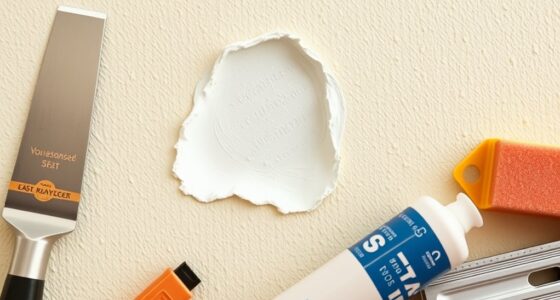
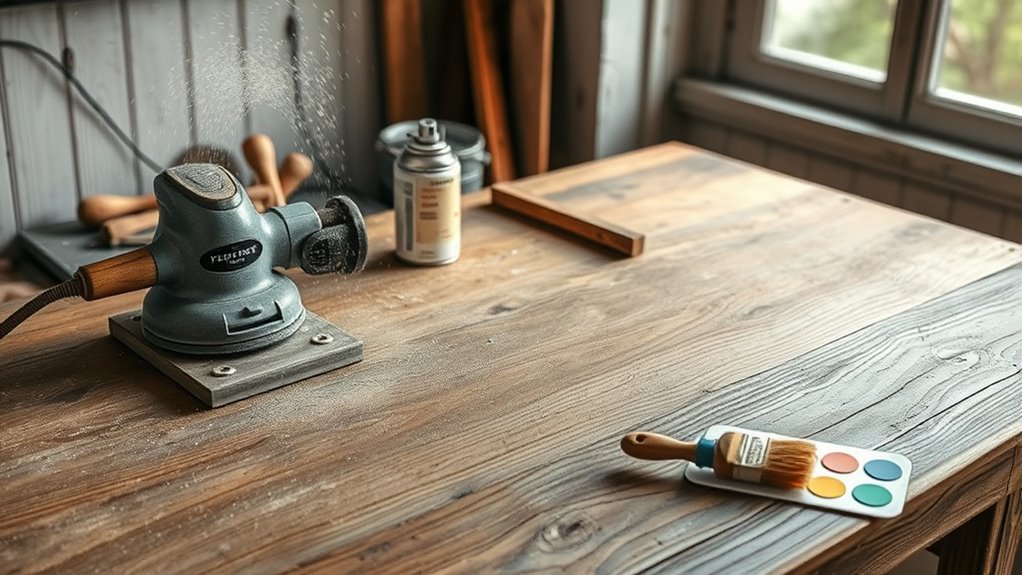
Restoration techniques are the foundation of a successful furniture flip. They include cleaning, sanding, repairing, and refinishing. Start with a thorough cleaning to remove dirt, grime, and old finishes. Then, use a sander or sanding block to smooth the surface, paying attention to details like intricate carvings or corners. Repair any structural issues—tighten loose joints, replace broken parts, or fill cracks with wood filler. Once the piece is sound, you can choose a finish, whether it’s paint, stain, or a natural sealant. Each step demands specific tools: a good quality sander, brushes, clamps, and possibly a paint sprayer for a smooth, even coat. Learning these techniques helps guarantee your project turns out looking polished and professional. Using appropriate restoration techniques ensures durability and a refined appearance for your finished piece.
Budget planning is equally important. You don’t want to overspend on tools or materials and end up losing money on your flip. Start by setting a clear budget, including the cost of the furniture, supplies, and any additional repairs. Focus on versatile tools that can be used for multiple projects—like a multi-purpose sander, a set of brushes, and basic hand tools such as screwdrivers and clamps. Shop sales, buy secondhand tools when possible, and consider borrowing equipment if you don’t plan to use it frequently. Keeping track of expenses and sticking to your budget ensures your project remains profitable. It also helps you decide whether to invest in more advanced tools or stick with basic supplies based on your skill level and goals.
Additionally, having a well-organized workspace saves time and money, preventing you from buying duplicates of tools or materials. As you develop your skills, you’ll learn which restoration techniques produce the best results for different types of furniture. Whether you’re working on a vintage dresser or a dated chair, applying the right methods within your budget will help you craft beautiful, customized pieces that can fetch a good price or serve as unique home decor. Proper planning and technique mastery are key components to a successful furniture flip.
Frequently Asked Questions
What Safety Gear Is Recommended During Furniture Upcycling?
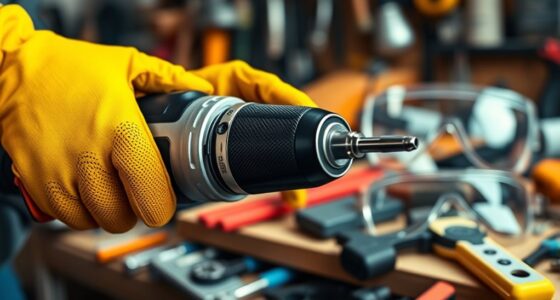
You should always wear the right safety gear during furniture upcycling to safeguard yourself. Safety precautions include using protective equipment like goggles, masks, gloves, and ear protection, especially when sanding, priming, or painting. These items keep dust, fumes, and debris away from your eyes, lungs, and skin. By prioritizing protective equipment, you reduce health risks and ensure a safer, more enjoyable furniture flipping experience.
How Do I Choose the Right Paint for Different Furniture Types?
Choosing the right paint for furniture is like selecting the perfect outfit for an event—you want it to match the occasion. For different furniture types, consider paint finishes; matte for a vintage look, satin for durability, and gloss for a modern shine. Think about the material—wood, metal, or MDF—and pick a paint formulated for that surface. This guarantees your upcycled piece looks great and lasts longer.
Can I Upcycle Furniture Without Prior DIY Experience?
Yes, you can definitely upcycle furniture without prior DIY experience. Start with simple projects and follow DIY beginner tips to build confidence. Use basic tools and learn proper techniques to avoid common upcycling mistakes. Take your time, watch tutorials, and don’t rush. Remember, practice makes perfect. With patience and careful planning, you’ll improve and create beautiful, upcycled furniture even as a beginner.
What Are Eco-Friendly Alternatives to Traditional Finishes?
You can opt for eco-friendly finishes like sustainable varnishes and natural dyes. Sustainable varnishes are made from non-toxic, renewable resources, providing a protective coating without harmful chemicals. Natural dyes, derived from plants and minerals, add color while being eco-conscious. Using these alternatives helps you create beautiful, upcycled furniture that’s safe for the environment and your home, ensuring your project is both stylish and sustainable.
How Do I Fix or Replace Broken Furniture Parts Effectively?
Imagine repairing a broken puzzle piece; you need to fit it back perfectly. To fix or replace broken furniture parts, start with furniture repair techniques like gluing, clamping, or filling cracks. For serious damage, use replacement techniques with matching wood or hardware. Carefully assess the damage, gather the right tools, and work patiently. This approach guarantees your furniture stays sturdy, restoring its original beauty and function seamlessly.
Conclusion
Now that you have the essential tools for your furniture flip, you’re ready to transform old pieces into stunning masterpieces. With a little creativity and these trusty tools, you’ll turn even the most tired furniture into eye-catching showstoppers—furniture that could outshine the stars! Remember, patience and passion are your best friends in this journey. So grab your tools and get ready to create furniture so fabulous, it’ll leave everyone speechless. Happy flipping!