
To replace a damaged fence post with less hassle, start by carefully removing the broken post using a sledgehammer or post puller, especially if it’s set in concrete—break or loosen the footing first. Prepare the site by leveling and clearing the hole, then set the new post straight and plumb, filling the hole with concrete or soil. Let the concrete cure and check stability before finishing. With the right steps, you’ll guarantee a durable fence; keep going to learn more detailed tips.
Prime for Young Adults — start your free trial
Fast free delivery, streaming and member deals for eligible 18–24 year olds.
As an affiliate, we earn on qualifying purchases.
Key Takeaways
- Identify the post material and gather appropriate tools like a post puller or sledgehammer.
- Carefully remove the damaged post, especially if embedded in concrete, using proper breaking tools.
- Prepare the hole by clearing debris, and deepen or refill with gravel or concrete for stability.
- Set the new post straight, plumb, and fill the hole with concrete or compacted soil; allow proper curing.
- Double-check the post’s stability before finishing to ensure a secure, long-lasting repair.

Have you noticed a wobbling or broken fence post in your yard? If so, it’s time to replace it before the damage spreads or the fence becomes unstable. The first step is understanding that the type of fence post materials used can influence how easily you can replace the post and how well it holds up over time. Wooden posts are common, but they can rot or crack, especially if exposed to moisture and varying weather impact. Metal or vinyl posts tend to last longer and resist weather damage better, but they may require different tools and techniques for removal and installation. Knowing what your fence post is made of helps you prepare the right supplies and plan the replacement process efficiently. Additionally, considering weather impact can guide you in selecting the most suitable material for your environment, ensuring longevity and durability. It’s also helpful to understand the typical lifespan of different materials to plan for future replacements.
Weather impact plays a significant role in the deterioration of fence posts. Rain, snow, and humidity can cause wood to rot or warp, while extreme heat can lead to cracking or fading. Wind and storms can also loosen posts, especially if the soil around them has shifted or eroded. When replacing a post, it’s crucial to consider these environmental factors, as they affect how well your new post will perform. For example, if your area experiences heavy rainfall, choosing a treated wood or a weather-resistant material, such as vinyl or composite, provides added durability. Before starting, check the soil conditions and remove any loose or soft earth around the damaged post to create a stable base for your replacement. Using appropriate soil preparation techniques can significantly improve the longevity of your fence.
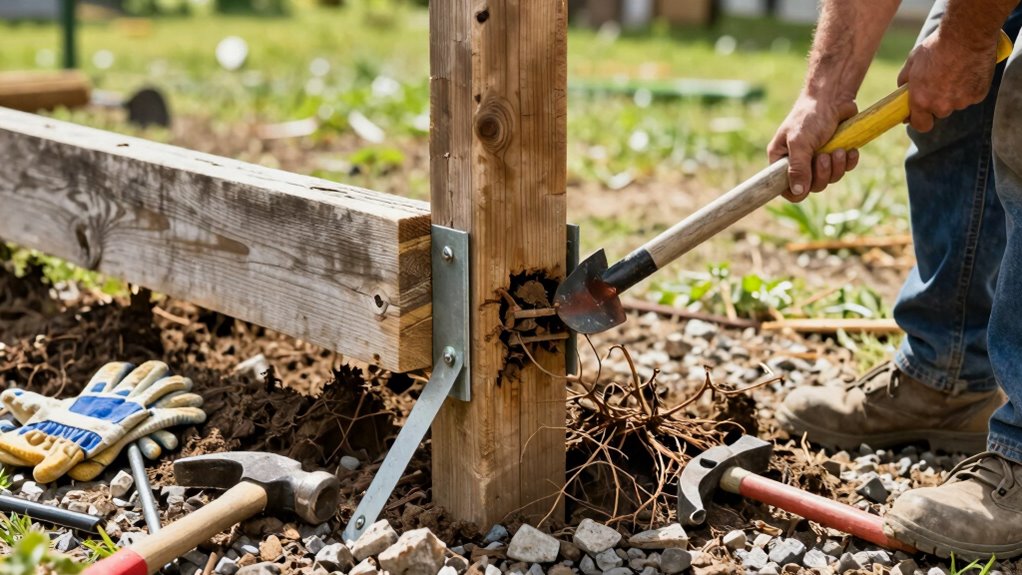
To make the replacement process less hassle, start by carefully removing the damaged post. Use a sledgehammer or post puller to pry it out of the ground, taking care not to disturb neighboring posts. If the post is embedded in concrete, you may need to break up the concrete footing with a chisel or power tool. Once removed, examine the hole. If it’s enlarged or damaged, dig it out deeper or refill it with fresh gravel or concrete to ensure stability. When installing the new post, set it in a straight line, making sure it’s plumb, and fill the hole with concrete or compacted soil, depending on your preference and local weather conditions. It’s also beneficial to consider soil conditions before pouring the concrete or refilling the hole to ensure long-term stability. Allow the concrete to cure properly if used, and check the post’s stability before finishing.
Replacing a fence post doesn’t have to be complicated. By understanding your fence post materials and considering the weather impact, you can choose the right approach and materials for your environment. Taking the time to prepare and install your new post correctly ensures your fence remains strong and secure for years to come. With a little effort, you’ll have your fence looking good and functioning properly again, with less hassle and more confidence in its durability.
As an affiliate, we earn on qualifying purchases.
Frequently Asked Questions
What Tools Are Essential for Replacing a Fence Post?
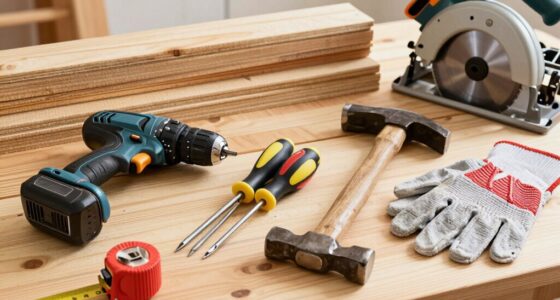
You’ll need essential tools like a post hole digger or an auger for efficient digging, a sledgehammer for removing the damaged post, and a level to guarantee your new fence post is straight. Depending on your fence post materials, you might also use a saw. Post replacement methods vary, but having these tools makes the process smoother, allowing you to replace fence posts quickly and securely.
How Long Does the Replacement Process Typically Take?
Replacing a fence post usually takes a few hours, depending on post stability and soil preparation. You’ll want to loosen the surrounding soil, remove the damaged post, and set the new one firmly in place. If the soil is loose or rocky, it might take longer. With steady hands and proper tools, you’ll find the process flows smoothly—almost like restoring a broken chapter in a familiar story.
Can I Replace a Fence Post Without Removing the Existing Post?
You can replace a fence post without removing the existing one by installing a new post next to it, especially with decorative fencing that can cleverly hide the joint. You might also stain the new post to match the old, ensuring consistency. Just make sure to secure the new post properly and check if the existing one is stable; this way, you avoid damaging your fence or needing complete removal.
What Safety Precautions Should I Follow During Replacement?
Think of safety gear like your armor when replacing a fence post. You should always wear gloves, eye protection, and sturdy boots to shield yourself from hazards like sharp tools or falling debris. Stay aware of your surroundings, especially when working with power tools or in tight spaces. Remember, hazard awareness keeps accidents at bay, ensuring your fence repair is safe and successful. Prioritize safety every step of the way.
How Do I Prevent Future Fence Post Damage?
To prevent future fence post damage, focus on regular fence maintenance, like inspecting for signs of rot or instability. Guarantee proper drainage around posts to avoid water damage. Use pest prevention techniques, such as treating wood with preservatives or installing barriers against termites and rodents. Additionally, choose durable materials suited for your climate, and avoid planting invasive roots nearby that could destabilize the posts over time.
As an affiliate, we earn on qualifying purchases.
Conclusion
Replacing a damaged fence post might seem intimidating, but with patience, proper tools, and a clear plan, you can restore your fence’s strength and beauty. Embrace the process, learn from each step, and take pride in your work. Repairing your fence isn’t just about fixing a post—it’s about reinforcing your space, reclaiming your outdoor sanctuary, and preserving your home’s value. With each nail, each post, you’re building more than a fence—you’re building peace of mind.
wooden fence post replacement kit
As an affiliate, we earn on qualifying purchases.
As an affiliate, we earn on qualifying purchases.
As an affiliate, we earn on qualifying purchases.
Fall yard work Picks
leaf blowers
As an affiliate, we earn on qualifying purchases.