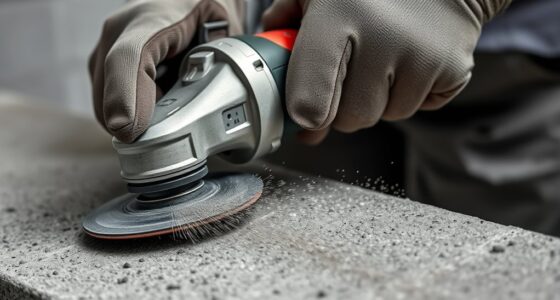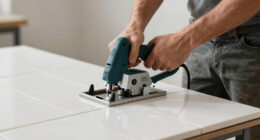
If you’re cutting tiles yourself, a wet saw is best for straight, precise cuts on large projects, while an angle grinder offers more flexibility for curves and detailed work. The wet saw reduces dust and minimizes chipping, making it safer and faster for big jobs. The angle grinder is portable and handy for tight spots but creates more dust and needs careful handling. Keep in mind which tool suits your project—more tips await if you keep exploring.
Key Takeaways
- Wet saws excel at straight, precise cuts ideal for large tile projects, reducing chipping and dust.
- Angle grinders are more versatile for curved, detailed cuts and work in tight or awkward spaces.
- For DIY beginners, a wet saw offers easier, cleaner results with minimal skill required.
- Angle grinders require careful handling and safety precautions but provide greater portability and flexibility.
- Choose a wet saw for large, straight cuts; opt for an angle grinder for curved or intricate tile work.

Cutting tiles yourself can save you time and money, but it requires the right tools and techniques to get clean, precise results. When it comes to choosing between a wet saw and an angle grinder, understanding their differences is key to making the best decision for your project. Both tools demand proper tile safety practices to prevent accidents, so always wear safety goggles, gloves, and a dust mask, regardless of which option you pick. Knowing the proper cutting techniques for each tool will help you achieve smooth, accurate cuts while minimizing the risk of chipping or breaking tiles.
Cutting tiles safely with proper tools and techniques ensures professional results and prevents accidents.
A wet saw uses a rotating blade cooled by water, making it ideal for straight cuts and larger projects. It offers precision, especially when cutting large tiles or multiple pieces, because you can set the tile on the sliding table and guide it steadily through the blade. The water reduces dust and keeps the blade cool, which prolongs its life and ensures cleaner cuts. To ensure tile safety, always secure the tile firmly and use a slow, steady motion—rushing can cause cracks or uneven edges. Cutting techniques with a wet saw involve marking your cut line clearly and making smooth, continuous passes without forcing the tile through. This minimizes chipping and gives you a professional finish. Additionally, using a stable work surface can enhance accuracy and safety during cutting.
In contrast, an angle grinder is more versatile and portable, making it suitable for detailed cuts, curves, or working in tight spaces. It’s a handheld tool that allows you to cut, grind, or shape tiles on-site. Because it’s less bulky than a wet saw, you can maneuver it easily around corners or irregular shapes. However, cutting techniques with an angle grinder require extra caution; since it produces a lot of dust, ensure your workspace is well-ventilated, and always wear tile safety gear. When making cuts, use a diamond blade designed for tile, and cut slowly with controlled movements, supporting the tile securely to prevent slipping or chipping. The key to successful cuts with an angle grinder is patience and steady hands, especially when making intricate or curved cuts.
Both tools have their strengths and safety considerations. If you’re working on large, straight cuts and want precision with minimal dust, a wet saw is generally the better choice. But if your project involves detailed or curved cuts, and you need portability, an angle grinder is more flexible. Whichever tool you choose, mastering proper cutting techniques and prioritizing tile safety will give you the best results. With patience and the right approach, you’ll be able to cut tiles cleanly and confidently, saving money and achieving a professional-looking finish. Remember, understanding the differences in tools can significantly impact your project’s success and safety.

DEWALT Wet Tile Saw with Stand, 10 Inch, 15-Amp, 1,220 MWO, Corded (D36000S)
Cutline indicator, rigid frame, and stainless-steel rollers provide cutting accuracy to within 1/32 in. over 30 in. cuts
As an affiliate, we earn on qualifying purchases.
Frequently Asked Questions
Can I Use a Standard Power Drill to Cut Tiles?
You can’t effectively cut tiles with a standard power drill alone because of its limitations in handling tough materials. While you can use a drill with specialized tile drill bits for making holes or small cuts, it’s not suitable for precise or large cuts. Power drills lack the power and stability needed for straight, clean cuts, so for that, you should consider a wet saw or angle grinder instead.
How Do I Prevent Chipping When Cutting Tiles?
You can prevent chipping by using a sharp, high-quality blade since dull blades increase tile cracking. Always score the tile lightly before making the cut to create a clean break. Keep your blade at the right speed, and don’t force the cut—let the tool do the work. Using water or coolant also helps reduce heat and prevents chipping, ensuring a smooth, professional finish.
What Safety Gear Is Recommended for Tile Cutting?
You should wear protective gloves and eye protection whenever you cut tiles. Gloves help prevent cuts and protect your hands from sharp edges and debris, while safety goggles or glasses shield your eyes from flying dust and tile shards. Always make certain your safety gear fits well and is suitable for the job. Using proper safety equipment not only keeps you safe but also makes your work more precise and confident.
How Long Does a Typical Tile Cut Take?
Your tile cutting speed depends on the tool and tile type, but typically, a straight cut takes about 1 to 3 minutes. For more complex cuts, like curves or notches, it might take 5 to 10 minutes. Cutting time estimates vary based on tile size and thickness. With proper setup and safety gear, you’ll find that your tile cuts become quicker and more precise, making your project flow smoothly.
Are There Specific Tile Types Better Suited for Each Tool?
You’ll find that ceramic tiles cut well with either tool, but a wet saw offers cleaner, straighter cuts, especially for porcelain or glass tiles. For stone or thicker porcelain, an angle grinder is more versatile and easier to handle. Glass tiles are fragile, so a wet saw reduces chipping, while stone tiles benefit from the grinder’s control. Choose based on tile material and the precision you need.
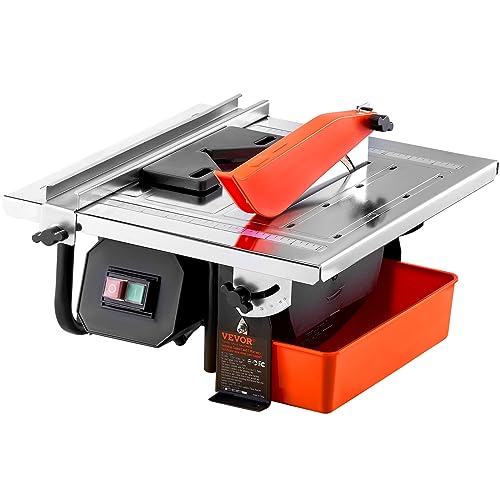
VEVOR 7-inch 65Mn Steel Blade, Wet Tile Saw, 3500 RPM Induction Motor, Tile Cutter Wet Saw with Water Reservoir, 0-45 Degrees Miter Angle for Cutting Tiles and Stones, for DIY Enthusiasts
0-45° Angle and Deep Cutting: The VEVOR wet tile saw provides adjustable cutting angles from 0 to 45...
As an affiliate, we earn on qualifying purchases.
Conclusion
Just like Da Vinci’s mastery with tools, choosing the right saw turns your tile project into art. Whether you opt for the precision of a wet saw or the versatility of an angle grinder, remember that your hands hold the brush. Trust your instincts, prepare properly, and you’ll create a masterpiece. In the end, it’s not just about cutting tiles — it’s about crafting your own masterpiece, one precise cut at a time.

PORTER-CABLE Tile Saw, Wet Saw with 7-inch Cutting Capacity and On-Board Cutting Guide (PCE980)
Onboard miter square to help line up miter cuts and repeatable rip cuts
As an affiliate, we earn on qualifying purchases.
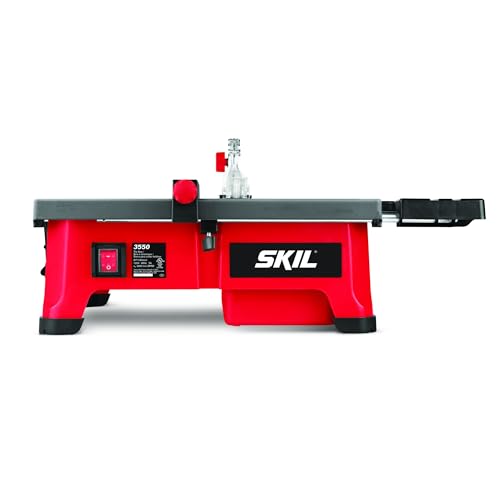
Skil 3550-02 7-Inch Wet Tile Saw with HydroLock Water Containment System
Hydro lock water containment system keeps water contained near the blade and reduce clean-up time
As an affiliate, we earn on qualifying purchases.