
Choosing the right jigsaw blade depends on understanding blade materials, tooth configurations, and the material you’re cutting. For soft woods and plastics, use bi-metal blades with medium teeth; for tougher materials like metal or tile, opt for carbide-tipped blades with fewer teeth. Higher TPI blades give cleaner finishes, while lower TPI blades cut faster. If you want smoother, more precise results, making the right choice is key—here’s what you need to know to get started.
Listen free for 30 days with Audible
Thousands of audiobooks and originals — cancel anytime.
As an affiliate, we earn on qualifying purchases.
Key Takeaways
- Match blade material (bi-metal, carbide-tipped) to the material being cut for durability and clean results.
- Use high TPI blades for fine, detailed cuts; low TPI blades are better for rough, quick cuts.
- Select blades with specific tooth configurations to reduce splintering and improve cut quality.
- Choose durable blades like carbide-tipped for tough materials such as tile and hardwoods.
- Always align blade type and tooth setup with your material and project needs for optimal performance.
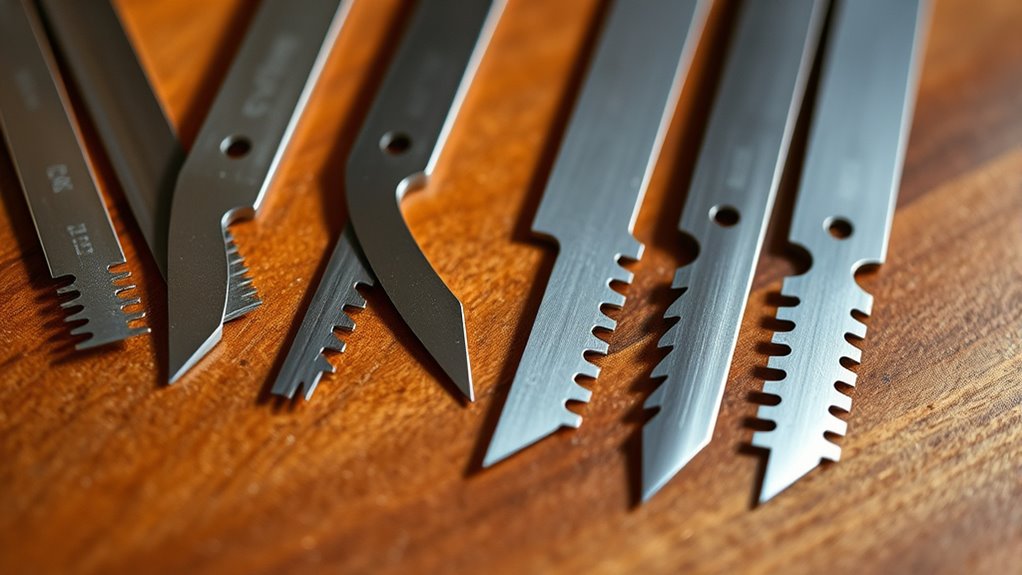
Choosing the right jigsaw blade is essential for achieving clean, precise cuts on different materials. One of the key factors that influence a blade’s performance is its blade material. The most common options include high-carbon steel, bi-metal, and carbide-tipped blades. High-carbon steel blades are affordable and flexible, making them suitable for soft woods and plastics. However, they tend to dull quickly when used on harder materials. Bi-metal blades combine high-speed steel edges with flexible steel bodies, offering durability and versatility. They’re excellent for cutting through metals like aluminum and thin steel sheets without wearing out rapidly. Carbide-tipped blades, though more expensive, excel at cutting through tough materials such as ceramic tile, dense hardwoods, and composites. They maintain their sharpness longer and produce cleaner cuts, especially in demanding applications.
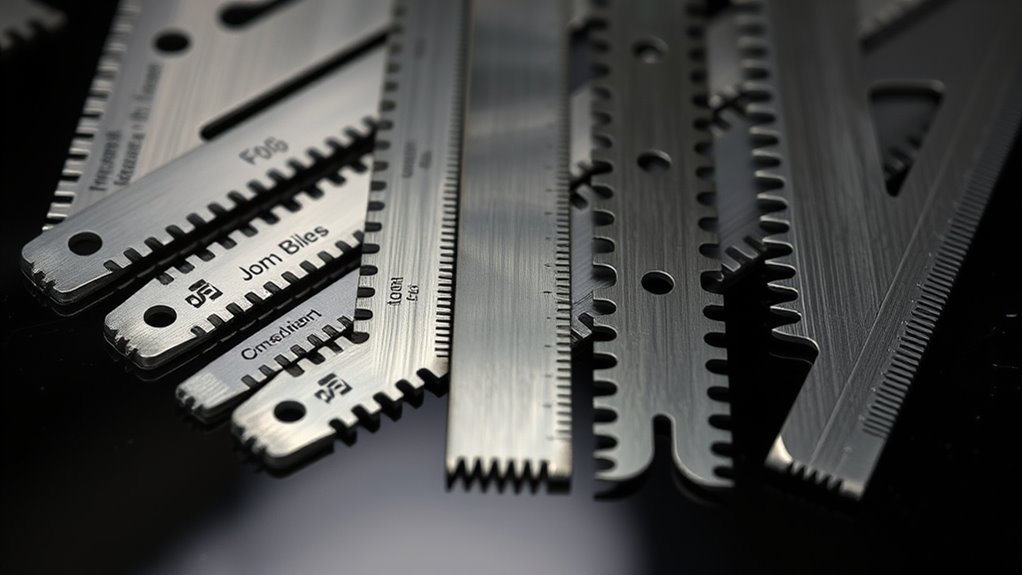
In addition to blade material, tooth configurations play a *vital* role in determining the quality of your cut. The tooth design affects how aggressively the blade cuts, how smooth the finish is, and how quickly the material is removed. Blades with a high tooth count—say, 10 to 24 teeth per inch—are ideal for fine, detailed cuts and smooth finishes on delicate materials like veneer or thin sheet metal. In contrast, blades with fewer teeth per inch, such as 3 to 6 TPI, are better suited for rough cuts and fast material removal in thicker, tougher materials like plywood or hardwoods. The shape of the teeth also matters; for example, a blade with reverse-tension teeth helps reduce splintering and produces cleaner edges, especially when working on veneer or laminate.
Choosing the right combination of blade material and tooth configuration depends on the material you’re cutting and the desired finish. For soft woods and plastics, a bi-metal blade with a medium tooth count strikes a good balance between speed and quality. When working with metal, opt for a bi-metal or carbide-tipped blade with a lower TPI for cleaner cuts and longer lifespan. For dense hardwoods or tiles, a carbide-tipped blade with a coarse tooth configuration will deliver the best results. Remember, using the correct blade for the specific task not only improves your cut quality but also extends the life of your blades, saving you time and money in the long run.
bi-metal jigsaw blades for wood and plastic
As an affiliate, we earn on qualifying purchases.
As an affiliate, we earn on qualifying purchases.
Frequently Asked Questions
Can I Use a Metal Blade on Wood?
You can use a metal blade on wood, but it’s not ideal due to blade compatibility and material limitations. Metal blades are designed for cutting softer or harder metals, so they may wear out quickly or not cut effectively through wood. For the best results, choose a blade specifically made for wood, ensuring you follow the manufacturer’s recommendations to avoid damaging your tool or compromising your cut quality.
How Often Should I Replace My Jigsaw Blades?
You should replace your jigsaw blades when you notice decreased blade longevity or when they start to wobble or cut unevenly. Typically, blades last for several projects, but frequent use or cutting tough materials may require more frequent replacement. Keep an eye on the blade’s performance, and don’t hesitate to swap it out to guarantee clean cuts and safe operation. Regular replacement maintains ideal cutting efficiency and prolongs your tool’s life.
Are There Blades for Cutting Tile or Glass?
Like a knight in shining armor, you can find blades for cutting tile or glass. Diamond blades are perfect for tile, offering precise, clean cuts without chipping. For glass, use specialized glass cutting blades that provide smooth, controlled cuts. Always make certain you select the right blade size and type. These blades help you work efficiently and safely, whether you’re tackling a home project or a professional job.
What’s the Best Blade for Curved Cuts?
For curved cuts, you should choose a blade with high blade flexibility and a fine tooth design. The flexible blade allows you to easily maneuver around curves without breaking, while the fine teeth provide smooth, precise cuts. Look for blades labeled specifically for detailed or curved work, often featuring narrower, more flexible blades with closely spaced teeth. This combination helps you achieve accurate, clean curves effortlessly.
Can I Use a Hacksaw Blade in a Jigsaw?
You can use a hacksaw blade in a jigsaw, but make sure to verify blade compatibility first. Hacksaw blades are typically designed for manual use, so they might not fit securely or operate smoothly in a power tool. Always follow safety precautions, such as wearing eye protection and ensuring the blade is properly installed. Using the right blade for your jigsaw ensures safe operation and better cutting performance.
carbide-tipped jigsaw blades for tile and hardwood
As an affiliate, we earn on qualifying purchases.
As an affiliate, we earn on qualifying purchases.
Conclusion
Now that you know the different jigsaw blade types, you’re better equipped to pick the perfect one for your project. Remember, choosing the right blade can make all the difference and turn a tricky job into a walk in the park. Don’t let the wrong blade throw you off — with a little knowledge, you can cut through your materials like a hot knife through butter. Stay sharp and keep those cuts precise!
high TPI jigsaw blades for fine cuts
As an affiliate, we earn on qualifying purchases.
As an affiliate, we earn on qualifying purchases.
low TPI jigsaw blades for rough cuts
As an affiliate, we earn on qualifying purchases.
As an affiliate, we earn on qualifying purchases.
NFL season / tailgating Picks
team gear
As an affiliate, we earn on qualifying purchases.