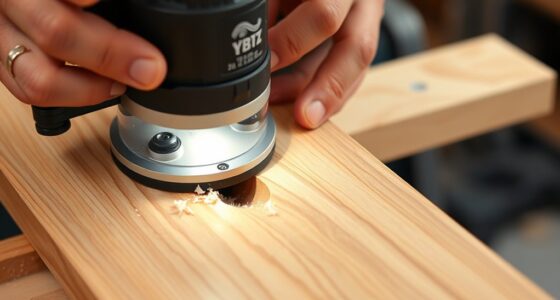
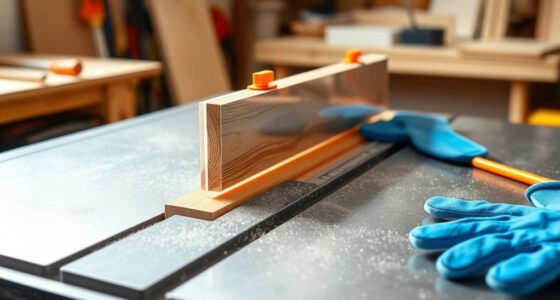
A variable speed tool lets you control how fast your drill or sander operates, giving you flexibility for different tasks. With adjustable speeds, you can match the tool’s power to the material you’re working on, enhancing precision and reducing risks like overheating or bit binding. This control helps improve your work quality and safety. Keep exploring to discover how mastering this feature can make your projects easier and more efficient.
Key Takeaways
- Variable speed tools allow users to adjust the operating speed for different tasks and materials.
- They improve work precision and quality by enabling real-time speed control.
- Adjustable speeds help prevent overheating, bit binding, and material damage.
- These tools enhance safety by reducing kickbacks, slips, and breakages.
- Mastering speed control leads to better results and a more efficient, safer working experience.
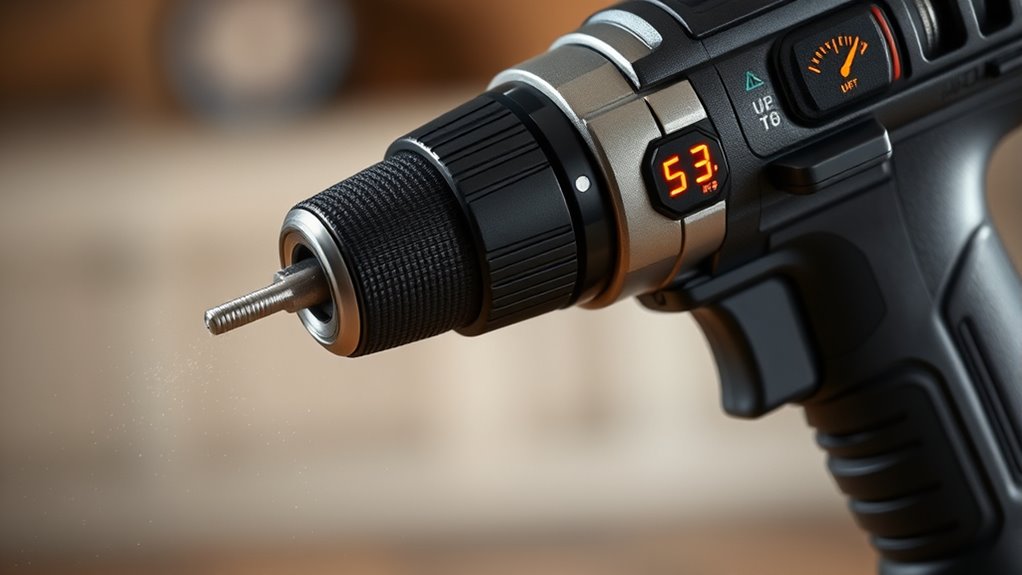
Variable speed tools are essential for anyone looking to work efficiently and safely with different materials. They give you the ability to adjust the tool’s speed according to the task at hand, which can make a significant difference in both the quality of your work and your safety. When using drills, sanders, or other power tools, controlling the motor’s speed allows for better precision and reduces the risk of mishaps. This control is especially important when working with delicate materials or tasks that require a gentle touch, as it prevents overdriving or damaging the workpiece.
The core of a variable speed tool’s functionality lies in its motor control system. Unlike fixed-speed tools, which operate at a set rate regardless of the task, variable speed models utilize sophisticated motor control mechanisms. These systems adjust the power delivered to the motor, enabling you to fine-tune the speed in real-time. Whether you’re drilling into hardwood, softwood, or metal, you can dial the speed down for finesse or ramp it up for fast material removal. This adaptability ensures that you’re working at your best for each specific application, improving both efficiency and finish quality.
Beyond performance, user safety is a key benefit of variable speed tools. When you can control the speed, you reduce the chances of kickbacks, slips, or breakages that can happen when a tool runs too fast or too slow for a given task. For example, when sanding or polishing, a slower speed minimizes heat buildup and prevents the workpiece from catching or splintering. Similarly, with drilling, adjusting the speed helps prevent the bit from binding or breaking, which can cause injury. Having that level of control not only protects you but also prolongs the life of your tools and materials.
Adjusting the speed is generally straightforward, often through a dial or trigger that responds to your grip pressure. Some models even feature electronic controls that allow for precise, incremental changes. This real-time motor control means you can switch from high-speed to low-speed without stopping your work, maintaining momentum and efficiency. Whether you’re a seasoned professional or a DIY enthusiast, mastering the use of variable speed tools helps you execute tasks with greater accuracy, less frustration, and more safety. Furthermore, understanding the importance of color accuracy in your tools ensures that your work meets professional standards and provides a better final result.
Frequently Asked Questions
Can I Use a Variable Speed Tool for Precision Woodworking?
Yes, you can use a variable speed tool for precision woodworking. Its adjustable speed gives you better control over the tool’s power, allowing for precision control on delicate or detailed tasks. Just guarantee you’re using the right settings for your specific material compatibility, like softer woods or fine finishes. This way, you maintain accuracy and avoid damaging your workpiece, making your woodworking projects more precise and professional-looking.
How Does Variable Speed Affect Tool Battery Life?
When you dial down the speed, your tool conserves battery efficiency, extending your worktime. Adjusting the speed helps you manage power better, preventing unnecessary drain during lighter tasks. This precise power management means your battery lasts longer, so you can finish your project without constantly searching for a charger. By using variable speed thoughtfully, you optimize your tool’s performance while preserving battery life, making every charge count.
Are Variable Speed Tools Suitable for Outdoor Use?
Yes, variable speed tools are suitable for outdoor use, especially if they feature outdoor durability and weather resistance. You can confidently use them in various weather conditions, as their adjustable speeds help you handle different tasks efficiently. Just make certain the tool’s housing is weather-resistant, and use protective covers when needed. This way, your variable speed tool remains reliable and durable, even in challenging outdoor environments.
What Safety Precautions Are Necessary With Variable Speed Tools?
Think of safety as your trusty shield. Always wear appropriate safety gear like goggles, gloves, and ear protection. Use proper handling techniques, keeping a firm grip and controlling the tool’s speed. Never work in wet or damp conditions, and stay alert. Before starting, read the user manual. These precautions help prevent accidents, especially since variable speed tools can be powerful and unpredictable if mishandled.
Can I Retrofit a Fixed Speed Drill to Be Variable Speed?
You can retrofit a fixed speed drill for variable speed control, but it depends on your motor type. For brushed motors, installing a variable resistor or electronic speed control module works well. However, for brushless motors, you’ll need more specialized components, like a compatible electronic speed controller (ESC). Keep in mind, retrofitting may require some technical skills, so verify you understand your drill’s motor type and the necessary components before starting.
Conclusion
Understanding variable speed tools helps you work more efficiently and safely. Imagine you’re sanding a delicate surface—using the right speed prevents damage and gives a smooth finish. For example, a DIYer adjusting their sander’s speed for different materials saved time and avoided mistakes. So, next time you pick up a drill or sander, remember that controlling the speed isn’t just a feature—it’s your secret weapon for better results.