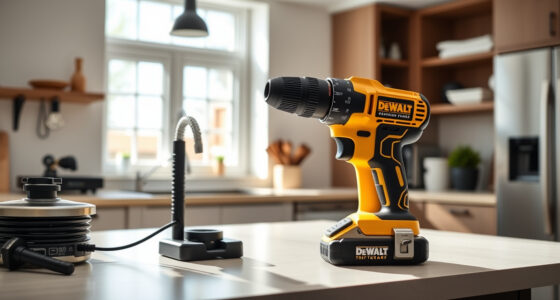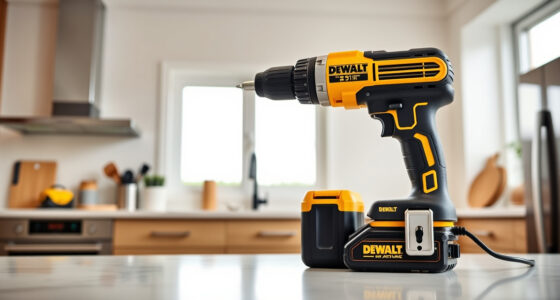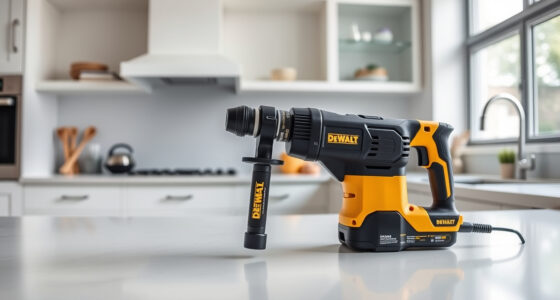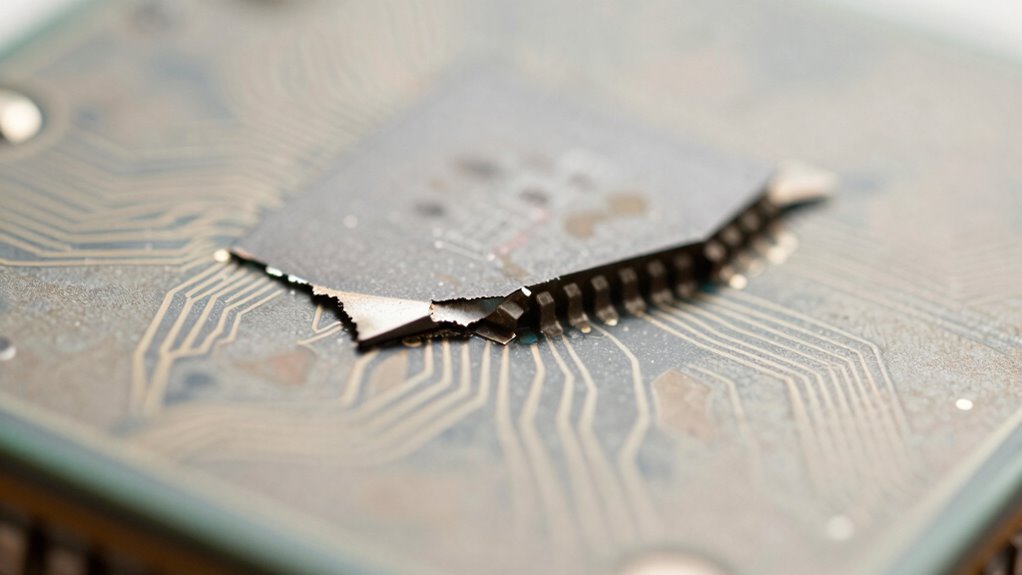

Bit breakage happens when you use dull, worn, or incompatible tools on hard materials, especially if you apply too much force or drill at the wrong speed. Poorly maintained tools, incorrect technique, or unstable workpieces also increase the risk. To avoid this, keep your tools sharp and well-maintained, select the right bit for the material, and use steady, controlled motions. You’ll discover more tips to prevent breakage and extend your tools’ life as you continue.

Get business pricing on tools and workshop supplies
- Business-only prices and quantity discounts
- Tax-exempt purchasing
- Multiple users, one account, clear invoices
Key Takeaways
- Using improper tools or materials that don’t match the workpiece increases stress and risk of breakage.
- Applying excessive force or improper drilling techniques causes undue stress on bits.
- Lack of regular maintenance leads to dull or damaged bits, increasing breakage risk.
- Incorrect equipment calibration and inconsistent parameters reduce bit lifespan.
- Poor workpiece stability and vibrations can cause side loads, leading to bit failure.
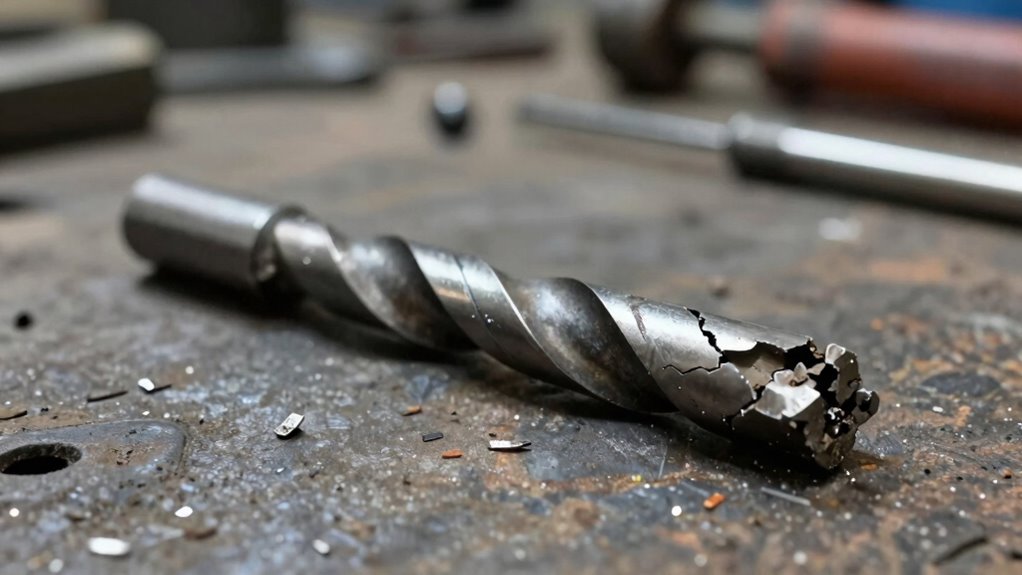
Bit breakage is a common issue that can disrupt your drilling or machining projects, often caused by a combination of material, equipment, and technique factors. One key aspect to preventing breakage is proper tool maintenance. Regularly inspecting your bits for signs of wear or damage guarantees you catch problems early before they cause a break. Dull or chipped bits require more force to operate, increasing stress on the tool and raising the risk of failure. Keeping your tools sharp, clean, and well-maintained reduces unnecessary strain, allowing you to work more efficiently and safely.
Material hardness plays a significant role in bit durability. When you work with harder materials, the stress on your bits intensifies, making breakage more likely if the tools aren’t suited for the task. Using bits specifically designed for hard materials, like carbide-tipped or diamond-coated tools, can make a big difference. These materials are more resistant to breakage because they can withstand higher forces without fracturing. Conversely, trying to drill or cut very hard materials with bits meant for softer materials will inevitably lead to early failure. Always select the right bit for the job, taking into account the material’s hardness, to prevent unnecessary stress that could cause breakage.
Another factor to think about is your technique. Applying excessive force or rushing through a task puts undue stress on the bit, increasing the chance of breakage. Instead, let the tool do the work by maintaining a steady, controlled feed rate. Use proper drilling speeds; too high or too low a speed can cause uneven wear and weaken the bit. Additionally, avoiding sudden impacts or side loads helps preserve the integrity of your tools. Proper technique not only extends the life of your bits but also enhances safety and precision. Recognizing the importance of equipment calibration can further prevent mishaps and ensure optimal performance during your projects. Maintaining consistent cutting parameters is essential for maximizing the lifespan of your bits and ensuring successful outcomes. Regularly considering bit material compatibility can also contribute significantly to avoiding breakage and improving efficiency. Moreover, understanding and adjusting for workpiece stability can help reduce vibrations that lead to premature tool failure.
carbide drill bits for hard materials
As an affiliate, we earn on qualifying purchases.
As an affiliate, we earn on qualifying purchases.
Frequently Asked Questions
Can Improper Storage Lead to Bit Breakage?
Yes, improper storage can lead to bit breakage. Poor storage conditions, like exposure to moisture, cause bit corrosion, weakening the material. When you store bits in humid or uncontrolled environments, they become more brittle and prone to breaking during use. To prevent this, keep your bits in a dry, cool place, and consider using protective cases or coatings. Proper storage extends the life of your tools and reduces breakage risks.
Does Drilling Speed Affect Bit Durability?
Drilling speed definitely impacts your bit’s durability. Going too fast, especially without proper drilling technique, increases heat and stress, leading to breakage. Maintain a consistent, moderate drilling speed, and use tool lubrication to reduce friction. These practices help dissipate heat and minimize wear, ensuring your bit lasts longer. By balancing drilling speed with proper technique and lubrication, you’ll prevent premature bit failure and improve overall drilling performance.
Are Certain Materials More Likely to Break Bits?
Certain materials are more likely to break bits due to their material properties, such as hardness and toughness. Harder materials can cause more stress on your bit, increasing the risk of breakage. Additionally, manufacturing defects like cracks or weak spots can make bits more vulnerable when drilling through these materials. To reduce breakage, choose the right bit for the material and inspect your tools for defects before use.
How Does Temperature Impact Bit Strength?
Temperature markedly impacts bit strength by affecting the bit material. As temperatures rise, thermal expansion occurs, causing the material to weaken and become more prone to breakage. Conversely, extreme cold can make the material brittle. To avoid this, you should select bits designed for high-temperature environments and avoid prolonged exposure to temperature fluctuations, which can accelerate wear and increase the risk of breakage. Proper cooling and material choice are key.
What Are Signs of an Impending Bit Failure?
You’ll notice signs of impending bit failure through increased bit wear, such as dullness or chipping, and tool fatigue, which causes unusual vibrations or frequent stalls. If your bit heats up excessively or requires more force to drill, these are clear indicators it’s nearing failure. Keep an eye on these signs, and replace your bit promptly to prevent sudden breakage that could lead to costly damage or downtime.
As an affiliate, we earn on qualifying purchases.
Conclusion
Think of your drill bit as a delicate arrow soaring toward its target. If you ignore the wind and obstacles—like too much force or wrong materials—you risk breaking mid-flight. But if you steer carefully, choosing the right bit for the job and applying steady pressure, your arrow will hit its mark effortlessly. Treat your bits like precious arrows, and you’ll always hit your target without breakage, ensuring every project is a success story in the making.
bit maintenance and sharpening kit
As an affiliate, we earn on qualifying purchases.
As an affiliate, we earn on qualifying purchases.
As an affiliate, we earn on qualifying purchases.
Fall yard work Picks
leaf blowers
As an affiliate, we earn on qualifying purchases.