
To use a material lift safely without increasing risks, thoroughly inspect the equipment for damage before each use and guarantee it’s on a stable, level surface. Follow all weight limits and secure loads properly to prevent shifting. Communicate clearly with your team and avoid sudden movements or shortcuts. Regular maintenance and adhering to safety guidelines help prevent accidents. Keep learning about proper procedures to assure you operate the lift confidently and securely.
Listen free for 30 days with Audible
Thousands of audiobooks and originals — cancel anytime.
As an affiliate, we earn on qualifying purchases.
Key Takeaways
- Conduct thorough inspections and ensure the lift is in good condition before each use.
- Maintain a stable, level surface and clear the area of obstacles and bystanders.
- Adhere strictly to the manufacturer’s load capacity and secure loads properly.
- Use controlled, smooth movements and communicate clearly with team members.
- Follow proper maintenance routines and replace damaged parts promptly to ensure safety.
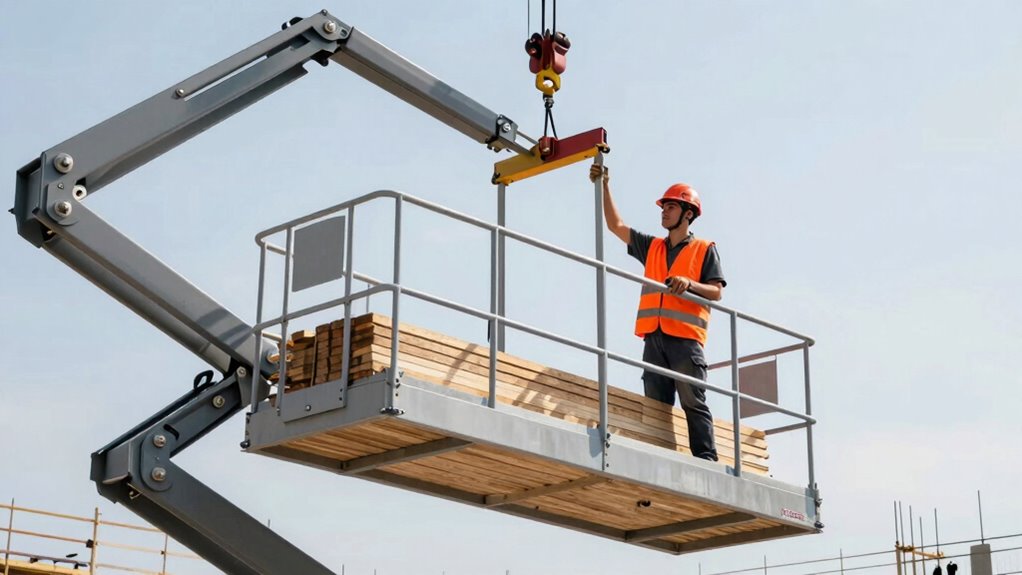
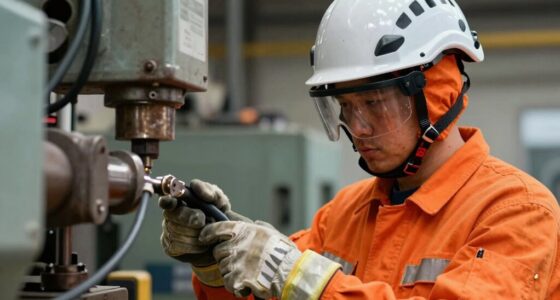
Using a material lift safely and effectively can make lifting heavy or awkward loads much easier, but it’s crucial to understand how the equipment works before you operate it. To do so, you need to be familiar with important safety precautions and the importance of regular equipment maintenance. Safety precautions are critical because they help prevent accidents and injuries. Always inspect the lift thoroughly before each use, checking for damaged cables, loose bolts, or worn-out components. Never ignore any signs of wear or malfunction; addressing these issues before operating the lift can save you from potential hazards.
Always inspect the lift thoroughly before use to prevent hazards and ensure safe operation.
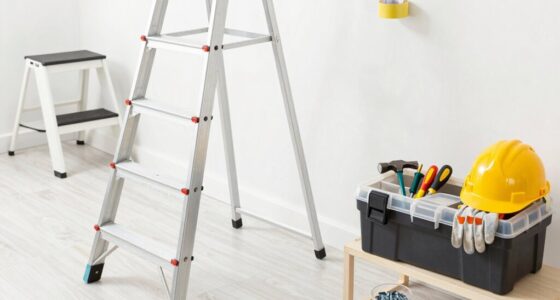
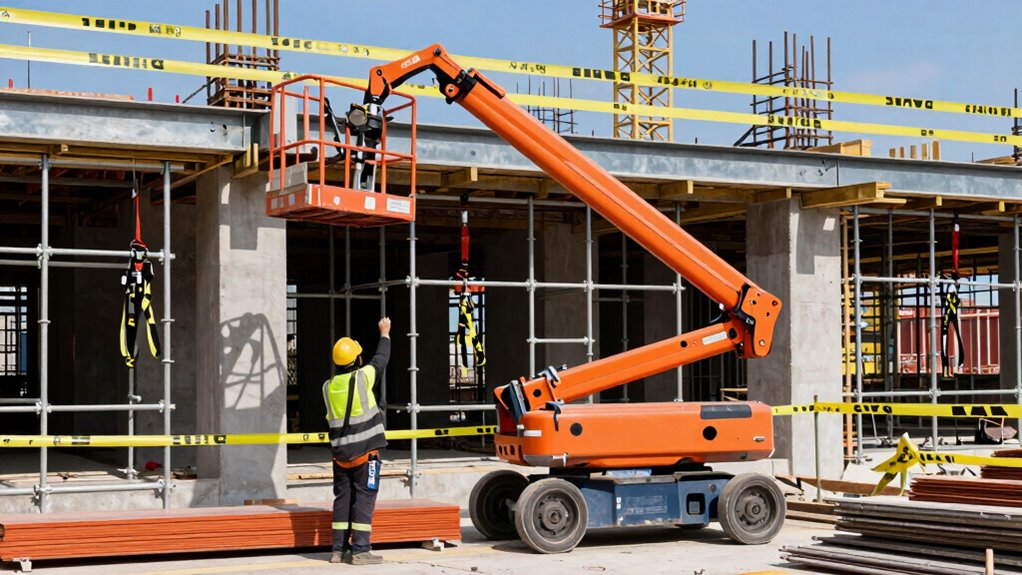
When setting up the lift, verify it’s on a stable, level surface to avoid tipping over. Make sure the area around the lift is clear of obstacles and bystanders. Wearing proper personal protective equipment, like gloves, hard hats, and safety boots, adds an extra layer of safety. When operating the lift, always adhere to the manufacturer’s load capacity limits. Overloading can cause the lift to become unstable or even collapse, risking injury and damage. Keep loads close to the lift’s center of gravity and secure them properly with straps or hooks to prevent shifting during movement.
Equipment maintenance is just as crucial as safety precautions. Regularly scheduled maintenance ensures the lift functions correctly and reduces the risk of mechanical failure. Follow the manufacturer’s guidelines for lubrication, inspections, and part replacements. Keep detailed records of all maintenance activities to track the equipment’s condition over time. Proper maintenance also involves cleaning the lift after each use to remove debris, dust, or any substances that might cause corrosion or operational issues. Understanding how equipment wears out can help in planning more effective maintenance routines. Incorporating preventive maintenance practices can further extend the lifespan of the lift and improve safety. Staying aware of wear and tear indicators helps operators identify issues early before they lead to failure. Additionally, using proper storage techniques when the lift is not in use can prevent unnecessary damage and deterioration. Being aware of load distribution principles can help ensure safer lifting operations and reduce strain on the equipment.
When operating the lift, always use smooth, controlled movements. Avoid sudden jerks or rapid movements that could destabilize the load or cause the equipment to malfunction. Communicate clearly with your team, especially when raising or lowering heavy loads, and make sure everyone is aware of the operation. Never bypass safety features or attempt to modify the lift in any way, as this can compromise its integrity. Proper training is essential; if you’re unsure about any aspect of using the lift, seek guidance from a qualified supervisor or review the user manual.
material lift safety inspection tools
As an affiliate, we earn on qualifying purchases.
As an affiliate, we earn on qualifying purchases.
Frequently Asked Questions
What Are Common Mistakes to Avoid When Operating a Material Lift?
To avoid common mistakes, focus on maintaining material stability at all times and stay alert to your surroundings. Never overload the lift, and always guarantee loads are balanced before lifting. Keep an eye on the lift’s movement, and avoid sudden starts or stops. Operator awareness is essential—be mindful of nearby workers, overhead obstacles, and proper height adjustments. These practices help prevent accidents and keep your job site safe.
How Should I Inspect a Material Lift Before Use?
Did you know that improper inspections can cause up to 30% of lift accidents? Before use, you should thoroughly check lift stability by inspecting the inspection checklist. Make certain all safety features work, like brakes and limit switches. Look for any damage or wear on cables, joints, and the frame. Confirm controls are functioning correctly, and that the area around the lift is clear. A quick, careful inspection helps prevent accidents and keeps your job safe.
What Safety Gear Is Recommended When Using a Material Lift?
You should wear personal protective equipment like a hard hat, safety glasses, gloves, and steel-toed boots to stay safe when using a material lift. Always guarantee emergency procedures are clear and accessible, such as knowing how to shut down the lift quickly or contact emergency services. This gear and preparedness help prevent injuries and ensure you can respond effectively if something unexpected occurs during operation.
How Do Weather Conditions Affect Material Lift Safety?
Don’t let weather hazards catch you off guard. Wind effects, in particular, can turn a safe lift into a dangerous situation. High winds sway the lift, making it unstable and risking tipping or dropping loads. Rain and lightning also reduce visibility and increase slip hazards. Always check weather forecasts before starting, and postpone lifts if conditions threaten safety. Staying vigilant guarantees you don’t bite off more than you can chew in bad weather.
Who Should Be Trained to Operate a Material Lift?
You should guarantee that only trained operators with proper certification handle the material lift. They need to understand safety protocols, equipment maintenance, and proper operation procedures. Regular training updates help keep skills sharp and safety knowledge current. By certifying operators and maintaining the equipment, you reduce risks and ensure safe lift operation, protecting both workers and the job site from accidents and equipment failures.
As an affiliate, we earn on qualifying purchases.
Conclusion
Using a material lift safely can considerably reduce workplace accidents; in fact, proper use can decrease lifting injuries by up to 50%. Always follow safety guidelines, inspect the equipment before use, and get trained on proper operation. Remember, taking these precautions isn’t just about following rules – it’s about protecting yourself and your coworkers. Staying vigilant and informed makes all the difference in keeping your job site safe and injury-free.
As an affiliate, we earn on qualifying purchases.
leveling and stabilizing equipment for lifts
As an affiliate, we earn on qualifying purchases.
As an affiliate, we earn on qualifying purchases.
Flea & tick season Picks
flea and tick prevention
As an affiliate, we earn on qualifying purchases.