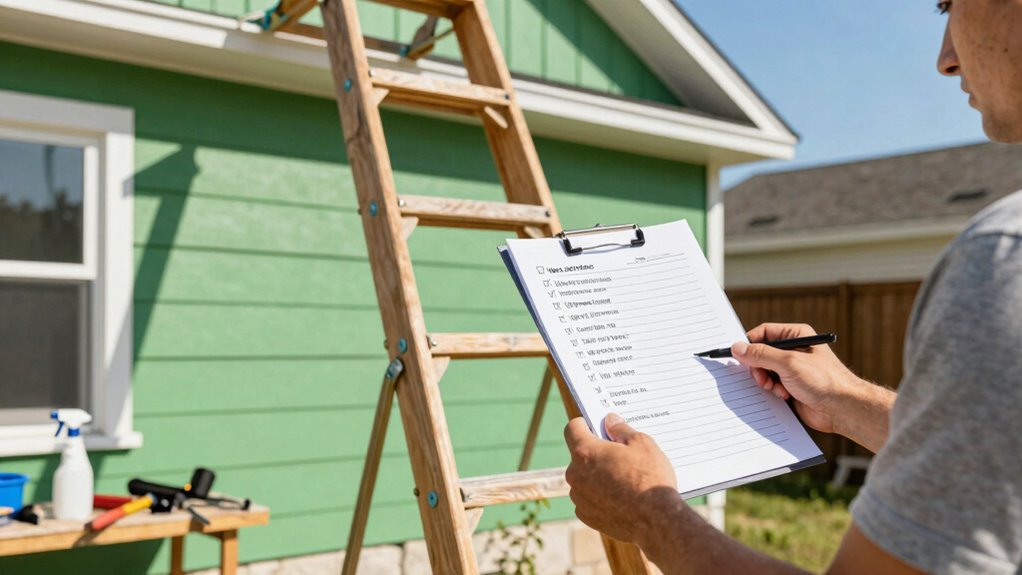

Before heavy summer outdoor repairs, check your tools for safety issues like frayed cords or loose parts, and make certain safety guards are in place. Monitor the weather forecast closely, postponing work during thunderstorms or extreme heat, and plan to work during cooler times. Clear your work area of debris, secure ladders and scaffolding, and wear proper protective gear. Stay updated on conditions and have contingency plans, so you’re fully prepared—there’s more to keep in mind for a safe, successful project.
Key Takeaways
- Verify weather conditions to avoid working during thunderstorms, extreme heat, or high winds.
- Inspect and maintain all tools and equipment for safety and proper operation.
- Clear the work area of debris, loose objects, and potential trip hazards.
- Ensure proper ventilation and safe handling of chemicals or paints if used indoors or in enclosed spaces.
- Develop a detailed plan with realistic timelines, including contingency measures for weather changes.
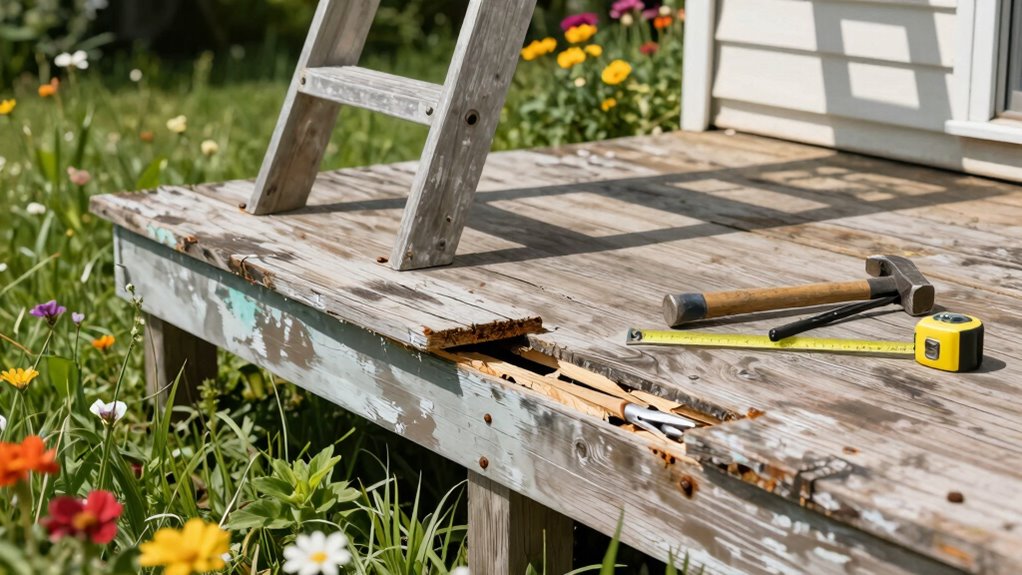
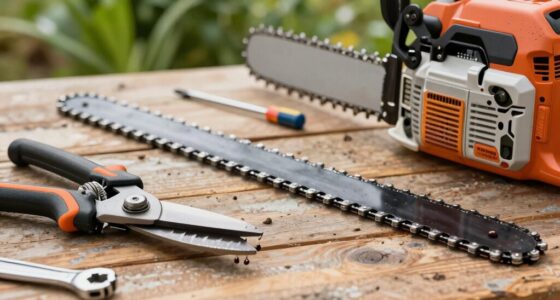
As summer approaches and outdoor repair projects become more urgent, it’s essential to prepare properly before diving into heavy work. Starting with your tools, ensure that everything is in good condition and safe to use. Tool safety should be your top priority—inspect power tools for frayed cords, loose parts, or signs of wear. Make sure safety guards are in place, and test each tool to confirm it operates correctly. Keep a first aid kit nearby, just in case, and wear appropriate protective gear like gloves, goggles, and ear protection. Using damaged or malfunctioning tools can lead to accidents, so take the time to do a thorough check before you begin.
Ensure tools are safe and in good condition before starting outdoor repair projects.
Next, look at the weather forecast. Summer weather can be unpredictable, with sudden thunderstorms, high temperatures, or strong winds. Planning your outdoor repairs around the forecast helps you avoid working during unsafe conditions. If rain or thunderstorms are predicted, postpone your project or schedule it for a clearer day. High temperatures can also pose health risks such as dehydration or heatstroke, so plan to work during the cooler parts of the day, like early mornings or late afternoons. Keep an eye on the forecast daily, and have contingency plans ready in case the weather shifts unexpectedly. Monitoring environmental conditions is also important to ensure your safety and the success of your project. Being aware of climate variability can help you better adapt your plans accordingly. Additionally, understanding seasonal weather patterns can assist in better planning for future projects.
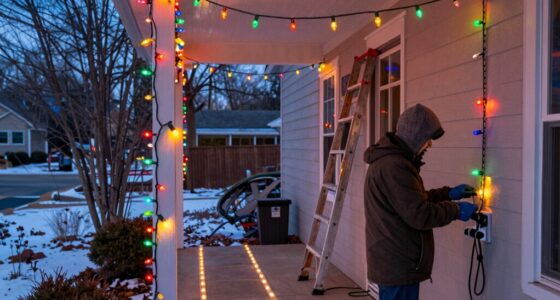
Beyond tools and weather, check your work area for hazards. Clear away debris, loose branches, or any objects that could trip you up or cause injury. Make sure your ladders are stable and on level ground, and double-check that your scaffolding, if you’re using it, is secure. Proper setup reduces the risk of falls and other accidents. Additionally, evaluate your safety gear—ensure you have sturdy gloves, eye protection, and masks if needed. If you’re working with chemicals or paints, read all labels and follow safety instructions precisely. It’s also helpful to be aware of indoor air quality considerations, especially if you’re working with volatile substances or in enclosed spaces. Being mindful of ventilation can further improve safety during your project.
Finally, review your plan for the project. Break it down into manageable steps, and set realistic timelines based on the weather forecast and your available resources. Preparing ahead minimizes rushing, which can lead to mistakes or injuries. Don’t forget to inform someone about your plans, especially if you’re working alone, so help is available if needed. By taking these precautions—checking tool safety, monitoring the weather, clearing hazards, and planning carefully—you set yourself up for a successful, safe summer outdoor repair season.
outdoor power tool safety check kit
As an affiliate, we earn on qualifying purchases.
As an affiliate, we earn on qualifying purchases.
Frequently Asked Questions
How Do I Identify Hidden Structural Damages Before Repairs?
To identify hidden structural damages, start with a thorough subsurface inspection, looking for signs like cracks or uneven surfaces that might indicate deeper issues. Conduct a damage assessment by tapping and probing areas for softness or hollow sounds. Use tools like moisture meters or infrared cameras for a more detailed check. This process helps you uncover hidden problems before repairs, ensuring safety and preventing further damage during summer outdoor projects.
What Safety Gear Is Essential for Summer Outdoor Repairs?
You need essential safety gear to stay protected during summer outdoor repairs. Wear protective clothing like long sleeves, gloves, and sturdy boots to prevent injuries. Use safety equipment such as goggles or safety glasses to shield your eyes from debris, and a helmet if working around falling objects. Ear protection is also crucial when operating loud machinery. Prioritizing this gear helps prevent accidents, ensuring your repair work remains safe and efficient.
How Can I Estimate the Total Repair Costs Accurately?
To estimate repair costs accurately, start by gathering detailed material costs from suppliers or online sources, ensuring you account for quality and quantity. Then, get precise labor estimates based on the scope of work and local rates. Add a contingency for unexpected expenses. Keep track of all these details, and review your estimates regularly to adjust for any price changes or project scope adjustments, ensuring your budget stays on track.
Are There Environmental Considerations for Outdoor Repairs?
You definitely need to take into account environmental impacts before outdoor repairs—they can cause wildlife disruption and chemical runoff that devastates local ecosystems. If you ignore these factors, you risk ruining habitats and polluting water sources, which can have far-reaching consequences. Always plan to minimize soil disturbance, choose eco-friendly materials, and manage chemicals responsibly. Your careful approach ensures your project doesn’t harm nature, keeping your outdoor space beautiful and sustainable.
When Is the Best Time of Day to Start Heavy Repairs?
You should start heavy outdoor repairs early in the morning, around sunrise, to optimize timing considerations. This helps you avoid the midday heat, which can impact both your safety and work quality. Starting early also gives you cooler temperatures to work comfortably and minimizes weather impact, like sudden storms or high temperatures that could delay progress. Planning your work schedule around these factors guarantees a safer, more efficient repair process.
weatherproof scaffolding for outdoor repairs
As an affiliate, we earn on qualifying purchases.
As an affiliate, we earn on qualifying purchases.
Conclusion
Before you plunge into heavy summer outdoor repairs, remember to check the weather forecast, gather your tools, and make certain safety measures are in place. Think of it as preparing your ship before a voyage—steadying the sails and inspecting the compass. Once everything’s in order, you’ll navigate the project smoothly, turning your outdoor space into a vibrant oasis. With proper prep, you’ll weather any storm and emerge victorious, basking in the warm glow of your summer masterpiece.
heavy duty work gloves for outdoor projects
As an affiliate, we earn on qualifying purchases.
As an affiliate, we earn on qualifying purchases.
protective safety goggles for DIY repairs
As an affiliate, we earn on qualifying purchases.
As an affiliate, we earn on qualifying purchases.