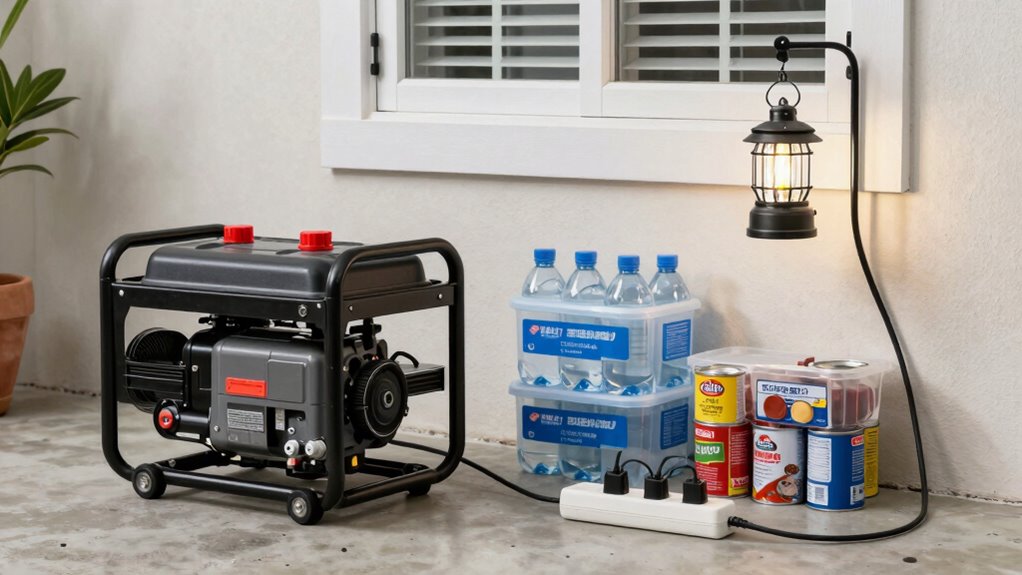

To create a generator-ready emergency setup at home, identify your essential appliances and choose the right-sized generator. Guarantee safe operation by placing it outdoors in a well-ventilated area, away from windows and vents. Use transfer switches for electrical connections and regularly maintain your generator. Store fuel safely and practice starting it periodically. By following these steps, you’ll be prepared for outages and can discover more tips for a reliable emergency system.

Get business pricing on tools and workshop supplies
- Business-only prices and quantity discounts
- Tax-exempt purchasing
- Multiple users, one account, clear invoices
Key Takeaways
- Identify essential appliances and determine the appropriate generator size for your home needs.
- Install transfer switches for safe, code-compliant electrical connections during outages.
- Store fuel safely and keep it readily available for generator operation.
- Operate the generator outdoors in well-ventilated areas, away from windows and vents.
- Prepare an emergency kit and regularly test the generator to ensure reliable performance.
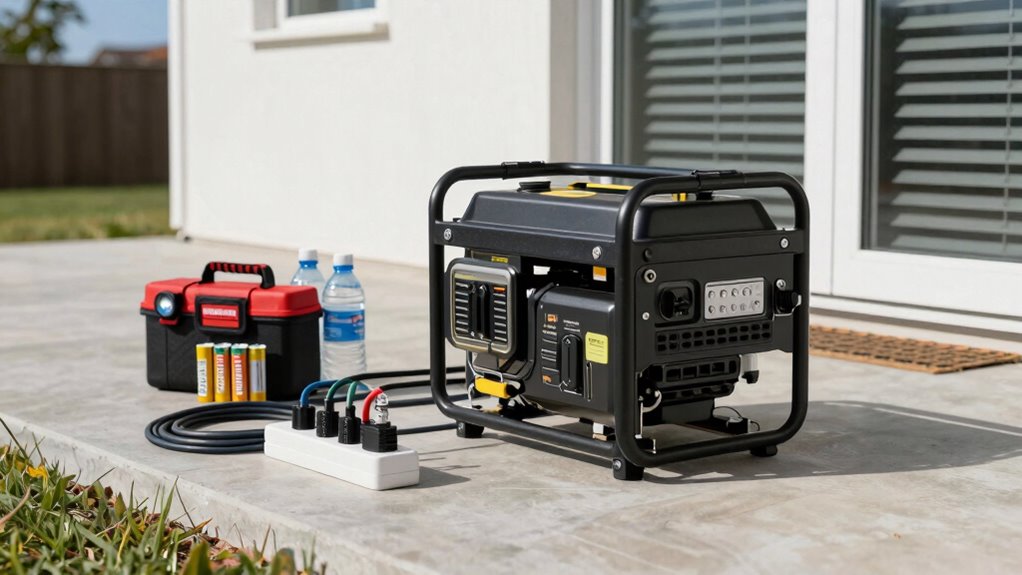
During emergencies, having a generator-ready setup can make all the difference in maintaining essential power supplies. You need to plan carefully to guarantee your setup is both effective and safe. Start by evaluating your power needs—identify critical appliances and devices you must keep running, like refrigerators, medical equipment, and lights. This helps you determine the size of generator you’ll require. Once you’ve chosen the right generator, think about power conservation strategies. Using only essential devices reduces fuel consumption and minimizes overload risks. Unplug non-essential electronics, switch off unused appliances, and set your refrigerator and freezer to ideal temperatures to prevent overworking the units during power outages. These simple steps help extend your generator’s runtime and ensure power stays available when you need it most.
Prioritize essential devices and conserve power to maximize generator runtime during emergencies.
Safety precautions are paramount when setting up your generator. Always operate it outdoors in a well-ventilated area to prevent dangerous carbon monoxide buildup. Never run a generator indoors or in enclosed spaces, even if windows and doors are open. Make sure your generator is placed on a flat, stable surface away from windows, vents, and doors to avoid exhaust fumes entering your home. Use heavy-duty extension cords rated for outdoor use, and ensure they are in good condition, avoiding any frayed or damaged cords. Keep a fire extinguisher nearby, and familiarize yourself with basic fire safety procedures. Regularly inspecting your generator for signs of wear or leaks before an emergency can prevent malfunctions during use. It’s also important to understand biodiversity and its role in environmental health to appreciate how resilient ecosystems can support sustainable living practices. Additionally, understanding fuel storage best practices can help prevent accidents and ensure your generator operates smoothly when needed.
Another critical safety measure involves proper electrical connections. Use transfer switches designed for generator use, so you can safely connect your generator to your home’s electrical system without risking backfeed, which could endanger utility workers or damage your appliances. Never attempt to connect your generator directly to an outlet or through an extension cord that isn’t rated for heavy loads. Also, remember to keep a clear, accessible area around your generator to avoid tripping hazards and ensure quick access during emergencies. Proper maintenance of your generator, including regular oil changes and filter replacements, can significantly extend its lifespan and ensure reliable operation when needed. To further enhance your safety, keep yourself informed about emergency protocols and local utility procedures to respond effectively during power outages.
Finally, prepare an emergency kit that includes basic tools, extra fuel, and safety gear like gloves and masks. Regularly test your generator according to the manufacturer’s instructions, and practice starting and shutting it down. By combining power conservation, safety precautions, and proper planning, you create a dependable, safe generator-ready setup at home. This preparation not only guarantees you have power when the grid fails but also protects your household and prolongs your equipment’s lifespan during unforeseen events.
As an affiliate, we earn on qualifying purchases.
Frequently Asked Questions
How Long Can a Home Generator Run Continuously?
You can typically run a home generator continuously for 8 to 12 hours, depending on its fuel efficiency and tank size. To guarantee it keeps running smoothly, monitor fuel levels regularly and refuel as needed. Keep noise levels in mind, especially if your generator is close to living spaces; quieter models tend to operate longer and more comfortably. Proper maintenance also extends run time and efficiency.
What Is the Average Cost of a Home Generator Setup?
The average cost of a home generator setup ranges from $3,000 to $15,000, depending on size and features. You’ll want to think about fuel efficiency to save money on fuel over time, and noise levels, especially if you live in a quiet neighborhood. Higher-capacity generators with better fuel efficiency and quieter operation tend to cost more upfront but offer greater long-term savings and comfort during outages.
How Do I Maintain My Emergency Generator?
Think of maintaining your generator like tending a vintage clock—regular care keeps it ticking smoothly. You should check and change the oil regularly, keep fuel fresh for peak fuel efficiency, and inspect for leaks. Also, run the generator periodically to keep parts lubricated and test noise levels, ensuring it operates quietly when needed. Proper maintenance helps extend the life of your generator and guarantees it’s ready during an emergency.
Can I Connect My Generator to My Home’s Existing Wiring?
You shouldn’t connect your generator directly to your home’s existing wiring. Instead, use a transfer switch, which safely manages power transfer between your generator and the home’s electrical system. This switch isolates your home from the utility line during a power outage, preventing backfeed and potential hazards. Always follow your local electrical codes and consider hiring a professional to guarantee proper setup and safe power transfer.
What Safety Precautions Should I Follow When Using a Generator?
When using a generator, you should prioritize safety by keeping fuel away from heat or flames and storing it in approved containers. Always guarantee proper ventilation to prevent dangerous carbon monoxide buildup—never operate a generator indoors or in enclosed spaces. Regularly inspect cords and connections for damage, and never overload the generator. Following these precautions helps protect you and your family during power outages.
outdoor transfer switch for generator
As an affiliate, we earn on qualifying purchases.
As an affiliate, we earn on qualifying purchases.
Conclusion
By preparing your home as a generator-ready sanctuary, you’re planting the seeds of resilience amidst storms. Your setup becomes a steady lighthouse, guiding you safely through darkness and uncertainty. With each step you take—fuel stored, outlets protected—you forge an unbreakable chain of security. This preparedness isn’t just about power; it’s about embodying hope and strength, transforming your space into a resilient fortress that stands firm, even when the world around you flickers in the shadows.
generator safety extension cords
As an affiliate, we earn on qualifying purchases.
As an affiliate, we earn on qualifying purchases.
As an affiliate, we earn on qualifying purchases.
Fall Picks
fall essentials
As an affiliate, we earn on qualifying purchases.