To fix sagging gates and loose boards, start by inspecting the gate hinges and springs for wear or rust, tightening screws or replacing damaged parts. Check fence posts for wobbling and reinforce them with gravel or concrete if needed. Tighten loose nails or screws on boards, and replace any cracked or rotting sections promptly. Regular maintenance can prevent bigger issues later, and with a few simple steps, you’ll ensure your fence and gate stay secure and sturdy — learn more to keep everything in top shape.
Key Takeaways
- Inspect gate hinges and tighten or replace worn parts to prevent sagging and ensure smooth operation.
- Check fence posts for stability and reinforce with gravel or concrete if they wobble or lean.
- Tighten loose nails or screws on fence boards and replace damaged or rotting panels promptly.
- Regularly clean and inspect the fence and gate to catch issues early and prevent further damage.
- Apply lubricant to hinges and moving parts to reduce sticking and extend component lifespan.

Have you ever noticed your fence or gate sagging or sticking? It’s a common issue that can make your yard look unkempt and compromise security. The good news is that fixing this problem often involves simple maintenance tasks, like checking gate hinges and guaranteeing fence post stability. Regular gate hinge maintenance is essential to keep your gate swinging smoothly and prevent it from drooping. Over time, hinges can become loose or rusty, which causes the gate to sag or stick. You should inspect the hinges regularly—look for rust, loose screws, or bent parts. Tightening or replacing worn hinges can restore proper function. Applying lubricant to the hinges also helps reduce sticking and prolongs their lifespan. When you do this consistently, you prevent the need for more extensive repairs later on. Additionally, understanding the importance of projector technology can help you appreciate how proper maintenance maintains optimal performance over time. Fence post stability plays a vital role in maintaining a straight, secure fence line. If your fence posts aren’t stable, the entire fence can become uneven or sagging. Start by examining each post to see if it wobbles or shows signs of leaning. Sometimes, posts can become loose over time due to soil erosion or weather conditions. If you notice instability, it’s essential to reinforce the posts quickly. You might need to add gravel or concrete around the base for added support or replace posts that are severely damaged. Ensuring that fence posts are firmly set in the ground helps maintain overall fence integrity and prevents sagging sections. Proper fencing not only looks better but also keeps pets and children safe and secure. Addressing loose boards is another key step in your spring check. Loose or warped boards can make your fence look neglected and reduce its durability. Tighten any loose nails or screws, and if boards are cracked or rotting, replace them promptly. This keeps your fence sturdy and prevents further damage. It’s also wise to clean your fence and gate to identify issues early. Regular inspections and maintenance save you money in the long run because they catch problems before they become major repairs. Taking time for these routine checks ensures your fence remains functional, attractive, and safe. In addition, a well-maintained gate and fence boost your property’s curb appeal and value.
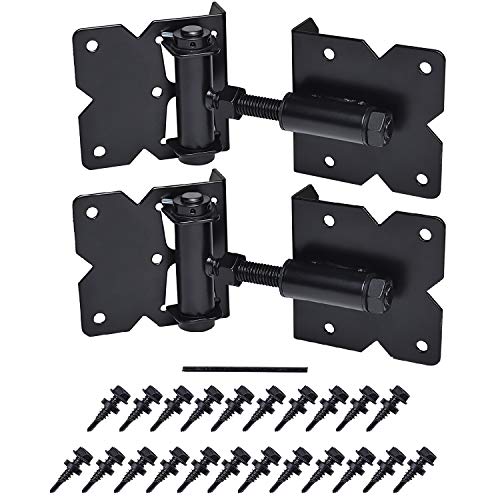
Self Closing Gate Hardware Hinges Heavy Duty for Wooden/Vinyl/PVC Fences,90 Degree Adjustable, with Installation Screws and Swing Adjuster Tool,2 Pack/Set,Black
- Self Closing Adjustable: SANKINS Gate Hinges with Spring…
- Installation Distance Adjustable: There is a bolt that…
- Easy to Install: The hinges can be installed…
As an affiliate, we earn on qualifying purchases.
As an affiliate, we earn on qualifying purchases.
Frequently Asked Questions
How Often Should I Inspect My Fence for Damage?
You should inspect your fence at least twice a year, ideally during spring and fall, to follow an effective inspection schedule. Regular checks help prevent damage by catching issues early, such as sagging gates or loose boards. Keep an eye out after storms or harsh weather. Consistent inspections enable you to maintain your fence’s integrity, saving you money and effort on costly repairs while ensuring it stays secure and attractive.
Are There Eco-Friendly Options for Fence Repair?
Yes, eco-friendly options for fence repair truly exist. You might find that using eco-friendly materials like reclaimed wood, bamboo, or recycled metal can make a significant difference. Sustainable repair options include biodegradable paints and sealants, which protect your fence while minimizing environmental impact. By choosing these sustainable materials, you not only extend your fence’s lifespan but also contribute to a healthier planet. It’s a smart, responsible way to maintain your fence.
Can I Replace Fence Springs Without Professional Help?
Yes, you can do a DIY replacement of fence springs, especially if you’re comfortable with basic tools and safety precautions. This approach usually costs less than hiring a professional, making it a smart choice for budget-conscious homeowners. Just make certain you follow clear instructions and use the right replacement parts. Comparing costs, DIY options typically save you money, but take your time to avoid mistakes that could lead to further repairs.
What Tools Are Necessary for Spring Check Repairs?
You’ll need basic tools like a wrench, pliers, and a screwdriver for spring check repairs. A repair kit can simplify the process, often including replacement springs, hooks, and safety gloves. Make certain you have the correct size of springs to match your gate. Using these tools and a repair kit options makes fixing sagging gates or loose boards manageable, even if you’re doing it yourself for the first time.
How Do Weather Conditions Affect Fence Spring Longevity?
Weather impact profoundly influences your fence spring’s longevity, especially with seasonal changes. Extreme temperatures cause metal to expand and contract, leading to wear and potential breakage. Moisture from rain or snow can cause rust, weakening the spring over time. Harsh weather accelerates these effects, so regularly inspecting and maintaining your fence springs is vital to prevent sagging and guarantee they last through changing seasons.

National Hardware V23A Adjust-O-Matic 8 in Heavy Duty Gate Latch for Wooden Fence – Self-Adjusting Outdoor Gate Hardware with Zinc-Plated Triple-Protected Black Finish
- Heavy Duty Construction: Made with hot-rolled steel for durability
- Adjustable Self-Adjusting Design: Fits right or left hand mounting
- Corrosion Resistant Finish: Triple-protected zinc, chromate, and enamel
As an affiliate, we earn on qualifying purchases.
As an affiliate, we earn on qualifying purchases.
Conclusion
By inspecting your fence and gate regularly, you prevent small issues from turning into big problems. Imagine a gate standing tall and sturdy, like a soldier ready to guard your home, instead of sagging and loose. With just a little spring check, you keep your fence looking neat and functioning perfectly. Think of it as tending a garden—small efforts now guarantee a beautiful, secure boundary that stands strong against time and weather.
As an affiliate, we earn on qualifying purchases.
As an affiliate, we earn on qualifying purchases.