To keep welding sparks away from flammables, make certain you wear fire-resistant clothing, gloves, and a welding helmet for protection. Clear your workspace of any combustible materials, moving them at least 35 feet away, and shield nearby items with fire-resistant blankets or barriers. Guarantee good ventilation and regularly inspect your equipment for faults. Keep fire extinguishers nearby and recognize fire safety protocols—these steps help prevent accidents. For more detailed safety tips, continue exploring effective ways to minimize fire hazards.
Key Takeaways
- Use fire-resistant blankets or barriers to shield flammable materials from sparks.
- Maintain a safe distance, at least 35 feet, between welding areas and combustible items.
- Install welding curtains or screens to contain sparks and prevent contact with flammables.
- Ensure proper workspace ventilation to disperse flammable fumes and reduce fire risk.
- Remove or securely cover all combustible materials before starting welding operations.
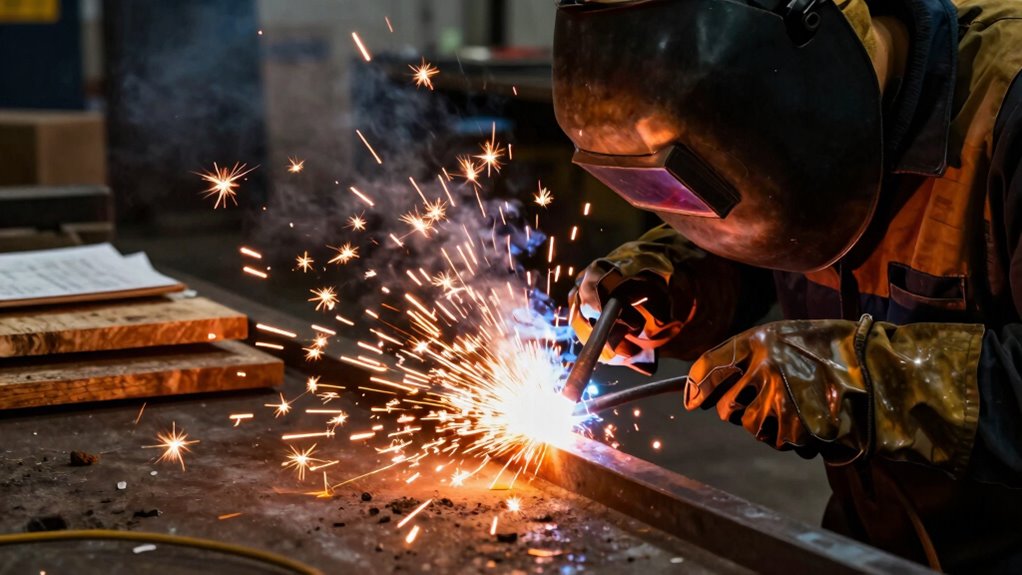
Welding sparks can be small but powerful sources of ignition, especially when flammable materials are nearby. To prevent fires, you need to be proactive about controlling sparks and minimizing risks. First, always wear the right protective gear. This isn’t just about safety—it’s about preventing sparks from causing a blaze. Fire-resistant clothing, gloves, and a welding helmet help contain sparks and reduce the chances of accidental ignition. Remember, ordinary fabrics can catch fire easily, so prioritize fire-resistant materials that are specifically designed for welding environments.
When preparing your workspace, clear the area of any flammable materials. Keep combustible items—such as paper, wood, or certain plastics—at least 35 feet away from your welding zone, if possible. If you can’t move them, shield them with fire-resistant blankets or barriers made from fire-resistant materials. These barriers act as a second line of defense, absorbing or deflecting sparks before they reach anything flammable. Additionally, consider using welding curtains or screens. These act as physical barriers, preventing sparks from drifting into areas where flammable materials are stored or present.
Proper ventilation is essential to prevent the buildup of flammable fumes, which can ignite easily. Make sure your workspace is well-ventilated, and avoid welding in confined spaces where fumes and sparks can accumulate. Also, inspect your equipment regularly. Faulty or poorly maintained welding machines can produce excessive sparks or even electrical shorts that increase fire hazards. Keep your tools in good condition, and replace worn-out parts promptly. Regular equipment inspections can help identify potential issues before they lead to accidents.
In some cases, you might need to implement fire watches—someone who remains alert during and after welding to spot any signs of fire. This is especially important when working near highly flammable materials or in environments where sparks could travel unnoticed. Having a fire extinguisher nearby is a must. Make sure it’s appropriate for the types of fires that could occur, such as Class ABC extinguishers, and that everyone on site knows how to use it.
Ultimately, controlling welding sparks involves a combination of protective gear, fire-resistant materials, workspace safety, and vigilant practices. By taking these steps seriously, you can significantly reduce the risk of fire and keep your welding environment safe for everyone involved. Additionally, understanding flammable materials and their behavior can help you better assess and mitigate risks in your workspace. Being aware of fire safety protocols can further enhance your ability to respond effectively in an emergency.

BOCOMAL FR Shirts 6.25oz Light Weight Summer Welding Shirts Flame Resistant Gray Men's Fire Retardant
- Lightweight Flame-Resistant Material: 6.25oz cotton twill with flame-resistant treatments
- Water and Oil Resistant: Repels water, rain, oil, and stains
- Comfortable and Fashionable Fit: Prewashed, preshrunk, wrinkle-free design
As an affiliate, we earn on qualifying purchases.
As an affiliate, we earn on qualifying purchases.
Frequently Asked Questions
What Are the Most Common Flammable Materials Near Weld Areas?
You’ll find common flammable materials near weld areas include paper, rags, and wood, which can ignite easily from sparks. To prevent fires, wear fire-resistant clothing and use spark guards to contain sparks. Always clear the work area of combustible materials before welding, and keep a fire extinguisher nearby. Regularly inspect your surroundings to confirm that flammables aren’t within reach of sparks or heat, reducing fire risks effectively.
How Long Should Flammable Materials Be Kept Away After Welding?
Think of welding sparks as tiny fireworks, still carrying heat and risk even after the show ends. You should keep flammable materials behind spark barriers and maintain proper flammable clearance for at least 30 minutes to an hour after welding. This waiting period helps guarantee sparks and residual heat don’t ignite surprises later. Always monitor the area and remove combustibles promptly to keep everyone safe from lingering sparks.
Are There Specific Protective Equipment for Sparks and Fire Prevention?
You should wear personal protective equipment (PPE) specifically designed for fire prevention, like fire-resistant clothing and welding helmets. These items protect you from sparks and potential fires, reducing injury risks. Fire-resistant clothing is essential as it resists ignition and minimizes burn injuries. Always make sure your PPE fits properly and covers all exposed skin, and consider using fire-resistant gloves and aprons for added safety during welding tasks.
What Are the Legal Safety Requirements for Welding in Flammable Environments?
You need to play it by the book regarding welding in flammable environments. Legally, you must follow fire safety regulations, including proper hazard prevention measures like isolating combustible materials, using fire-resistant blankets, and ensuring adequate ventilation. OSHA standards and local fire codes set specific requirements. Failing to comply can lead to hefty fines or dangerous accidents, so always prioritize safety protocols and conduct thorough risk assessments before beginning any welding work.
How Can I Train Workers to Recognize Fire Hazards During Welding?
You can train workers to recognize fire hazards during welding by providing thorough hazard awareness training that emphasizes identifying potential dangers like flammable materials and sparks. Make sure they understand the importance of personal protective equipment, such as flame-resistant clothing and eye protection. Regularly conduct safety drills and visual inspections, encouraging workers to stay alert and report hazards promptly. This proactive approach helps prevent fires and keeps everyone safe on the job.
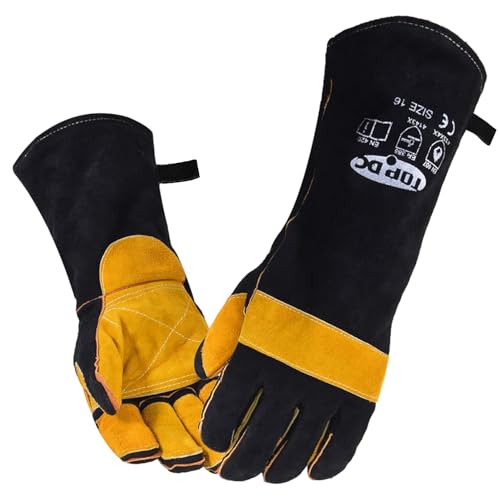
TOPDC Welding Gloves 16 Inches 932℉ Fire/Heat Resistant Leather Welding Gloves For Mig, Tig, Stick, Forge, BBQ, Grill, Fireplace, Wood Stove, Furnace, Oven, Animal Handling for Safe, Loving Pet Care
- Heat Resistance: Withstands up to 932°F (500°C)
- Durable Material: Made from 1.2mm cowhide leather
- Reinforced Stitching: Kevlar and double leather stitching
As an affiliate, we earn on qualifying purchases.
As an affiliate, we earn on qualifying purchases.
Conclusion
By staying vigilant and keeping flammables at a safe distance, you might just find that sparks often land where you least expect them—far from danger. It’s a coincidence worth noting: a little extra caution can prevent a fiery mishap, turning a routine weld into a safe success. So, embrace these safety tips, and you’ll likely discover that the same careful habits become second nature, keeping both sparks and surprises at bay.
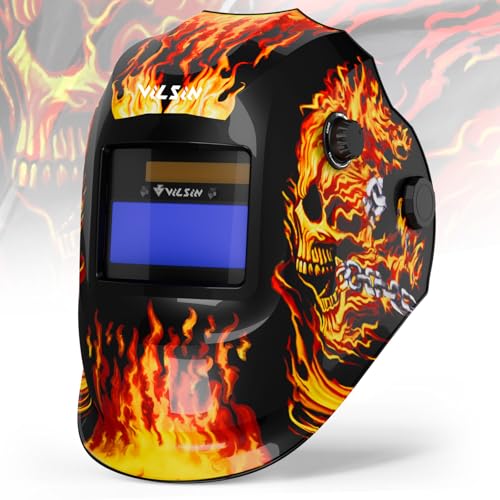
VILSIN True Color Auto Darkening Welding Helmet with Flames Welding Mask Large View Wide View Welding Hood with 2 Arc Sensor,Wide Shade 3/4-8/9-13 for Mask Tig Mig Arc Welding Shield K23-5022-HY
- Welding hoods Performance: Welding cap with viewing area…
- Adjustable Headgear:All day comfort soft, padded front headband…
- Welding Cap Battery Type: Replaceable CR2032 battery 1 Lithium…
As an affiliate, we earn on qualifying purchases.
As an affiliate, we earn on qualifying purchases.

2 Pack Welding Blanket 4×6 ft – Heavy Duty Fiberglass Heat Resistant Fabric, 1022 °F Fire Resistant Blankets, High Temp Insulation Blanket for Industrial, Smoker, Camping, Grill
- Material: Fiberglass fabric, 24.7 oz/yd²
- Heat Resistance: Withstands up to 1022°F (550°C)
- Size: 4×6 ft, 2-pack
As an affiliate, we earn on qualifying purchases.
As an affiliate, we earn on qualifying purchases.