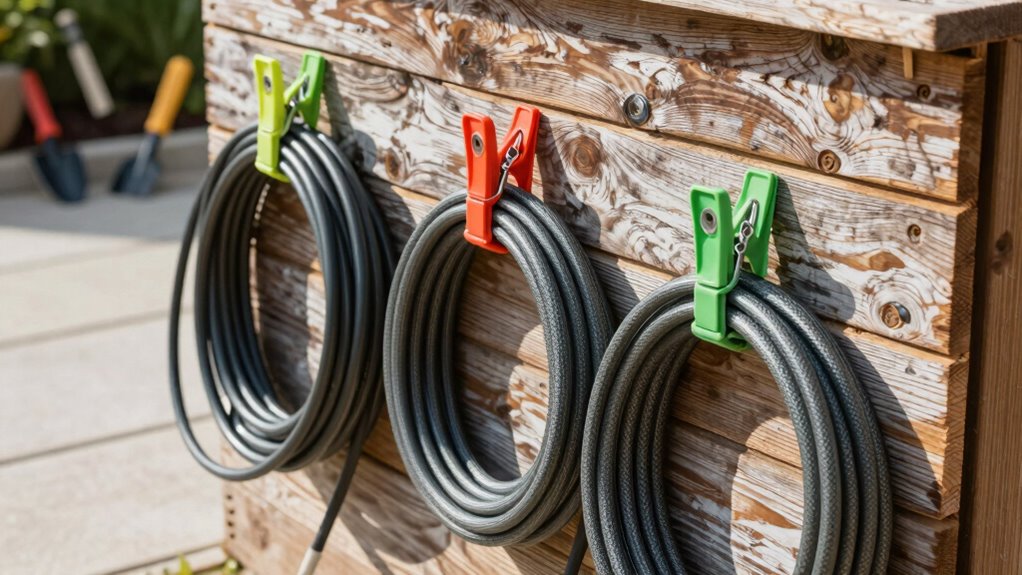

To keep cords and hoses from becoming hazards, regularly inspect for damage and replace worn or faulty insulation immediately. Store them properly by coiling cords neatly, hanging or securing hoses in a dry, cool location away from sunlight and environmental damage. Always handle with care, avoiding pulling or dragging, and keep walkways clear. Organizing and maintaining them reduces tripping risks and electrical hazards. To learn more safety tips, keep exploring ways to protect your space and loved ones effectively.

Get business pricing on tools and workshop supplies
- Business-only prices and quantity discounts
- Tax-exempt purchasing
- Multiple users, one account, clear invoices
Key Takeaways
- Regularly inspect and replace damaged cords and hoses to prevent electrical shocks and leaks.
- Properly store cords and hoses by coiling neatly and hanging or placing in dry, protected areas.
- Avoid pulling or yanking cords; unplug by gripping the plug firmly to prevent internal damage.
- Keep cords and hoses organized and away from walkways to minimize tripping hazards.
- Protect cords and hoses from harsh environmental conditions like moisture, heat, and sunlight to extend lifespan.
Cords and hoses are common tools in many homes and workplaces, but if not handled properly, they can pose serious safety risks. One of the most critical factors in preventing accidents is ensuring that electrical insulation remains intact. Over time, cords can become frayed or damaged, exposing live wires that could cause electric shocks or fires. Regularly inspect your cords for cuts, cracks, or worn-out insulation, and replace damaged ones immediately. Never attempt to repair damaged electrical insulation with makeshift fixes like tape, as these can fail and increase the hazard. Proper electrical insulation is essential for safe operation, especially in areas where cords are frequently used or exposed to moisture. Ensuring insulation integrity is maintained can significantly reduce the risk of electrical hazards. Additionally, keeping cords and hoses away from heat sources can prevent premature deterioration of their materials. Proper handling and storage are vital components of cords and hoses safety, helping to prevent accidents and prolong the lifespan of your equipment.
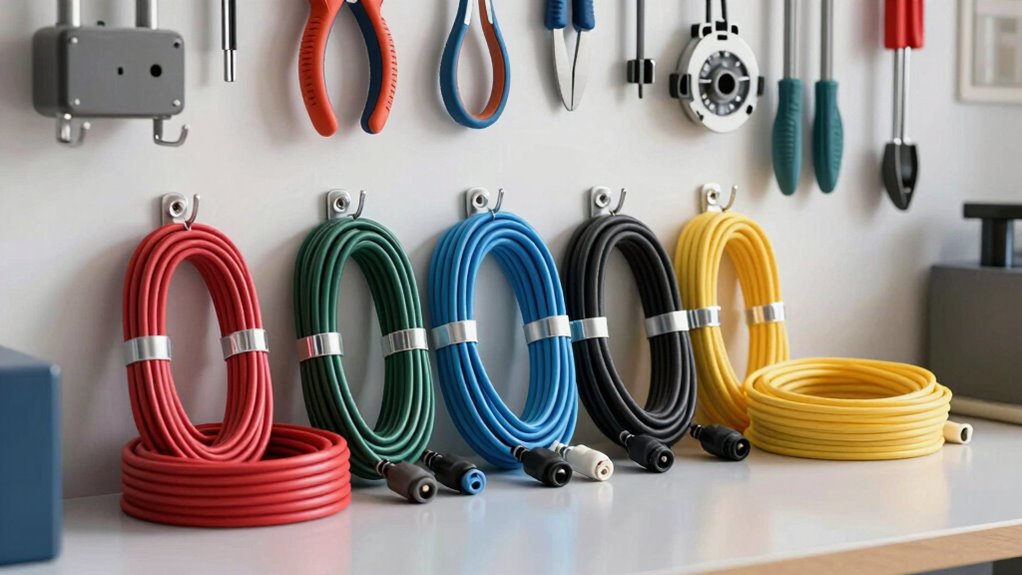
Another key aspect of safety involves proper storage. When cords and hoses are not in use, you should store them correctly to prevent damage and reduce tripping hazards. Avoid leaving them sprawled across walkways or doorways; instead, coil them neatly and secure with straps or ties. Proper storage not only keeps your workspace tidy but also protects the cords from unnecessary wear and tear. Store hoses in a cool, dry place, away from direct sunlight, which can degrade rubber and plastic components over time. For electrical cords, consider hanging them on wall hooks or dedicated racks to prevent kinks and tangles, which can damage the insulation or internal wiring. Regularly checking the storage conditions can further extend the lifespan of your hoses and cords. Proper storage techniques can also help prevent accidental disconnections or damage caused by environmental factors.
Keeping cords and hoses organized and properly stored also means you’ll be less likely to trip over them or accidentally pull them from power sources, which can lead to electrical faults or injuries. When unplugging cords, always grip the plug rather than pulling on the cord itself, which can weaken insulation and internal wires. Be cautious about how you uncoil hoses and cords—pulling them out carelessly can cause kinks or tears, compromising their safety and functionality. If hoses or cords are stored in outdoor environments, make sure they’re protected from harsh weather conditions that can accelerate deterioration. Properly maintaining your cords and hoses is an essential part of safety practices, helping to prevent potential hazards before they occur. Additionally, using protective covers or sleeves can provide an extra layer of security against environmental damage.
As an affiliate, we earn on qualifying purchases.
Frequently Asked Questions
How Can I Hide Cords for a Cleaner Look?
To hide cords for a cleaner look, try decorative concealment options like stylish cord covers or fabric sleeves that match your decor. Use cable management solutions such as clips, trays, or raceways to neatly route cords along walls or furniture. These solutions keep cords hidden and organized, reducing clutter and hazards, while enhancing your space’s appearance. Regularly check and adjust to guarantee cords stay concealed and don’t pose any safety risks.
What Are the Best Materials for Cord Covers?
You get what you pay for when choosing cord cover options. Rubber and PVC are popular for their material durability, flexibility, and affordability. For heavy-duty use, consider silicone or braided fabric covers—they’re tough and withstand wear and tear. These materials keep cords safe, prevent tripping, and look neat. Don’t cut corners; investing in quality cord covers guarantees longevity and peace of mind for your space.
How Often Should I Inspect Hoses for Damage?
You should inspect hoses for damage at least once a month to maintain electrical safety and prevent hazards. Regular checks help you identify frays, cracks, leaks, or worn areas early on. Use prevention techniques like replacing damaged hoses promptly and securing them properly. By staying vigilant, you reduce the risk of accidents and guarantee your workspace remains safe and efficient. Frequent inspections keep hazards at bay and prolong your hoses’ lifespan.
Are There Childproofing Tips for Cords?
To improve child safety, use cord management solutions like cord covers, wraps, or clips to keep cords out of reach and prevent pulling. Always hide or secure cords behind furniture or walls, and avoid running them across walkways. Regularly inspect cords for damage and replace any frayed or exposed wiring. These steps help prevent accidents and keep your home safer for children, reducing risks associated with loose or accessible cords.
Can Smart Technology Help Manage Cord Safety?
Think of smart technology as a safety net for cords; it actively manages hazards. Wireless solutions and smart sensors monitor cords and hoses, alerting you to potential dangers before accidents happen. For example, some smart sensors detect when cords are tangled or pulled, automatically shutting off power or alerting you via your phone. This proactive approach keeps your space safer and reduces risk, making cord management a seamless part of your routine.
As an affiliate, we earn on qualifying purchases.
Conclusion
By keeping cords and hoses neatly organized and out of walkways, you can prevent accidents that could turn your home into a disaster zone—faster than a lightning strike! Always check for frayed wires or leaks, and use covers or clips to secure them. Remember, a little effort now can save you from a major mishap later. Stay vigilant, stay safe, and turn your space into a fortress of safety where hazards don’t stand a chance.
electrical cord organizer straps
As an affiliate, we earn on qualifying purchases.
As an affiliate, we earn on qualifying purchases.
weatherproof electrical extension cords
As an affiliate, we earn on qualifying purchases.
As an affiliate, we earn on qualifying purchases.
Fall Picks
fall essentials
As an affiliate, we earn on qualifying purchases.