To tell if a tool is well-made or cheap, inspect the materials—durable metals or high-grade plastics indicate quality, while inferior ones chip or rust easily. Feel for ergonomic design, like comfortable grips and balanced weight, which reduce fatigue. Check the construction for tight fits, smooth finishing, and secure assembly. Well-made tools perform better, last longer, and are safer to use. Keep exploring to discover more ways to identify high-quality tools and guarantee your work’s success.
Key Takeaways
- Check the material; well-made tools use durable metals or impact-resistant plastics, unlike cheap, inferior materials.
- Assess ergonomic features like textured grips and balanced weight for comfort and control.
- Inspect construction quality for tight assembly, smooth edges, and absence of loose parts or flaws.
- Evaluate performance; high-quality tools deliver efficiency and handle demanding tasks reliably.
- Consider long-term value and safety; durable tools reduce replacement costs and provide better safety features.
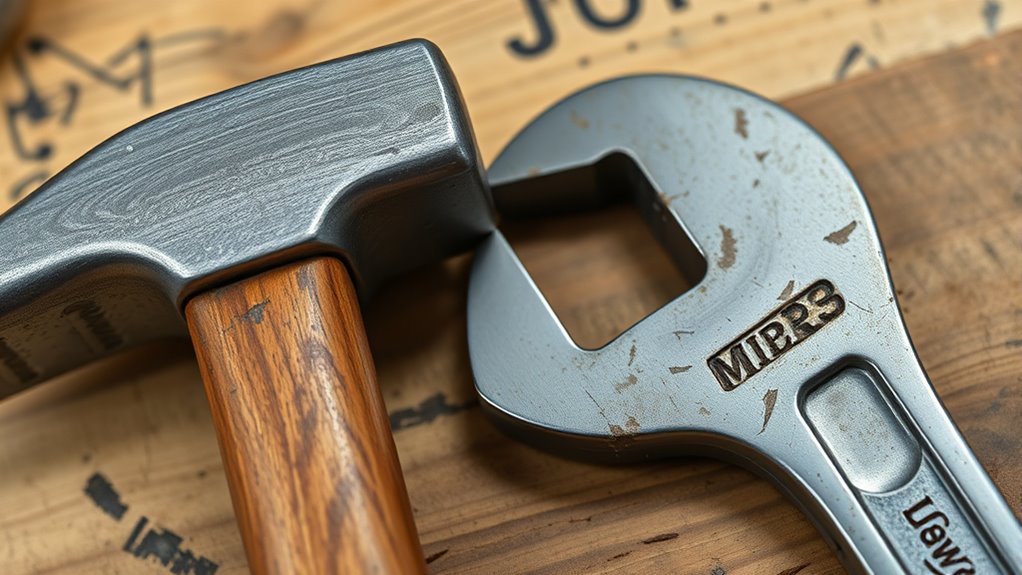
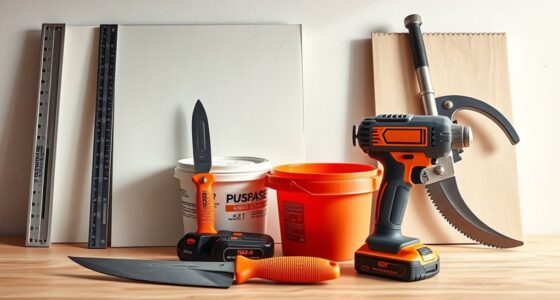
Ever wondered why some tools outperform others? The difference often boils down to how well they’re made, especially when it comes to material durability and ergonomic design. When you’re investing in a tool, you want it to last, perform well, and feel comfortable in your hand. That’s why understanding what makes a tool high-quality is so important. First, pay close attention to the material used. A well-made tool is crafted from durable materials like hardened steel, high-grade aluminum, or impact-resistant plastics. These materials can withstand heavy use without breaking, bending, or wearing down quickly. Cheap tools often cut corners by using inferior metals or plastics that chip, rust, or degrade after minimal use. By checking the material, you get a good sense of how long the tool will serve you and whether it’s built to handle tough tasks. A high-quality tool also reflects comparative advantage in its design, maximizing efficiency and performance for its intended purpose.
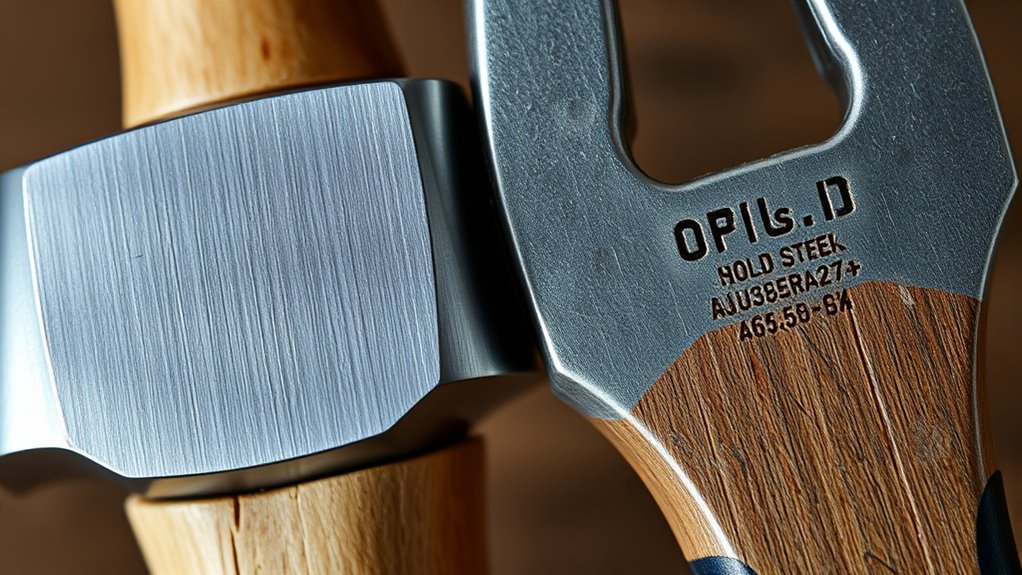
High-quality tools use durable materials like hardened steel, aluminum, or impact-resistant plastics for long-lasting performance.
Beyond raw material quality, ergonomic design plays an essential role. A tool designed with ergonomics in mind fits comfortably in your hand, reducing fatigue and the risk of injury during prolonged use. Look for features like a textured grip, balanced weight distribution, and an appropriate handle size. When a tool feels good to hold, you’ll notice less strain, allowing you to work more efficiently and with greater precision. Cheap tools often neglect these details, resulting in awkward handles that slip, cause blisters, or make your hand ache after a short period. Conversely, a well-made tool’s ergonomic design helps you maintain control, work longer, and complete tasks with less effort.
You should also assess the craftsmanship—how the parts fit together and whether the tool has a sturdy construction. High-quality tools are assembled with tight tolerances, meaning there are no loose components or rough edges that could compromise their performance. Cheaper alternatives tend to have poorly finished surfaces, uneven welds, or loose parts that wobble or break easily. These flaws are telltale signs of inferior construction and can cost you time and money in the long run. When choosing tools, don’t just look at the price tag. It’s worth investing in well-made tools that combine durable materials with thoughtful ergonomic design. Not only will they last longer, but they’ll also make your work easier and safer. Remember, the best tools are ones that feel reliable from the moment you pick them up—solid, comfortable, and built to withstand whatever you throw at them. Making informed choices like this guarantees you’re getting value for your money and setting yourself up for success on every project.
Frequently Asked Questions
How Can I Identify Counterfeit Tools?
To identify counterfeit tools, perform counterfeit detection by examining the logo, markings, and weight. Authenticity verification involves checking packaging for missing labels or poor printing quality. Look for inconsistent or misspelled brand names, unusual logos, and cheap materials. Trust reputable sources and compare the tool with official images. If in doubt, consult the manufacturer or authorized dealer to confirm the tool’s authenticity before purchasing or using it.
Are Expensive Tools Always Better Quality?
Not necessarily. While expensive tools often have better material durability and a higher price comparison, that doesn’t guarantee top quality. You should examine the construction, brand reputation, and reviews to make an informed decision. Cheaper tools can sometimes be surprisingly durable if made with quality materials. Focus on the features and intended use, rather than price alone, to make sure you get a tool that meets your needs without overspending.
What Signs Indicate a Tool Is Cheaply Made?
If a tool is cheaply made, you’ll notice poor material durability—it’s likely to break or wear out quickly. Look for manufacturing precision issues, such as uneven edges or loose parts, which suggest low craftsmanship. You might also feel the tool’s weight is off or notice rough finishes. These signs indicate the tool wasn’t built to last, so investing in higher-quality options guarantees better performance and durability.
How Does Brand Reputation Affect Tool Quality?
Oh, of course, brand reputation is everything—because who doesn’t trust a name over actual quality? When you pick a reputable brand, you’re banking on their reputation impact, meaning they’re more likely to prioritize high standards and durability. Brand trust often signals better craftsmanship, so you can confidently wield that tool, knowing it’s built to last. Skip the unknowns—trust a trusted name, and save yourself future headaches.
Can Inexpensive Tools Be Reliable for Professional Use?
Inexpensive tools can be reliable for professional use if they have good tool durability and material quality. You should check the construction, ensuring the tools are made from tough, high-quality materials like hardened steel or impact-resistant plastics. Look for positive reviews and warranties, as these indicate better reliability. While they might not last as long as premium brands, properly maintained budget tools can perform well in demanding tasks.
Conclusion
When you pick up a well-made tool, it feels solid in your hand, like a trusted companion ready for any task. Its weight, grip, and smooth operation tell you it’s crafted with care. On the other hand, a cheap tool feels flimsy, like it might snap or slip when you need it most. Choose quality, and you’ll carve, cut, and build with confidence—turning your project into a satisfying journey rather than a frustrating struggle.