
TL;DR

Get business pricing on tools and workshop supplies
- Business-only prices and quantity discounts
- Tax-exempt purchasing
- Multiple users, one account, clear invoices
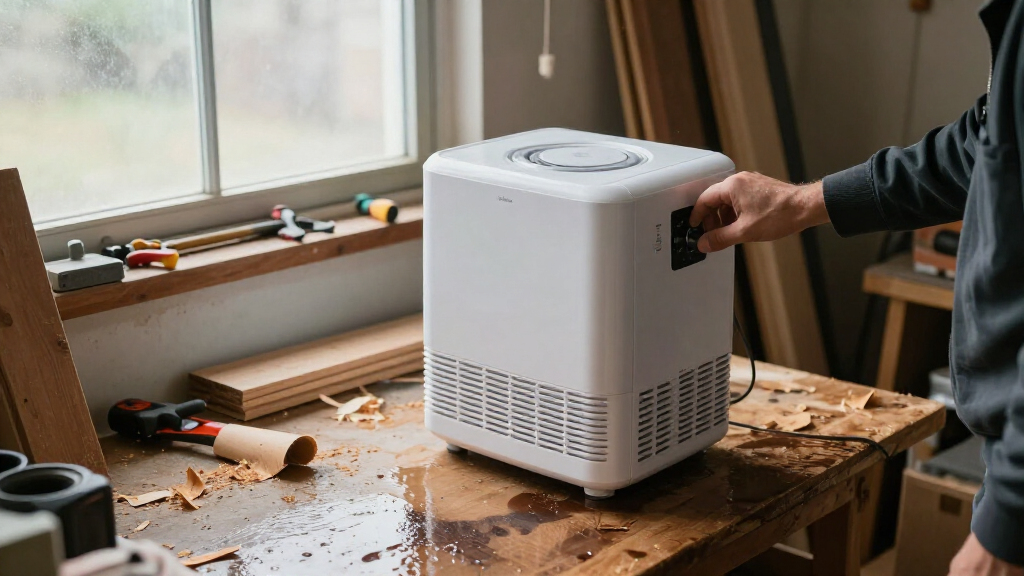
Ideal Home reports five everyday clues that may indicate excess moisture at home: recurring window condensation, mould, musty smells, slow-drying indoor laundry and humidity readings regularly above 60%. Experts say a dehumidifier can help manage airborne moisture, but it will not repair leaks or other sources of damp.
Recurring wet windows, mould and slow-drying laundry may be signs that moisture is building up indoors, according to a new Ideal Home report that lists five clues for households weighing whether to buy a dehumidifier. The report’s expert contributors say the appliance can help reduce moisture in the air, but warn that visible damp can have other causes that need separate investigation.
The five signs in the report are regular condensation on windows, mould recurring around windows or behind furniture, a lingering musty smell, laundry taking a long time to dry indoors, and humidity readings that repeatedly exceed 60% relative humidity. The report attributes its advice to Chris Michael, co-founder of dehumidifier company Meaco and an air-treatment expert, and Pamela Petty, director at Ebac.
Michael says condensation forms when moist air meets a cold surface. Wiping water from glass removes the visible condensation but, he says, does not address excess moisture in the air. He advises looking beyond the spot where mould first appears: moisture from cooking, showering and indoor clothes drying can move through a home and settle on colder surfaces.
A musty smell can appear before mould is visible, the report says, so it recommends checking inside wardrobes and cupboards and behind furniture. Damp-feeling upholstery may also be a clue. For laundry, the experts point to the moisture released as clothes dry; a dedicated laundry setting may be useful for households that regularly dry clothes indoors. Airflow, room temperature and space between garments also affect drying time.
Clues That Can Point to Excess Moisture
Recognising a pattern of repeated moisture symptoms can help residents decide whether to monitor humidity or investigate a damp problem. Condensation that returns, mould in several places, or a persistent smell may indicate that wiping surfaces or masking odours is not dealing with the underlying conditions.
A dehumidifier may reduce moisture suspended in indoor air, but it is not a repair for a leaking pipe, roof defect or water entering through damaged walls. The distinction matters: using an appliance without finding the source could leave a leak or building problem unresolved. Existing mould also needs to be addressed rather than treated as a problem the dehumidifier alone will remove.
dehumidifier for excess indoor moisture
As an affiliate, we earn on qualifying purchases.
As an affiliate, we earn on qualifying purchases.
How Daily Routines Add Indoor Moisture
Cooking, showering and drying washing indoors all release moisture, according to the Ideal Home report. During autumn and winter, cooler conditions and windows kept closed for longer can make it harder for that moisture to escape. The article presents this seasonal combination as one reason everyday symptoms may become more noticeable.
The report recommends using extractor fans while cooking and showering, keeping window frames and sills dry, and allowing air to circulate around furniture. For humidity checks, it suggests using a hygrometer and looking at readings over several days rather than relying on a single result taken just after a shower. Michael recommends a target of around 55% relative humidity for UK homes; he says regular readings above 60% suggest excess moisture and that a dehumidifier may help.
“Condensation forms when moist air meets a cold surface.”
— Chris Michael, Meaco co-founder and air-treatment expert, as quoted by Ideal Home
best dehumidifier for mold and condensation
As an affiliate, we earn on qualifying purchases.
As an affiliate, we earn on qualifying purchases.
When Damp Needs a Different Fix
These signs are indicators, not a diagnosis. The report does not establish that every case of condensation, mould or slow-drying laundry is caused by high indoor humidity, and it gives no guarantee that a dehumidifier will resolve an individual household’s problem. Drying conditions can also be affected by temperature, airflow and how clothes are arranged.
A humidity reading above 60% is presented as a warning sign when it occurs regularly, not as a conclusion based on one measurement. The source does not specify a single reading that confirms a need for an appliance. If damp is concentrated in one area, or mould returns, the cause may require further investigation, particularly for leaks or water entering from outside.
air humidity monitor with digital display
As an affiliate, we earn on qualifying purchases.
As an affiliate, we earn on qualifying purchases.
Check Patterns Before Buying
Households noticing these symptoms can start by checking humidity over several days, inspecting less visible areas such as behind furniture and inside cupboards, and using extractor fans during cooking and showering. For indoor laundry, leaving space between garments and improving airflow may help; a dehumidifier with a laundry mode is an option for those who dry clothes inside regularly.
If moisture remains high or signs keep returning, the next step is to identify its source rather than relying only on an appliance. The report provides no new testing data or follow-up findings, so whether a dehumidifier is appropriate will depend on each home’s readings and the cause of the damp.
dedicated laundry room dehumidifier
As an affiliate, we earn on qualifying purchases.
As an affiliate, we earn on qualifying purchases.
Key Questions
What are the five signs that may point to excess moisture?
Recurring wet windows, mould, a musty smell, slow-drying indoor laundry and humidity readings regularly above 60% are the five signs listed by Ideal Home.
Does condensation on a window mean I need a dehumidifier?
Not on its own. The report treats repeated condensation as a clue to check indoor humidity. Michael says wiping the glass removes water but does not address moisture in the air; persistent damp may have other causes too.
What humidity level does the report recommend?
Michael recommends around 55% relative humidity for UK homes and says readings regularly above 60% suggest excess moisture. The report advises checking readings over several days, not relying on a single measurement.
Will a dehumidifier fix mould or a leak?
A dehumidifier can help reduce airborne moisture, but the report says it will not fix leaking pipes, roof problems or water entering through damaged walls. Those sources need investigation, and existing mould also needs to be dealt with.
Source: rss
Fall Picks
fall essentials
As an affiliate, we earn on qualifying purchases.