
To check your home’s condition annually, you’ll need basic tools like a sturdy ladder, flashlight, and binoculars for inspecting your roof from the ground. For plumbing, grab a wrench, paper towels, and a flashlight to look for leaks, corrosion, or water stains under sinks and appliances. Safety is key, so always guarantee your ladders are stable. Stay alert for signs of damage or wear, and by continuing, you’ll discover how to conduct thorough inspections with confidence.
Key Takeaways
- Use a sturdy ladder, flashlight, and binoculars for safe, thorough visual inspections of roofs and other hard-to-reach areas.
- Carry basic tools like a wrench and cloths to check for leaks, corrosion, and water stains on plumbing fixtures and appliances.
- Keep a home inspection checklist to systematically evaluate shingles, flashing, gutters, and foundation for damage or deterioration.
- Test safety devices such as GFCI outlets, smoke detectors, and carbon monoxide alarms to ensure proper functioning annually.
- Conduct interior assessments for water stains, mold, or unusual odors indicating hidden leaks or structural issues.
Ever wondered if you can spot potential issues in your home without professional help? The good news is, with a few basic tools and a keen eye, you can perform an effective DIY home inspection each year. Regular checks help catch problems early, saving you money and preventing significant damage down the line. Start by focusing on key areas like the roof and plumbing, since these are often the most vulnerable parts of your home.
Performing an annual DIY home inspection helps catch issues early and keeps your home safe and sound.
For roof maintenance, you’ll want a sturdy ladder, a flashlight, and binoculars. Carefully inspect your roof from the ground first using binoculars, looking for missing or damaged shingles, sagging areas, or signs of wear and tear. Climb the ladder if it’s safe, and get a closer look at your roof’s surface. Check for cracked or curling shingles, loose flashing, or any debris that might trap moisture. Be vigilant about signs of leaks or water stains inside your attic or ceilings, which often indicate roof issues. Addressing minor problems early can prevent costly repairs later. Remember, safety comes first, so don’t climb if your ladder feels unstable or if the roof is steep and dangerous.
When it comes to plumbing checks, gather a flashlight, a wrench, and some paper towels or cloths. Start by inspecting exposed pipes under sinks and around appliances for leaks, corrosion, or drips. Look for water stains, mold, or musty smells, which suggest hidden leaks. Turn on faucets to check water pressure and ensure drains flow freely. Pay special attention to the water heater, checking for rust, corrosion, or leaks around its base. Tighten loose fittings as needed, and replace any damaged washers or seals. If you notice persistent leaks or unexplained water bills, it’s time to call in a professional, but many minor issues are simple to fix on your own. Regular plumbing checks can prevent water damage and reduce your utility bills.
In addition to roof and plumbing inspections, don’t forget to check your windows, doors, and electrical outlets for damage or safety hazards. Test GFCI outlets, examine the foundation for cracks, and ensure your smoke and carbon monoxide detectors are working properly. Performing an annual home inspection using these simple tools and routine checks, you can maintain your home’s condition effectively. While you might not catch every issue, performing these inspections annually will help you stay ahead of potential problems, giving you peace of mind and keeping your home safe and sound.
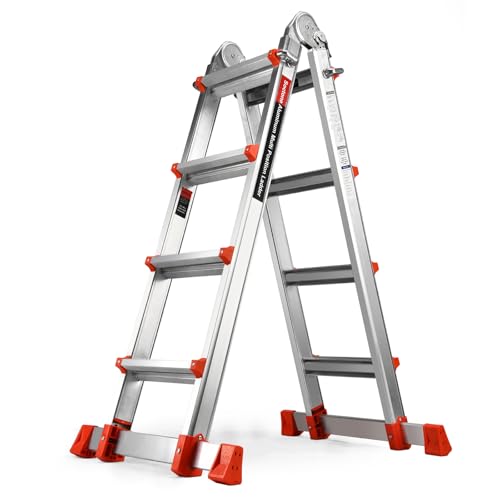
Soctone Ladder, A Frame Extension Ladder, 14 Ft Multi Position Ladder
- Enhanced Stability: Wider contact area with stabilizer bars
- Safe Operation: Secure hinge lock and J lock system
- Smooth Retracting: Safe, controlled extension and retraction
As an affiliate, we earn on qualifying purchases.
As an affiliate, we earn on qualifying purchases.
Frequently Asked Questions
How Often Should I Perform a Home Inspection?
You should perform a home inspection at least once a year to stay on top of home maintenance. Incorporate seasonal checks, like inspecting your roof in spring and checking gutters in fall, to catch potential issues early. Regular inspections help prevent costly repairs and guarantee your home stays safe and efficient. Make it a habit to use basic tools for a thorough assessment, and address problems promptly.
Are There Professional Tools I Need Beyond Basic Equipment?
Yes, for a thorough inspection, you might need professional equipment like moisture meters, thermal cameras, or gas detectors. These tools enable advanced diagnostics that basic equipment can’t handle, helping you identify hidden issues like leaks, insulation problems, or electrical faults. Investing in professional equipment guarantees you get accurate readings and can address potential problems early, saving you money and preventing future damage.
Can I Inspect for Mold Safely on My Own?
You can perform DIY mold testing safely if you follow proper procedures. Use a mold testing kit, which you can buy at a hardware store, to collect samples from suspected areas. Be sure to wear gloves and a mask to avoid inhaling spores. If your DIY mold test indicates a significant problem, consider hiring a professional to handle the inspection and remediation for thorough and safe results.
What Are Signs of Foundation Problems to Watch For?
You should watch for foundation cracks and uneven floors, which are common signs of foundation problems. Cracks may appear as horizontal or vertical lines in your walls or around windows and doors. If floors feel sloped or uneven when you walk across them, it’s a sign something’s shifting below. These issues indicate potential structural concerns, so it’s important to address them promptly with a professional inspection to prevent further damage.
How Do I Prioritize Repairs After an Inspection?
Sure, because nothing says urgency like sorting through repairs, right? First, identify the most critical issues affecting safety and structural integrity; those get top priority. Then, craft a maintenance schedule to address less urgent repairs over time. Always follow safety precautions during repairs, and don’t hesitate to consult professionals for complex problems. Prioritizing guarantees your home stays safe, functional, and stress-free—because ignoring problems only makes them worse.

LETMY Tactical Flashlight S2000-2 Pack Bright Military Grade LED Flashlights High Lumens – Portable Handheld Flash Light, 5 Modes Zoomable Waterproof Flashlights for Home Emergency Camping Outdoor
- Ultra Bright & Long-Lasting: High-performance LED with 50,000-hour lifespan
- Compact & Anti-slip Design: Small size with comfortable hand strap
- Adjustable Focus & Modes: Zoomable beam with 5 lighting modes
As an affiliate, we earn on qualifying purchases.
As an affiliate, we earn on qualifying purchases.
Conclusion
Regularly inspecting your home is the best way to catch issues early and keep everything in top shape. With the right tools and a keen eye, you can handle many maintenance tasks yourself. Remember, “A stitch in time saves nine,” so don’t wait until small problems become big ones. Stay proactive, and your home will thank you for it. Keep up with your inspections, and enjoy peace of mind knowing your home’s in good hands.

Gosky 10×42 Roof Prism Binoculars for Adults, HD Professional Binoculars for Bird Watching Travel Stargazing Hunting Concerts Sports-BAK4 Prism FMC Lens-with Phone Mount Strap Carrying Bag
- Includes Phone Adapter and Carrying Case: Compatible with most smartphones, with accessories
- Lightweight and Portable Design: Only 1.25 lbs for easy carrying
- High Magnification 10×42: Clear, detailed viewing for various activities
As an affiliate, we earn on qualifying purchases.
As an affiliate, we earn on qualifying purchases.
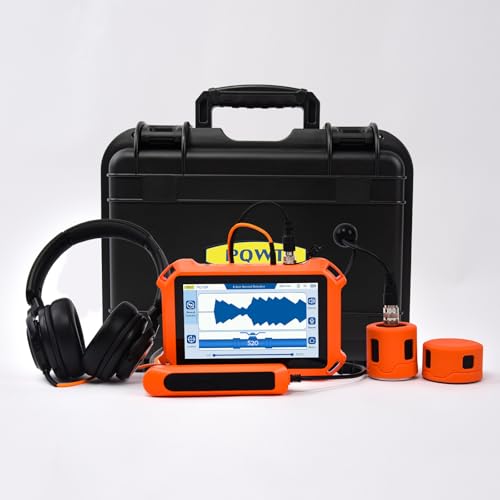
PQWT Underground Water Leak Detectors for Home PQ125A Wall Pipe Water Leakage Detection with Touchscreen Earphone and Carrying Case Multi Sensor Acoustic Pipeline Sound Intensifier
- User-Friendly Touchscreen Interface: Clear UI with operational guidance
- Multiple Detection Modes: General and location-specific leak detection
- Accurate Leak Localization: Pinpoints leak points precisely
As an affiliate, we earn on qualifying purchases.
As an affiliate, we earn on qualifying purchases.