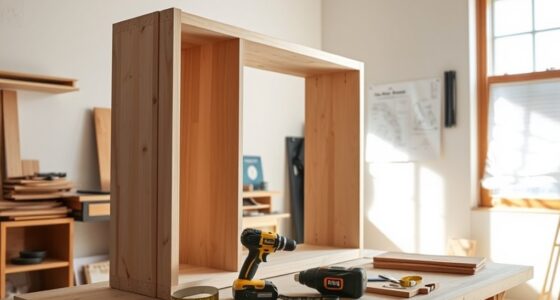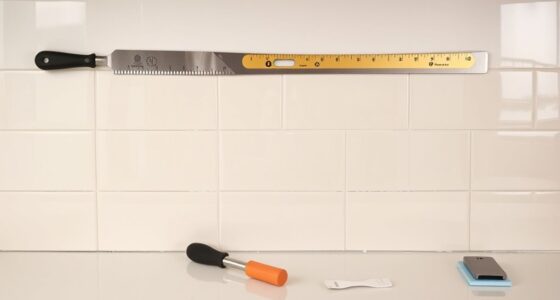
To quickly upgrade your windows, gather essential tools like a drill, level, measuring tape, screwdriver, and stud finder. Measure carefully, mark your spots, and securely attach brackets into wall studs or use anchors for drywall. Follow manufacturer instructions for blinds or curtain rods, and make certain everything is level and even. When installed correctly, your window treatments will look great and function smoothly. Keep going to discover tips for flawless installation and long-lasting results.
Key Takeaways
- Gather essential tools like drill, level, measuring tape, screwdriver, and stud finder before starting installation.
- Measure window dimensions accurately to ensure proper fit for curtains and blinds.
- Use a level to align brackets and prevent crooked installation for a polished look.
- Secure brackets into wall studs or use anchors for drywall to support weight and ensure stability.
- Follow manufacturer instructions carefully for a smooth, secure, and long-lasting window treatment setup.
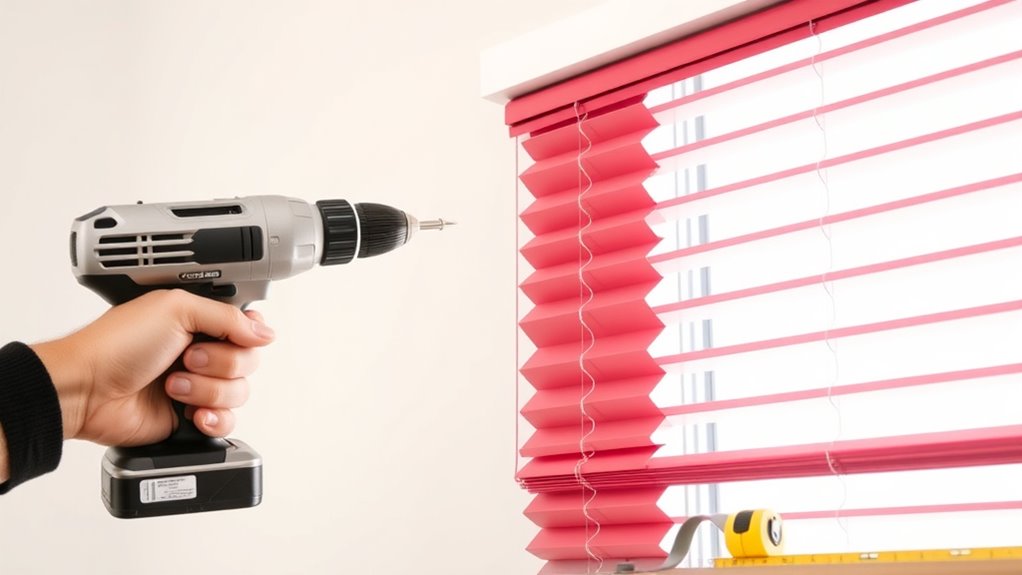
Installing curtain rods and blinds may seem straightforward, but doing it right guarantees they function properly and look great. When selecting curtain rod materials, you want to consider durability, style, and the weight of your curtains or blinds. Metal options like steel or aluminum are sturdy and long-lasting, perfect for heavy drapes or blackout blinds. Wood curtain rods, on the other hand, add a warm, classic touch to your decor and can support medium-weight curtains. For a sleek, modern look, plastic or acrylic rods work well, especially for lighter fabrics. Choosing the right material ensures your window treatments stay secure and look polished over time.
Next, think about the types of blinds you’re installing, as different styles require specific mounting techniques and hardware. Venetian blinds, for example, are usually lightweight and easy to hang with standard brackets. Vertical blinds might need stronger support, especially if they’re made of heavier materials like wood or fabric. Roller blinds tend to be simple and minimalistic, often mounted directly onto the window frame or wall. Consider the weight and operating mechanism of your blinds when planning your installation, so you select the appropriate mounting brackets and hardware. This step is essential for guaranteeing smooth operation and longevity.
Before you start, gather the right tools—drill, level, measuring tape, screwdriver, and possibly a stud finder if you’re mounting into drywall or heavy materials. Measure your window carefully, noting the width and height, so your curtain rod or blinds fit perfectly. Mark the mounting points with a pencil, ensuring they’re level and evenly spaced. When installing curtain rods, make sure the brackets are secured into wall studs or use appropriate anchors if mounting into drywall. This prevents sagging or falling, especially if you plan to hang heavy curtains.
For blinds, follow the manufacturer’s instructions closely. Most come with mounting brackets that you attach directly to the wall or window frame. Use a level to ensure everything lines up perfectly; crooked installations can cause blinds to operate improperly or look uneven. Once your brackets are in place, slide the blinds or curtain rod into position, and double-check that everything moves smoothly and hangs evenly. Proper installation not only improves functionality but also enhances your room’s aesthetic appeal. Additionally, adjusting the contrast ratio of your lighting can further optimize the overall look of your window treatments.
Frequently Asked Questions
What Are the Best Curtain Rod Materials for Heavy Drapes?
For heavy drapes, you should choose curtain rods made of metal like steel or brass because they offer superior curtain rod durability. These materials can support more weight without bending or breaking. Additionally, they require minimal material maintenance, making them ideal for long-term use. You’ll find that metal rods provide stability and strength, ensuring your heavy drapes stay securely in place while maintaining their appearance over time.
How Do I Measure Window Dimensions Accurately?
To measure your window accurately, grab a measuring tape and note the width and height of the window frame. For curtain length, add extra inches for curtain fullness and proper rod placement—usually 4-6 inches beyond the frame on each side. Measure from the rod placement point to where you want the curtain to end, ensuring your curtains will hang beautifully and fit perfectly.
Can I Install Curtain Rods Without Drilling?
Yes, you can install curtain rods without drilling using damage-free options. These curtain rod alternatives include tension rods or adhesive hooks, which hold your curtains securely without damaging your walls. While they may not support heavy drapes, they’re perfect for lightweight fabrics. You avoid holes and mess, making quick upgrades simple and damage-free. Just measure your window, choose the right tension or adhesive rod, and follow the installation instructions for a smooth setup.
What Types of Blinds Are Easiest for Beginners?
You’ll find roller blinds and Roman shades easiest for beginners since they often come with simple installation instructions and minimal tools. For DIY tips, choose style options that suit your space and avoid complex mechanisms. These blinds typically require basic hardware and can be mounted with or without drilling, making your upgrade quick and manageable. Focus on clear instructions and the right hardware to guarantee a smooth, stress-free installation.
How Do I Prevent Damage to Walls During Installation?
Sure, you’ll want to treat your walls like royalty—gently. Use wall anchors to distribute the weight evenly and prevent damage. Carefully measure and mark drill points, avoiding studs unless needed. Softly tap in anchors and drill slowly to avoid cracking. Keep a level handy to ensure straight installation. By following these tips, you’ll prevent damage and enjoy your upgraded windows without any unintended wall scars.
Conclusion
Now that you’ve mastered installing curtain rods and blinds, your windows will never look the same — they’ll be transformed into stunning masterpieces in seconds! With just a few simple tools, you’ve revealed the secret to instant style upgrades that will have everyone wondering if you’re a professional interior designer. Get ready for endless compliments and jaw-dropping reactions — because once you’ve got these skills, your home’s style game will be unstoppable!