TL;DR

Get business pricing on tools and workshop supplies
- Business-only prices and quantity discounts
- Tax-exempt purchasing
- Multiple users, one account, clear invoices
Hunker reports on a DIY from the YouTube channel Glue Guns & Roses that raises Dollar Tree solar lights using painted wooden dowels. The source estimates the materials cost less than $5 per light, but gives no independent test of durability or lighting performance.
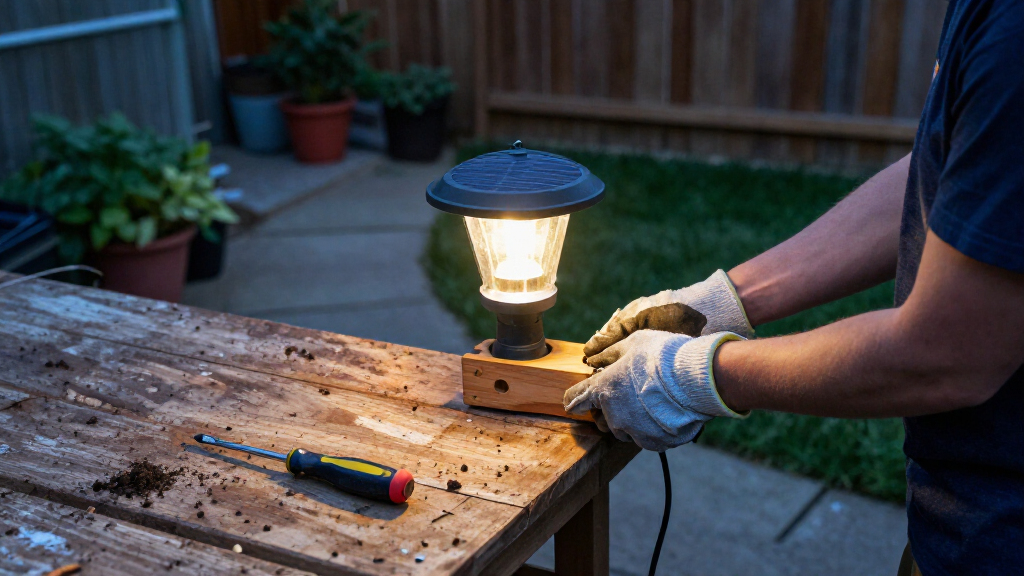
Hunker has featured a DIY outdoor-lighting project from the YouTube channel Glue Guns & Roses that raises Dollar Tree solar lights on painted wooden dowels. The report estimates that each finished light costs less than $5, offering a simple way to add height to garden or walkway lighting without buying taller fixtures.
The project pairs one wooden dowel with each solar light. Hunker says the dowel should have a smaller diameter than the open bottom of the light’s stake so it can fit inside without adhesive. Its example materials include Dollar Tree solar lights priced at about $1.50 each and a Hello Hobby wood dowel listed at $0.78; prices and product availability may vary.
For the basic version, the dowel is spray-painted black to match the traditional light stake. Hunker recommends using an outdoor spray paint that can protect the wood from rain and humidity. After painting, the dowel should dry for at least 20 minutes before installation, according to the report.
The dowel is pushed into the ground, with at least one-third below the surface for stability, and the solar light is placed over its exposed end. Hunker advises watering hard ground to soften it before inserting the stake. The report also suggests painting the supports brighter colors or placing the lights in decorative display boxes; it credits Glue Guns & Roses with an example using inverted stemless glasses.
A Low-Cost Way to Add Height
The project addresses a practical limitation of small solar stake lights: their low height can make them less visible among plants or along a path. Extending the fixture with a dowel may make the lights easier to position above low greenery, while letting homeowners reuse inexpensive solar lights they already own.
At the reported prices, the materials offer a low-cost alternative to purchasing taller landscape fixtures. The approach also allows changes to color and placement, though the article does not provide performance testing. The cost estimate does not establish how long the paint or wood will last outdoors, or whether the added height will affect the light’s stability in different soil and weather conditions.
Products Worth Considering

Philips Hue Bridge Pro Smart Lighting Hub

Sonos Era 100 Wireless Smart Speaker, Black

Dyson Car+Boat Cordless Handheld Vacuum
As an affiliate, we earn on qualifying purchases.
How the Dowel Fits the Light
Dollar Tree solar lights are small, self-contained fixtures with a stake that is normally pushed directly into the ground. The DIY uses a narrow wooden dowel as an extension: the dowel goes into the soil, and the light’s open stake slips over the top. Hunker says the pieces should fit together without glue or other bonding materials.
The source describes the lights as costing around $1.50 each and notes that styles can change seasonally. It gives Halloween solar stake lights as one example of an alternative design. The price and availability figures are those reported by Hunker, not a guarantee of current stock or pricing at every store.
“You won’t need any adhesive or bonding materials to stick the pieces together, as the dowel rod should fit inside the solar light stake.”
— Hunker, describing the method
Durability and Current Prices
The report does not say how the modified lights perform over time, whether the dowels withstand prolonged exposure to moisture, or how well the unglued connection holds in wind or loose soil. It also does not provide measurements of the finished lights’ height or compare their brightness with unmodified fixtures.
Current store prices and stock are not confirmed in the source material. Hunker’s under-$5 estimate depends on its cited item prices and does not specify whether it includes tax, tools, or leftover paint. Readers should check product labels for outdoor suitability and follow the manufacturer’s instructions.
Check Fit Before Installing
Anyone following the idea will need to confirm that the dowel fits inside their particular solar light stake, since the report does not give a universal dowel diameter. They can then choose an outdoor-rated paint, allow it to dry as directed, and test the finished assembly in the intended soil before arranging several lights along a path or around a garden.
No product launch, retailer change, or follow-up test is announced in the source. For now, the development is a reported DIY suggestion; its actual cost and long-term performance depend on the products used and outdoor conditions.
Key Questions
What does the solar-light DIY involve?
It uses a painted wooden dowel as an extension. The dowel is pushed into the ground, then the solar light’s stake is fitted over its exposed end.
How much does each upgraded light cost?
Hunker estimates less than $5 per light, citing solar lights at about $1.50 and a wood dowel at $0.78. Those are source-reported prices and may not reflect current local prices.
Do the dowel and light need to be glued together?
According to Hunker, no adhesive is needed if the dowel fits inside the solar light stake. The report does not test how securely that fit holds in different conditions.
How deep should the dowel go into the ground?
Hunker recommends placing at least one-third of the dowel below ground. It suggests watering hard soil first to make insertion easier.
Will the modified lights last longer or shine brighter?
The source does not report durability or brightness tests. It presents the dowel as a way to raise and restyle the lights, not as a change to their solar or lighting performance.
Source: rss