If you need to tackle stubborn dirt, mold, or large surfaces like driveways and siding, a pressure washer is a smart choice. It delivers high power that makes heavy-duty cleaning faster and more effective. But if you’re only watering plants or cleaning small areas gently, a garden hose works fine. To decide what fits your needs best, look at your cleaning tasks and surfaces—more details will help you choose wisely.
Key Takeaways
- Use a pressure washer for heavy-duty cleaning like driveways, siding, and mold removal; hoses are better for light tasks and delicate surfaces.
- Pressure washers save time and effort on large or stubborn stains but are more costly and require proper maintenance.
- Garden hoses are cost-effective, easier to handle, and ideal for small, light cleaning or watering tasks.
- Select a pressure washer if surface durability and stubborn grime demand high pressure; opt for a hose for gentle, targeted cleaning.
- Assess your cleaning needs to determine if a pressure washer’s power and versatility are necessary or if a hose suffices.
Understanding the Basic Differences Between Pressure Washers and Garden Hoses
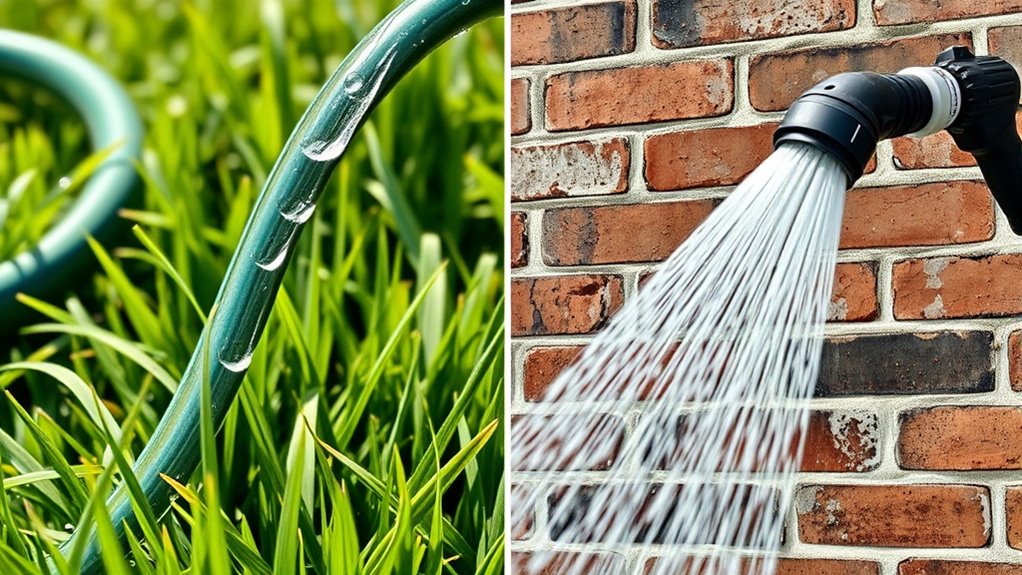
While both pressure washers and garden hoses are designed to deliver water for cleaning tasks, they serve very different purposes. A garden hose provides low water pressure, making it suitable for watering plants and light cleaning. In contrast, a pressure washer delivers high water pressure, which quickly removes stubborn dirt and grime. Understanding this difference helps you determine which tool fits your needs. Additionally, water pressure impacts equipment maintenance; pressure washers require proper care to prevent damage from excessive pressure or debris. Regularly inspecting hoses, nozzles, and connectors ensures ideal performance and longevity. Proper equipment maintenance is essential for ensuring the longevity and optimal performance of your cleaning tools. Knowing how to properly operate your pressure washer also helps avoid unnecessary wear and tear, extending its lifespan. Proper pressure regulation is crucial for safe and efficient cleaning, preventing damage to surfaces and equipment.
When to Choose a Pressure Washer for Home Cleaning Tasks
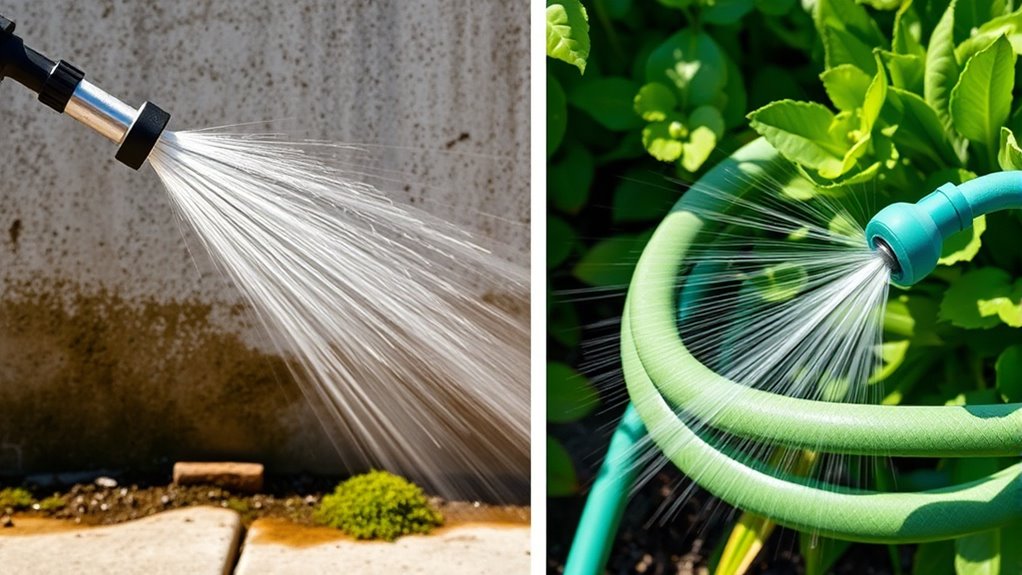
If your cleaning involves heavy dirt and stubborn stains, a pressure washer can make the job easier. It’s ideal for removing built-up grime from driveways, siding, or outdoor furniture. When tackling tough cleaning tasks, a pressure washer is often the most effective choice. Additionally, for eco-friendly natural pool maintenance, a pressure washer can help clean surfaces without relying heavily on chemicals. Incorporating professional services techniques can also be beneficial for ensuring thorough cleaning and safety when using high-pressure equipment near sensitive ears. Understanding hydraulics principles can help optimize pressure and flow for better results and equipment longevity. Moreover, understanding the energetic alignment between your equipment and cleaning environment can enhance the efficiency and safety of your cleaning process.
Dirt and Grime Removal
When tackling stubborn dirt and grime on your home surfaces, a pressure washer often proves to be the most effective tool. It delivers high-powered water jets that excel at dirt removal, especially on tough surfaces like concrete or brick. If your garden hose struggles to clean heavily stained areas, a pressure washer provides the extra force needed to lift grime without scrubbing endlessly. Use a pressure washer for cleaning driveways, siding, and decks where dirt is ingrained and needs powerful removal. Keep in mind, the right nozzle and pressure setting are key for effective cleaning without damage. Here’s a quick comparison:
| Cleaning Task | Tool Recommendation | Effectiveness |
|---|---|---|
| Light dirt on plants | Garden hose | Moderate |
| Heavy grime on surfaces | Pressure washer | High |
| Stubborn stains | Pressure washer with appropriate nozzle | Very high |
| Routine cleaning | Garden hose | Sufficient |
Heavy-Duty Cleaning Tasks
Heavy-duty cleaning tasks call for the power and efficiency of a pressure washer. When you’re tackling large, stubborn grime on surfaces like driveways, decks, or industrial equipment, a pressure washer’s high water pressure delivers the deep clean you need. Ordinary hoses lack the force required to remove caked-on dirt or mold from tough surfaces, making a pressure washer the ideal choice. Its ability to generate significant water pressure means you can clean faster and more thoroughly, saving time and effort. For heavy-duty tasks involving concrete, brick, or rusted metal, a pressure washer provides the necessary strength. If your project demands industrial equipment performance, a pressure washer is your best solution for efficient, effective cleaning on a large scale.
Stubborn Stain Elimination
Stubborn stains on your home’s surfaces often require the powerful solution that a pressure washer provides. When cleaning tough grime or mildew, a pressure washer can be more effective than a hose alone. Consider these signs to determine if you need one:
- The stain resists chemical cleaners and traditional scrubbing.
- You need higher water temperature to loosen grime.
- The surface is heavily soiled, like an old driveway or stained siding.
- Using the right tip size can significantly improve the efficiency and quality of your cleaning tips.
- The surface’s material is durable enough to withstand high pressure without damage, ensuring a safe cleaning process proper maintenance.
- Additionally, understanding pressure ratings can help you select the appropriate equipment for your specific cleaning tasks, preventing damage and ensuring efficiency. Properly maintaining your pressure washer, including regular inspection and cleaning, also extends its lifespan and maintains optimal performance equipment care.
Situations Where a Garden Hose Might Suffice
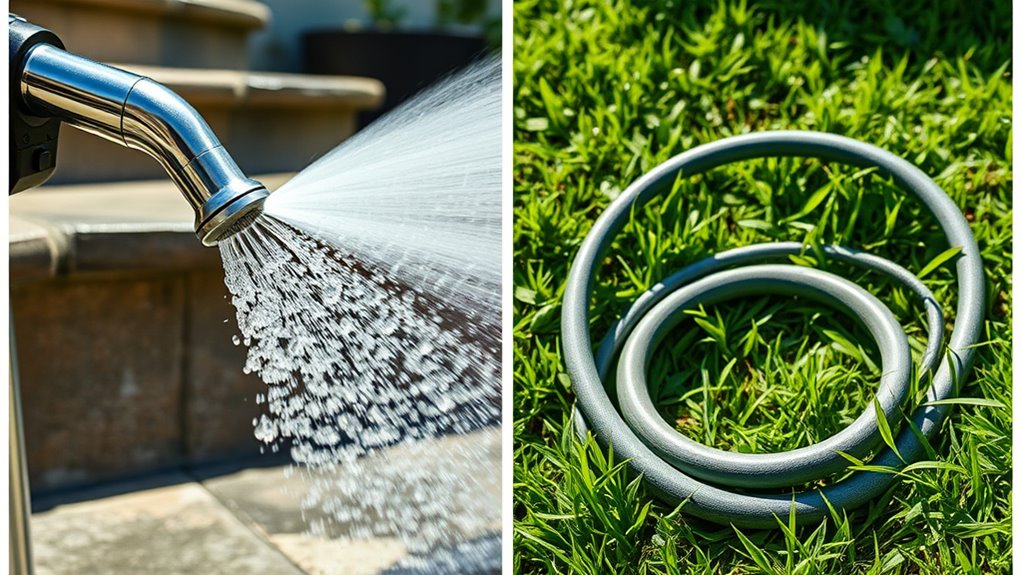
For small cleaning tasks or when working on limited surface areas, a garden hose can be enough. If you only need gentle water pressure to rinse off dirt or dust, it’s a practical choice. In these situations, a pressure washer might be unnecessary and even overkill. Additionally, for certain home cleaning techniques, a garden hose provides sufficient control without the complexity of advanced equipment. When used properly, a garden hose can save time and effort for routine outdoor cleaning. Moreover, understanding water pressure and flow rates helps determine whether a hose meets your specific cleaning needs without requiring a power washer. Recognizing the limits of water pressure can prevent unnecessary expenditure on equipment that exceeds your actual cleaning requirements. Being aware of water source capacity ensures you don’t run out of water mid-cleaning session.
Light Cleaning Tasks
When you need to quickly rinse off a patio or wash your car’s exterior, a garden hose often does the job just fine. For light cleaning tasks, a hose provides enough pressure without overwhelming surfaces, helping you maintain your garden aesthetics. It’s also a water-efficient choice, supporting water conservation efforts. Here are three situations where a hose is ideal:
- Rinsing off outdoor furniture or decking
- Washing your car or bike
- Watering plants and flower beds
Additionally, a hose allows for precise water control which is important for delicate cleaning tasks. These tasks require gentle, targeted water flow that a garden hose delivers easily. You don’t need a power washer for such simple chores, making your cleaning routine more efficient and eco-friendly.
Small Surface Areas
In many cases, a garden hose is more than capable of handling small surface areas efficiently. For tasks like cleaning patio furniture, garden tools, or a small outdoor table, a hose provides sufficient water pressure without risking surface damage. Using a garden hose helps protect delicate surfaces from potential damage caused by high-pressure washers. Additionally, a hose promotes water conservation, allowing you to control the flow easily and avoid excess water use. For quick, light cleaning jobs, it’s practical, cost-effective, and environmentally friendly. You don’t need the extra power of a pressure washer when dealing with limited areas, especially when surface protection and water efficiency are priorities. The appropriate cleaning tools for each task ensure you protect your surfaces while maintaining efficiency. When considering industry trends, understanding the capabilities of basic equipment can help you make smarter decisions about your cleaning methods.
Gentle Water Pressure
A garden hose often provides enough gentle water pressure for many household cleaning tasks, especially when you need to avoid damage to delicate surfaces. With good pressure control, you can adjust the water flow to suit the task, preventing unnecessary harm. Consider these situations where a hose might suffice:
- Washing delicate plants or flowers without damaging them.
- Rinsing outdoor furniture or light dirt from windows.
- Cleaning cars or bikes gently without high-pressure jets that could scratch surfaces.
Having proper pressure regulation tools can help you fine-tune water flow for these tasks, ensuring effective cleaning without risking surface damage. Additionally, understanding the pressure and flow control features of your garden hose can optimize your cleaning results, and mastering these adjustment techniques can help you get the most out of your hose. Proper pressure management also minimizes water waste and improves safety during cleaning tasks. Being aware of suitable cleaning techniques can further enhance your efficiency and protect your surfaces from unintended harm.
Cost Considerations: Budgeting for Power Tools vs. Simpler Equipment
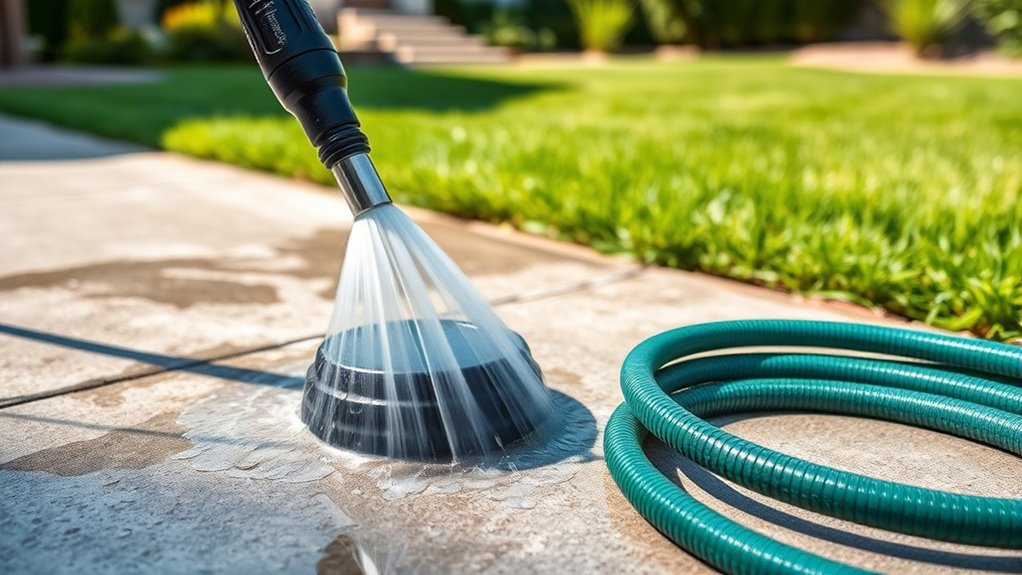
Budgeting for a pressure washer or hose involves weighing upfront costs against long-term expenses. A thorough cost comparison helps you determine which option fits your budget planning. Power washers typically have higher initial prices but can save you money over time by reducing cleaning effort and water usage. On the other hand, hoses are cheaper upfront, making them ideal for occasional or light-duty tasks. Consider maintenance costs, such as replacing parts or repairing equipment, as these can add up with power washers. If you plan to use your cleaning tools frequently, investing in a power washer might pay off. Proper home energy management practices, such as adjusting water pressure and utilizing efficient cleaning techniques, can also impact overall costs. However, if your needs are minimal, a simple garden hose is a more economical choice. Weigh these factors carefully to align your purchase with your budget and cleaning needs.
Ease of Use and Portability: Which Option Is More Convenient?
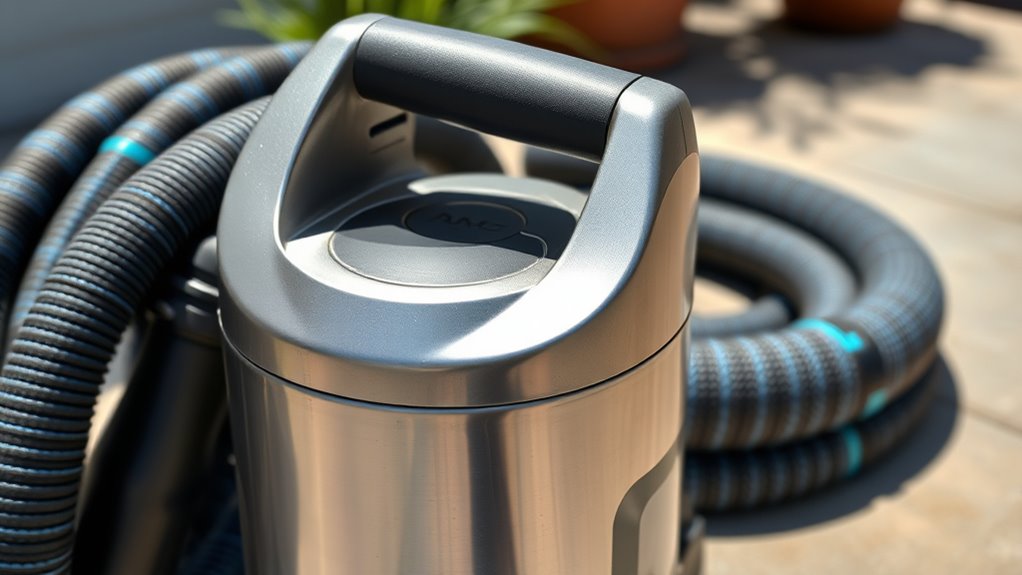
When considering ease of use and portability, it’s important to recognize how these factors influence your overall experience with cleaning tools. A hose is lightweight, easy to move around, and fits into garden storage without fuss. In contrast, a pressure washer is bulkier and requires more effort to transport, especially if you need to relocate it frequently. Here are three key points:
- Hoses are simple to connect and disconnect, saving time and effort.
- Pressure washers, while powerful, often need a dedicated space for storage.
- Water consumption varies; hoses use less water, making them more convenient for quick jobs.
Effectiveness on Different Surfaces and Types of Dirt
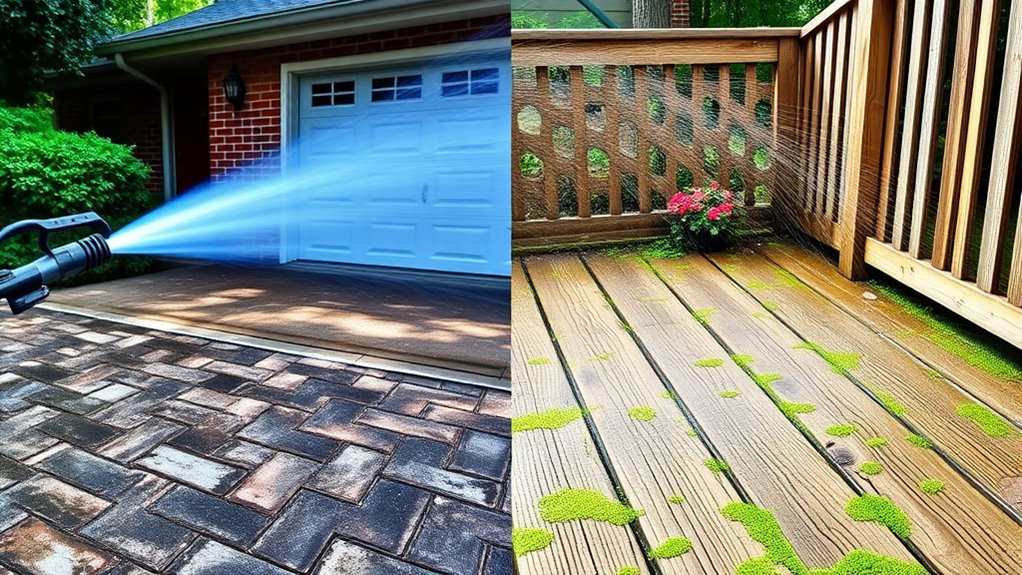
Pressure washers excel at removing stubborn dirt and grime from tough surfaces like concrete, brick, and heavily stained decks. Their high pressure effectively tackles different dirt types, from mud to mold, without damaging delicate surfaces. However, surface durability matters; too much pressure can harm softer materials like wood or painted surfaces. For instance, a gentle hose may work better for fragile siding, while a power washer excels on concrete or unpainted brick. Use the table below to compare effectiveness:
| Surface Type | Dirt Type | Recommended Tool |
|---|---|---|
| Concrete & Brick | Mud, mold, stains | Pressure washer |
| Wooden Decks | Dirt, algae | Pressure washer or hose |
| Painted Surfaces | Dirt, grime | Hose or low-pressure wash |
Choosing the right tool depends on surface durability and dirt type.
Making the Right Choice for Your Home and Maintenance Needs

Choosing the right cleaning tool depends on your specific home and maintenance needs. To make an informed decision, consider these key factors:
- The types of surfaces you’ll clean, like patios or siding, which may require a power washer or gentle garden tools.
- Your gardening routines, such as watering plants or maintaining garden beds, where a hose with proper attachments might suffice.
- Your overall maintenance goals, balancing convenience with efficiency, to determine if a power washer saves time or if a hose and garden tools are enough.
If your focus is on maintaining your outdoor space and watering plants, a hose with attachments might be perfect. For tougher grime or larger areas, a power washer could be worth the investment.
Frequently Asked Questions
Can a Garden Hose Replace a Pressure Washer for Stubborn Stains?
A garden hose can’t replace a pressure washer for stubborn stains because of its limitations in water pressure. While hoses are handy for light cleaning, they lack the stain removal effectiveness of a power washer. The low pressure makes it difficult to blast away tough grime, mold, or deep-set dirt. For stubborn stains, you’ll need the higher pressure of a power washer to achieve thorough cleaning results.
What Safety Precautions Should I Take When Using a Pressure Washer?
Imagine the pressure washer’s force like a thunderstorm—powerful and unstoppable. To stay safe, wear proper personal protective equipment, including goggles, gloves, and sturdy boots, to shield against flying debris. Always check electrical safety by ensuring the outlet is grounded and dry, and never operate the washer near water sources. Follow the manufacturer’s instructions carefully, and keep a safe distance from your work surface to prevent accidents.
How Long Does It Typically Take to Clean a Large Driveway With Each Tool?
Cleaning a large driveway typically takes about 30 minutes to an hour with a pressure washer, depending on its power and your effort estimation. Using a garden hose might take twice as long or more, as you’ll need to spend extra time scrubbing and rinsing. The pressure washer’s efficiency reduces cleaning time markedly, making it a better choice if you’re aiming for quicker, more thorough results with less effort.
Are There Environmental Impacts to Consider With Pressure Washers Versus Hoses?
You should consider environmental impacts like water consumption and chemical runoff. Pressure washers use more water per minute, which can waste resources if not managed properly, but they often require fewer chemicals. Hoses typically use less water, yet may need more cleaning agents. Be mindful of chemical runoff from both tools, especially when cleaning surfaces near lawns or drains, to prevent pollution and protect your local environment.
What Maintenance Is Required to Keep a Pressure Washer in Good Condition?
To keep your pressure washer in good shape, you should regularly lubricate the equipment, especially moving parts and seals, to prevent rust and guarantee smooth operation. After use, follow proper storage practices by draining water, disconnecting hoses, and storing it in a dry, sheltered place. Check for any leaks or damage, and clean filters to maintain peak performance. Regular maintenance extends your pressure washer’s lifespan and keeps it ready whenever you need it.
Conclusion
Choosing between a pressure washer and a garden hose depends on your cleaning needs. Did you know that pressure washers can cut cleaning time by up to 75%? If you frequently tackle tough grime or large surfaces, investing in a power washer could save you hours. However, for light chores, a simple hose works just fine. Assess your tasks, budget, and convenience to make the best decision for your home.