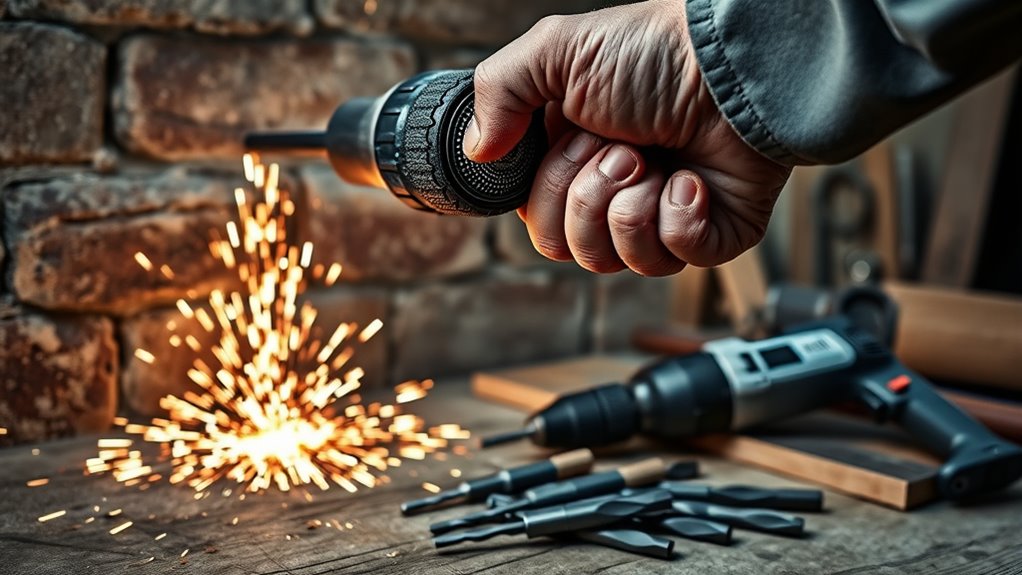
Choose a regular drill for softer materials like wood, drywall, or plastics, especially for household tasks and precision work. Opt for a hammer drill when you need to drill into tougher surfaces like concrete, brick, or masonry, as it combines rotary motion with percussive pounding for heavy-duty jobs. Understanding your project’s material and scope helps you pick the right tool. Keep going, and you’ll discover when each drill truly shines.

Get tools and workshop supplies delivered free — and shop member deals
- Fast, free delivery on millions of items
- Access to Prime Big Deal Days deals on October 6–7
- Prime Video, Amazon Music and more included
Key Takeaways
- Use a regular drill for soft materials like wood, drywall, and plastics, where precision and light-duty work are needed.
- Choose a hammer drill for drilling into hard surfaces such as concrete, brick, or stone, especially in masonry projects.
- Opt for a regular drill for small tasks like hanging pictures or assembling furniture to ensure control and accuracy.
- Use a hammer drill for heavy-duty construction or remodeling tasks involving dense materials requiring more power.
- Select a regular drill to avoid unnecessary noise, weight, and cost when working on lighter, softer projects.
As an affiliate, we earn on qualifying purchases.
Differences in Design and Mechanism
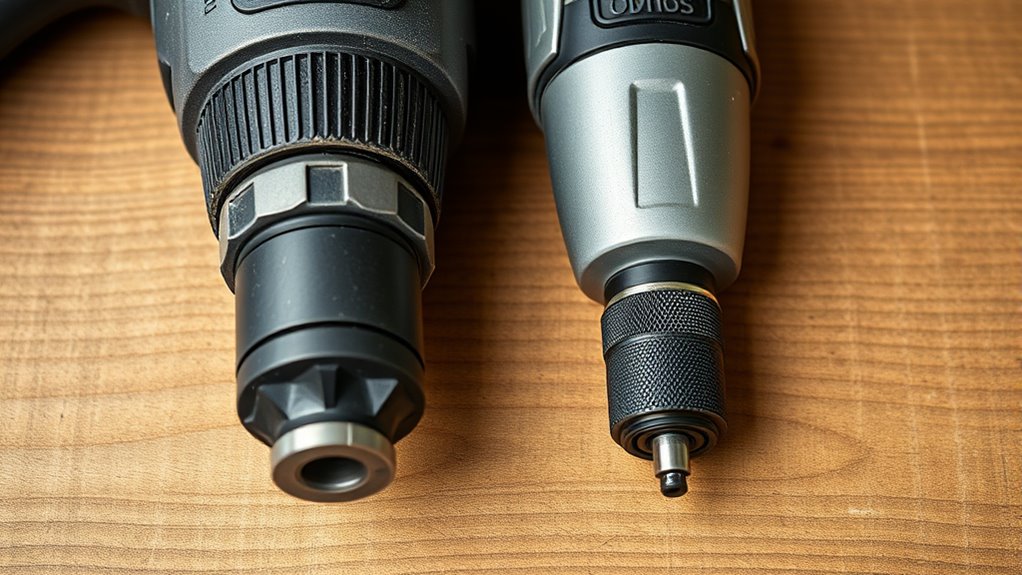
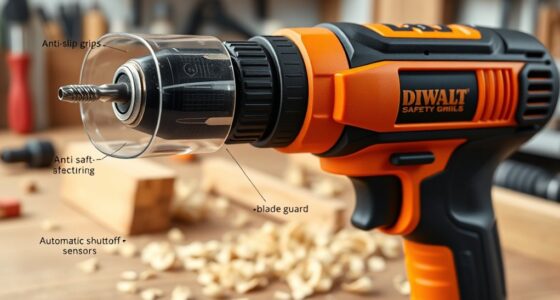
While both hammer drills and regular drills are handheld power tools, their designs and mechanisms differ considerably. The drill chuck design is a key difference; regular drills typically have a standard keyless or keyed chuck for quick bit changes, while hammer drills often feature a more robust chuck to handle heavy-duty bits. The motor mechanism also varies: regular drills usually have a simple rotary motor providing continuous rotation, whereas hammer drills combine this with a pulsating hammering action. This hammering mechanism involves a piston or cam that delivers rapid, percussive blows, making them suitable for tougher materials. Additionally, mechanical design plays a vital role in the durability and performance of each tool, particularly when used in demanding environments. The performance capabilities of hammer drills are enhanced by their specialized design, allowing them to tackle concrete and masonry with ease. Understanding these design distinctions helps you choose the right tool for your project, ensuring efficient performance whether drilling into wood, metal, or concrete.
lightweight cordless drill for woodworking
As an affiliate, we earn on qualifying purchases.
As an affiliate, we earn on qualifying purchases.
Suitable Materials for Drilling
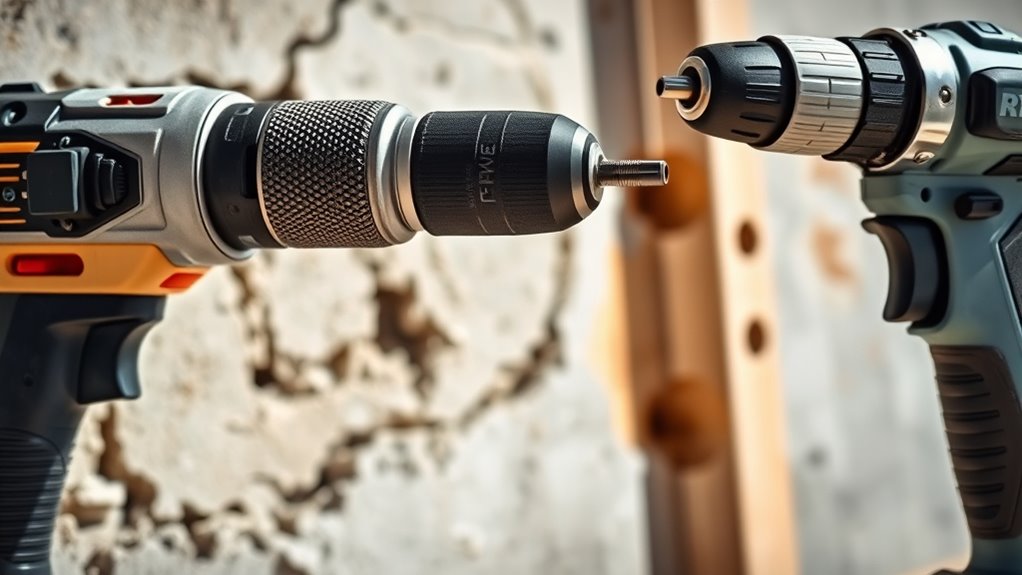
Hammer drills and regular drills are suitable for different materials, depending on their design and power. If you’re working on wall mounting projects, a hammer drill is ideal for drilling into tougher surfaces like brick or concrete. Its hammering action helps break through hard materials, making it perfect for masonry walls. On the other hand, a regular drill works well for softer materials such as wood and drywall, which are common in furniture assembly. When drilling into wood for shelves or assembling furniture, a standard drill provides precision without damaging the material. Understanding the material properties is essential for choosing the correct drill and ensuring safety during operation. Additionally, considering the drilling technique can improve efficiency and prevent damage to the surface. Recognizing material properties and selecting the appropriate drill type is crucial for achieving optimal results and maintaining safety during drilling tasks. Using the right drill also helps in preventing tool damage, which can save time and money in the long run.
heavy-duty hammer drill for concrete
As an affiliate, we earn on qualifying purchases.
As an affiliate, we earn on qualifying purchases.
Types of Projects Best Suited for Each Tool
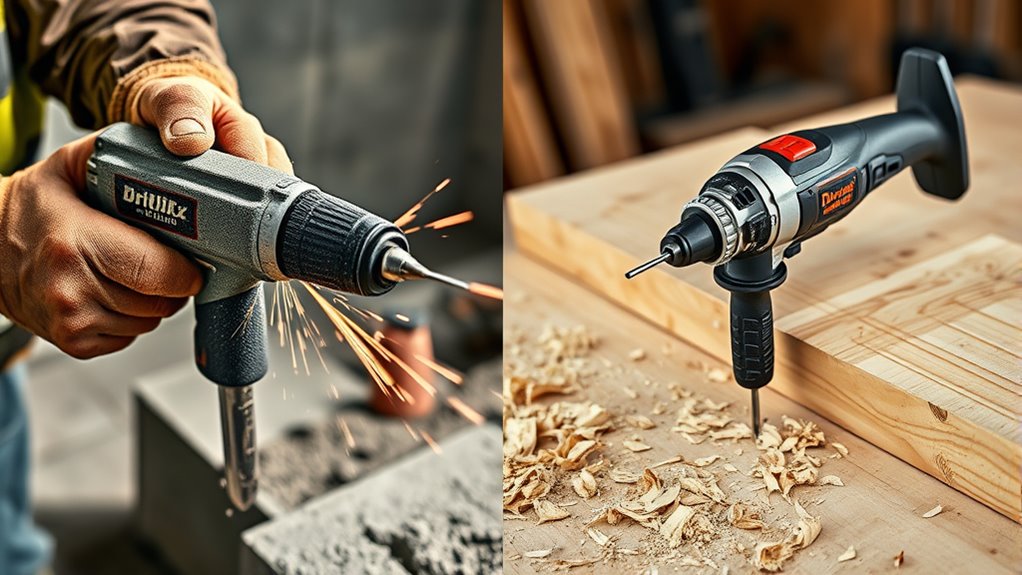
Choosing the right drill depends on the specific project you have in mind. For small, light tasks, a regular drill is ideal, especially if you’re new and prioritizing user experience. It handles tasks like hanging pictures or assembling furniture with ease. Larger projects requiring more power, like drilling into dense wood or framing, benefit from a hammer drill’s strength. To visualize, consider this table:
| Project Type | Recommended Drill |
|---|---|
| Hanging lightweight items | Regular drill |
| Assembling furniture | Regular drill |
| Drilling into dense wood | Hammer drill |
| Installing shelves | Hammer drill |
| Heavy-duty construction | Hammer drill |
This helps you match project size and difficulty with the appropriate tool for efficient results. Understanding the different types of drills can also guide your selection process for optimal performance, especially since the types of projects each drill can handle vary significantly.
As an affiliate, we earn on qualifying purchases.
Drilling in Masonry and Concrete

When you need to drill into tough materials like masonry or concrete, selecting the right tool makes all the difference. A hammer drill is ideal because it combines rotary motion with a pounding action, making it easier to penetrate these surfaces. Verify your drill has a magnesium alloy chuck for durability and lightweight handling. Always wear safety glasses to protect your eyes from debris and dust generated during drilling. Using the correct masonry bits, like carbide-tipped ones, enhances efficiency and lifespan. Avoid regular drills, as they lack the pounding force needed for concrete and masonry. With a hammer drill, you’ll work more safely and effectively, reducing fatigue and preventing damage to your tools. Proper gear and technique ensure successful drilling into these tough materials. Additionally, choosing trendy dog sweaters can make your pet look festive during the holidays. When working with masonry, paying attention to drill bit quality can significantly impact your results and tool longevity. Furthermore, understanding load‑planning tools can help you determine the appropriate drill settings and avoid overworking your equipment. Incorporating the right drilling techniques can also improve precision and reduce wear on your tools. Being aware of drill maintenance practices can extend the life of your equipment and ensure consistent performance.
Drilling in Wood and Metal

When drilling in wood and metal, you’ll want to contemplate the material’s hardness to choose the right drill and settings. Make sure your drill bits are compatible with these materials to avoid damage or breakage. Also, assess whether you need more power and control, as different drills handle these tasks more effectively. Additionally, understanding the affiliated relationship between the tools and brands can help you select the most reliable equipment for your projects. For optimal results, consider the compatibility of drill bits with your specific materials and project requirements. Recognizing the application-specific features of different drills can further enhance your efficiency and safety during the task. Being aware of regional variations in tools and materials can also influence your choice, especially when working in diverse environments or with specific local resources. Being mindful of tool performance in various conditions ensures your project proceeds smoothly and safely.
Material Hardness Considerations
Material hardness plays an essential role in determining whether a hammer drill or a regular drill is more suitable for your task. When working with softer materials like wood or thin metal, a regular drill usually suffices, as it handles these materials without excessive force. For harder materials, such as thick metal or dense hardwood, you need to consider material hardness considerations carefully. Using a hammer drill on soft materials can cause unnecessary damage, while a regular drill may struggle with tough surfaces. Additionally, drill bit compatibility is imperative; make sure your bits are designed for the material’s hardness to prevent breakage or damage. Selecting the right drill based on material hardness will improve efficiency and protect your tools, ensuring a smoother, safer drilling experience. Vetted – Perfect Fit Living Proper technique and understanding the power tool features can significantly influence your drilling success. Recognizing the material’s hardness level before starting can help prevent tool damage and improve overall results. Being aware of material hardness can also guide you in choosing the appropriate drilling speed and pressure for optimal performance. Understanding the impact of material density can further optimize your drilling approach and extend the lifespan of your tools.
Drill Bit Compatibility
Choosing the right drill bits for wood and metal is essential to achieve clean, efficient results and prevent damage. Drill bit compatibility is key; not all bits fit every drill, so verify your bits match your drill’s chuck size and type. For wood, standard twist bits work well, but for metal, high-speed steel or cobalt bits provide durability. Confirm accessory compatibility before purchasing or switching bits—using incompatible accessories can lead to poor performance or damage. Additionally, some drills require specific shank types, so confirm that your bits have the correct shank for your drill’s chuck. Properly matched drill bit and accessory compatibility ensure smooth operation and a clean, precise finish, whether you’re drilling into wood or metal. Understanding drill specifications helps ensure you select the appropriate bits and accessories for your projects.
Power and Control Needs
The power and control features of a drill considerably impact its performance when working with wood and metal. If you value cordless convenience, a cordless drill offers portability and ease of maneuvering, making it ideal for lighter tasks. However, for more demanding projects, corded power provides consistent, high torque essential for drilling through tough materials. When working on delicate wood or precise metal work, control becomes vital; variable speed settings help you adjust power smoothly, preventing damage. A regular drill with corded power often delivers steady, reliable performance, while a cordless model offers flexibility but may lack the sustained power needed for heavy-duty tasks. Choose based on your project’s scope—balance convenience with the control you need for optimal results. Understanding drill types and features can help you make the best choice for your specific needs.
Speed and Power Considerations

While both hammer drills and regular drills offer impressive speed and power, their performance differs markedly depending on the task. Your drill bit selection plays a key role—hammer drills excel with masonry and tougher materials, requiring high torque and rapid speeds. Regular drills provide steady, controlled power suited for wood or metal. Consider whether you’re using a corded or cordless model; corded drills typically deliver consistent, higher power, ideal for demanding jobs, while cordless drills offer portability with slightly reduced power. Speed settings influence your work quality—higher speeds suit drilling into softer materials, while lower speeds are better for precision. Understanding these factors helps you choose the right tool, ensuring you get the necessary power and speed for each project.
Handling and Ease of Use

When choosing between a hammer drill and a regular drill, handling and ease of use are key factors. You’ll notice differences in weight and how comfortable they feel during extended use, especially with ergonomic design. Additionally, operation complexity varies, so consider which tool feels more intuitive for your projects.
Weight and Ergonomics
Hammer drills tend to be heavier and bulkier than regular drills, which can make handling them more tiring during extended use. Their weight and size often challenge your grip and posture, impacting overall comfort. An ergonomic design helps mitigate fatigue by ensuring controls are accessible and the grip fits comfortably in your hand. Good weight distribution is essential; a well-balanced hammer drill reduces strain on your wrist and arm, allowing for better control and less fatigue. When choosing a tool, consider how the weight feels during prolonged use and whether the design supports your natural hand position. Ultimately, a lightweight, ergonomically designed drill makes your work easier, helping you maintain precision without unnecessary discomfort.
Operation Complexity
Handling and operating a hammer drill can be more complex than using a regular drill because of its additional features and heavier build. The operation complexity requires you to understand different modes, such as drilling and hammering, which may be confusing for beginners. Your user skill level plays a significant role; if you’re experienced, you’ll find it easier to switch between functions and control power. However, if you’re new to power tools, managing the extra settings and handling the weight might be challenging. The complexity extends to safety precautions, as improper use can cause accidents or damage. Overall, a hammer drill demands more attention and familiarity, making it less intuitive than a regular drill, especially for those unfamiliar with its multiple functions.
Compatibility With Drill Bits and Attachments
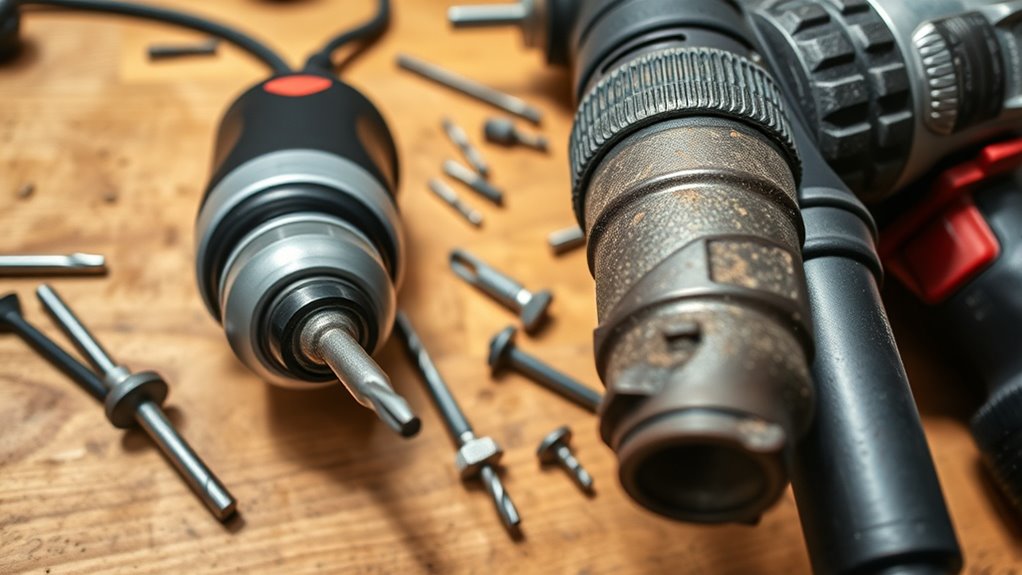
Compatibility with drill bits and attachments is a key factor to contemplate when choosing between a hammer drill and a regular drill. Hammer drills typically support a wider range of attachment options, including SDS bits designed for heavy-duty tasks like masonry work. This means you’ll likely need specific drill bit compatibility to handle tougher materials effectively. Regular drills, on the other hand, usually accommodate standard chuck bits, making them suitable for lighter tasks such as woodworking or metal drilling. Consider the attachment options available for each tool to ensure they meet your project needs. If you require versatility with different drill bits and attachments, a regular drill might suffice. However, for more demanding applications, investing in a hammer drill with specialized attachment compatibility is often the better choice.
Safety Precautions and Best Practices
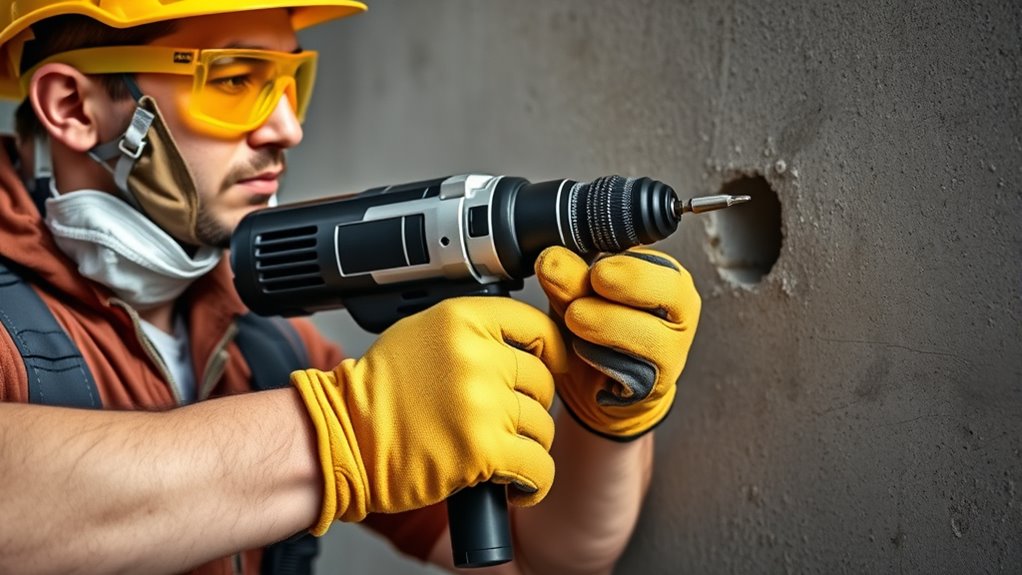
Before you start drilling, make sure you wear proper protective gear like safety glasses and gloves to shield yourself from debris. Always follow safe operation techniques, such as securing your workpiece and handling the drill firmly. These precautions help prevent accidents and guarantee you work efficiently and safely.
Proper Protective Gear
Are you aware of the essential protective gear needed when operating a drill? Wearing proper personal protective gear is vital for your safety. It helps you follow safety precautions and minimizes injury risks. First, always wear safety goggles to protect your eyes from flying debris or dust. Second, use hearing protection like earplugs or earmuffs to prevent hearing damage, especially during prolonged use. Third, don’t forget to wear sturdy gloves to improve grip and shield your hands from sharp edges or accidental slips. Additional items like a dust mask and a dust apron can also be beneficial depending on the materials you’re working with. Prioritizing the right safety gear ensures you stay protected and reduces the chance of accidents while drilling.
Safe Operation Techniques
To guarantee safe operation when using a drill, always follow established safety precautions and best practices. Begin by maintaining an ergonomic grip to control the tool effectively and reduce fatigue. Make certain your workspace is clear of hazards and wear your protective gear. Keep an eye on your battery life; a drained battery can cause sudden stops or loss of control. Before starting, check that the drill bits are securely fastened and appropriate for the material. Use both hands to stabilize the drill, especially when working for extended periods. Avoid forcing the tool; let the drill do the work to prevent accidents. Regularly inspect your drill for damage or wear. Following these safety techniques minimizes risks and promotes efficient, safe operation.
Cost and Availability Factors

When comparing costs, hammer drills generally come with a higher price tag than regular drills due to their specialized features and increased power. This cost comparison affects your purchasing decision, especially if budget constraints are tight. Availability issues can also influence your choice; hammer drills may be less common or harder to find in local stores, leading to longer wait times or higher prices online. Consider these factors:
- Hammer drills typically cost 30-50% more than regular drills.
- They may have limited availability in certain regions, especially for high-end models.
- Budget-friendly options for regular drills are more accessible and easier to find in stores and online.
Balancing cost and availability helps you pick the right tool for your needs without overspending or facing delays.
Frequently Asked Questions
Can I Convert a Regular Drill Into a Hammer Drill?
You can’t easily convert a regular drill into a hammer drill because of drill motor compatibility and power source considerations. Hammer drills have specialized mechanisms for impact action, which regular drills lack. Attempting a DIY conversion isn’t practical and could damage your tools or pose safety risks. Instead, assess your needs and invest in a dedicated hammer drill if you frequently work with hard materials like concrete or brick.
Which Drill Type Is Better for DIY Home Repairs?
For DIY home repairs, a regular drill is your best choice because it’s versatile for light tasks like drilling holes and driving screws. When planning your DIY projects, consider the power tool selection carefully—if you anticipate working with tougher materials like concrete or masonry, a hammer drill provides the necessary power. Overall, choose the drill that matches your project needs to guarantee efficiency and ease during your home repairs.
How Do I Know When to Upgrade My Drill?
Deciding to upgrade your drill depends on durability and battery compatibility. If your current drill struggles with tough tasks or the battery no longer holds a charge, it’s time to upgrade. You’ll want a more durable drill that handles heavy-duty jobs and features better battery compatibility for longer use. Don’t delay, upgrade when your tool’s performance pales or its power wanes, ensuring you keep productivity powerful and projects progressing smoothly.
Are Cordless Hammer Drills as Powerful as Corded Ones?
Cordless hammer drills can be quite powerful, but they generally don’t match corded ones in regarding power comparison. You’ll find that corded models deliver consistent, maximum power ideal for heavy-duty tasks. When considering cost analysis, cordless drills offer portability and convenience, but often at a higher price for comparable power. If you need long-lasting, intense performance, a corded hammer drill might be your best choice, especially for demanding projects.
What Maintenance Is Required for a Hammer Drill?
To keep your hammer drill in top shape, regularly clean the vents and check the chuck for wear. Pay attention to battery life, making sure you charge it properly and store the drill in a cool, dry place. Use appropriate storage solutions like a dedicated case to prevent damage. Regular maintenance ensures peak performance, extends your tool’s lifespan, and keeps it ready for any heavy-duty task you throw at it.
Conclusion
Choosing between a hammer drill and a regular drill is like selecting the right tool for your adventure. Think of the hammer drill as a powerful engine roaring through tough masonry, while the regular drill is your trusty companion for softer materials. By understanding their differences, you’ll navigate your projects with confidence, avoiding the pitfalls of mismatched tools. With the right choice, your craftsmanship becomes a smooth journey, turning raw materials into masterpieces with ease and precision.
Fall yard work Picks
leaf blowers
As an affiliate, we earn on qualifying purchases.