To make straight cuts with a circular saw, start by choosing the right model and blade for your project, ensuring they are compatible. Prepare your workspace with safety gear, secure your workpiece firmly, and set the saw’s depth and angle correctly. Use guides, jigs, and steady pressure to keep the cut straight. Follow safety guidelines throughout to avoid accidents. Keep learning more tips to perfect your technique and achieve cleaner, precise cuts.

Get business pricing on tools and workshop supplies
- Business-only prices and quantity discounts
- Tax-exempt purchasing
- Multiple users, one account, clear invoices
Key Takeaways
- Choose the right saw type and blade size for your project and material for accurate straight cuts.
- Secure the workpiece with clamps and set the saw’s depth and angle correctly before cutting.
- Use guides, jigs, or laser alignment tools to ensure straight, precise cuts.
- Maintain a steady hand, apply consistent pressure, and keep hands away from the blade for safety.
- Regularly inspect and maintain blades and saw components to ensure optimal performance and safety.
As an affiliate, we earn on qualifying purchases.
Understanding the Different Types of Circular Saws

When choosing a circular saw, understanding the different types available can help you pick the right tool for your project. Cordless models offer portability and convenience, making them ideal for jobs where mobility is key. They run on rechargeable batteries, so you’re not limited by cords, but they typically have less power and shorter run times. On the other hand, corded options provide consistent power and longer operation, perfect for larger or more demanding tasks. Corded saws tend to be heavier and require an outlet, but they deliver more torque and stability. Your choice depends on your project size, power needs, and workspace. Both types come with various features, so consider how you’ll use the saw before making a decision. Additionally, understanding power sources can help you select a saw that matches your specific needs and ensure you’re prepared for different work environments. Moreover, considering energy efficiency can contribute to more sustainable and cost-effective tool operation over time. Selecting the right circular saw type also involves evaluating your skill level and comfort with handling different models to ensure safety and precision during use. Being aware of safety features can further help you operate your saw confidently and avoid accidents. It’s also helpful to explore blade compatibility, as different projects may require specific blade types for optimal results.
best blades for straight cuts circular saw
As an affiliate, we earn on qualifying purchases.
As an affiliate, we earn on qualifying purchases.
Choosing the Right Blade for Straight Cuts
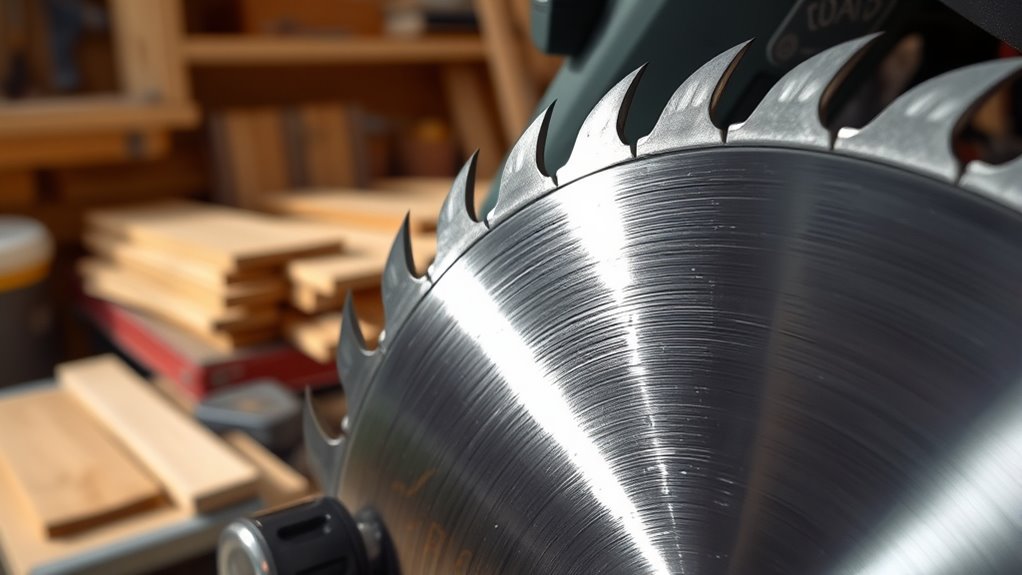
When choosing a blade for straight cuts, consider the blade material and durability to guarantee it lasts through your projects. You also need to match the blade size to your saw’s cutting capacity for clean, precise results. Picking the right combination helps you achieve straight cuts efficiently and safely. Incorporating visual and auditory cues can also enhance your accuracy during cutting. Additionally, selecting blades that are verified and registered with authorities can help ensure safety and quality. Using Free Floating blades can further improve cut stability and reduce vibrations, leading to cleaner edges. For optimal results, consider blades designed specifically for circular saws to ensure compatibility and performance. Integrating proper ventilation considerations can also help maintain a safe and comfortable workspace during cutting tasks.
Blade Material & Durability
Choosing the right blade material is essential for achieving clean, straight cuts and guaranteeing durability during your projects. The blade material directly impacts its lifespan and resistance to wear, especially when cutting tough or dense materials. Carbide-tipped blades are a popular choice because they combine excellent material resistance with a long blade lifespan, making them ideal for frequent use. High-speed steel blades, on the other hand, are more affordable and offer decent durability but may wear out faster under heavy use. If you plan on working with hardwoods or composite materials regularly, investing in a carbide blade will save you time and money in the long run. Selecting the right blade material ensures consistent performance and a clean, straight cut every time. Additionally, understanding the thermal behavior of your blade can help prevent overheating and maintain cutting precision during extended use. Proper cooling methods can further extend the life of your blade and ensure optimal cutting performance over time. Being aware of your blade composition can also guide you in choosing the most suitable blade for different materials and cutting conditions. Regular maintenance and cleaning of blades also contribute to cutting precision and overall durability. Incorporating appropriate cutting speeds can further optimize your results and reduce blade wear over time.
Blade Size & Cutting Capacity
Ever wonder how blade size affects your cutting performance? The blade diameter directly impacts your cut’s efficiency and the maximum cutting depth you can achieve. Larger blades, typically 7-1/4 inches or more, cut deeper and are ideal for bigger projects. Smaller blades, around 6-1/2 inches, are perfect for lighter tasks and tighter spaces. When selecting a blade, consider:
- The maximum cutting depth matching your project needs
- The diameter that fits your saw’s arbor and housing
- The type of cut you plan to make, ensuring the blade diameter allows for straight, clean cuts
Additionally, understanding blade compatibility with your saw can help you select the most suitable blade for your specific tool. Choosing the right blade size ensures you get ideal cutting capacity, making your straight cuts precise and safe. Always match your blade diameter to your saw’s specifications for the best results. Proper blade selection can also help prevent clogging and uneven finishes, ensuring a smoother cutting process. Additionally, selecting the correct blade type for your specific material can significantly improve your cutting performance and safety. Knowing how blade size influences performance can help you make better choices for your projects.
cordless circular saw for beginners
As an affiliate, we earn on qualifying purchases.
As an affiliate, we earn on qualifying purchases.
Preparing Your Workspace and Materials
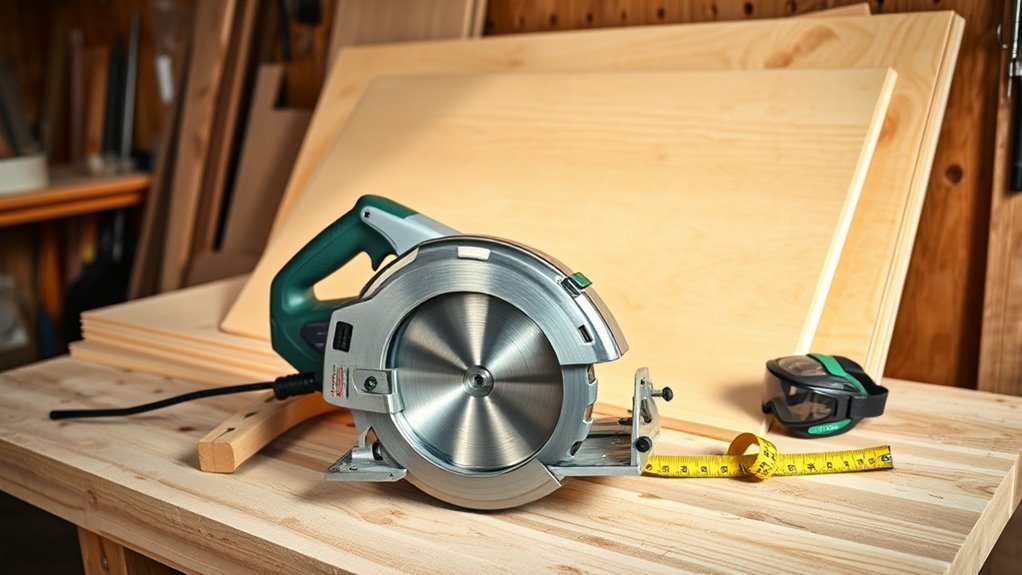
Before you start cutting, make sure your workspace is clear and organized to keep things safe and efficient. Gather all necessary tools so you won’t have to search for them mid-project. Finally, secure your work surface to prevent movement and guarantee precise cuts. Remember, maintaining a clean environment can also help reduce airborne dust and particles, contributing to a healthier workspace. air quality Ensuring proper workspace organization helps you work more accurately and safely throughout your project. Additionally, using appropriate dust control methods can further improve safety and cleanliness during cutting. Proper tool maintenance is also essential to ensure your saw operates safely and effectively.
Clear and Organized Area
Creating a clear and organized workspace is essential for safe and efficient cutting. A tidy area minimizes hazards and helps you focus on your task. Start by clearing clutter and securing loose cords to prevent trips. Use proper safety gear like goggles and ear protection to stay safe. Good dust management keeps your work area clean and reduces inhalation risks, so set up a vacuum or dust collector nearby. Keep your materials within easy reach to avoid unnecessary movements. Remember, a well-organized space boosts accuracy and speeds up your workflow. Proper workspace setup is a key part of maintaining safety and efficiency during your projects. Additionally, maintaining your tools and workspace regularly ensures consistent safety and performance, aligning with tool maintenance best practices. Ensuring your workspace is ergonomically designed can further reduce fatigue and improve precision during your cuts. Incorporating workspace ergonomics can also help prevent strain and injury over time.
Gather Necessary Tools
To work efficiently and safely with your circular saw, gather all the necessary tools and materials beforehand. Ensure you have safety gear like goggles, ear protection, and gloves to prevent injuries. Check your saw’s maintenance tips, such as blade sharpness and proper cord management, to keep it running smoothly. Having everything ready reduces interruptions and enhances safety.
| Tool / Material | Purpose | Tips |
|---|---|---|
| Safety gear | Protects you during cuts | Always wear it |
| Circular saw | Cuts straight lines | Check blade condition |
| Measuring tape / Guide | Ensures precise measurements | Keep it nearby |
Preparing your workspace with these essentials keeps your project safe, organized, and efficient.
Secure Work Surface
A secure work surface is essential for safe and accurate cuts with your circular saw. To keep your materials steady, use clamp fixtures to secure the workpiece firmly in place. This prevents movement that could cause uneven cuts or accidents. Additionally, placing anti-slip mats underneath your workpiece provides extra stability, especially on smooth or slippery surfaces. Here are some tips to enhance your workspace:
- Use clamp fixtures to hold your material securely
- Place anti-slip mats underneath for added grip
- Ensure your work surface is sturdy and level
A stable setup minimizes vibrations and shifts, allowing you to cut straight and safely. Take the time to prepare your workspace properly—this small step makes a big difference in your cutting accuracy and safety.
safety gear for circular saw cutting
As an affiliate, we earn on qualifying purchases.
As an affiliate, we earn on qualifying purchases.
Setting Up Your Circular Saw for Accurate Cuts

Before making your first cut, it’s vital to properly set up your circular saw for accuracy. Start by checking the clamp placement to secure your workpiece firmly, preventing any shifting during cutting. Make certain your saw’s base is adjusted to the correct depth and angle for your project. Proper dust collection setup is also essential; attach a vacuum or dust port to minimize debris, which can obstruct your view and affect precision. Double-check that the blade is sharp and aligned with your cut line. Take your time to verify all adjustments before powering up. A well-prepared saw helps you make straight, accurate cuts and keeps your workspace cleaner and safer. Proper setup is the foundation for clean, precise results.
Techniques for Cutting Straight Lines
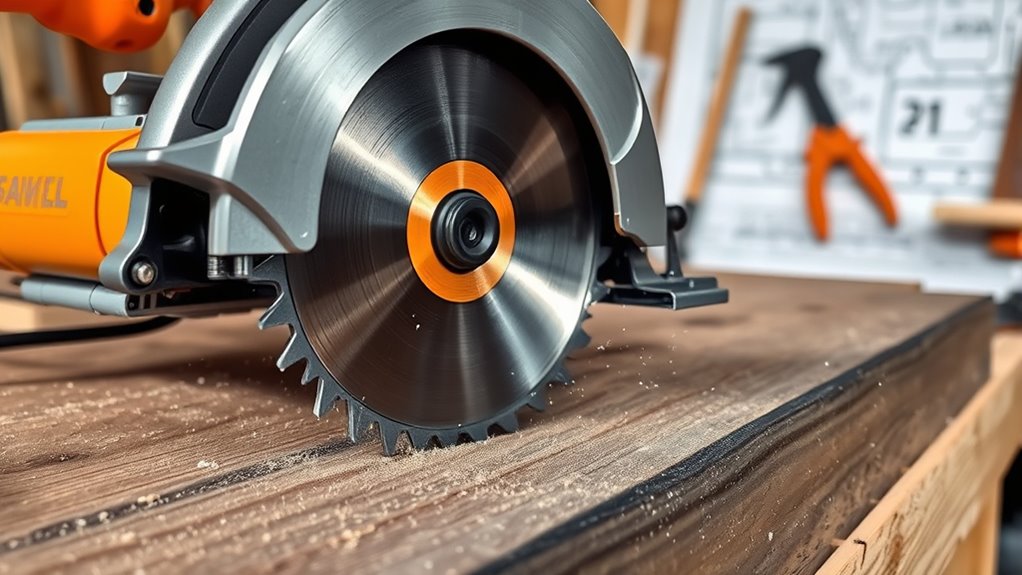
Mastering straight cuts with a circular saw requires careful technique and proper guidance. To guarantee accuracy, use tools like laser guides or cutting jigs, which help keep your saw on track. Laser guides project a clear line directly onto your material, providing a visual aid for precise cuts. Cutting jigs serve as physical guides, stabilizing your saw and ensuring straightness over longer cuts. When setting up, always confirm your saw’s alignment with your chosen guide. Keep your hands steady and maintain consistent pressure as you cut. Remember to mark your cut line clearly and double-check measurements before starting. Using these techniques and tools will help you achieve clean, straight cuts every time, making your projects look professional and polished.
Safety Tips to Protect Yourself During Cutting
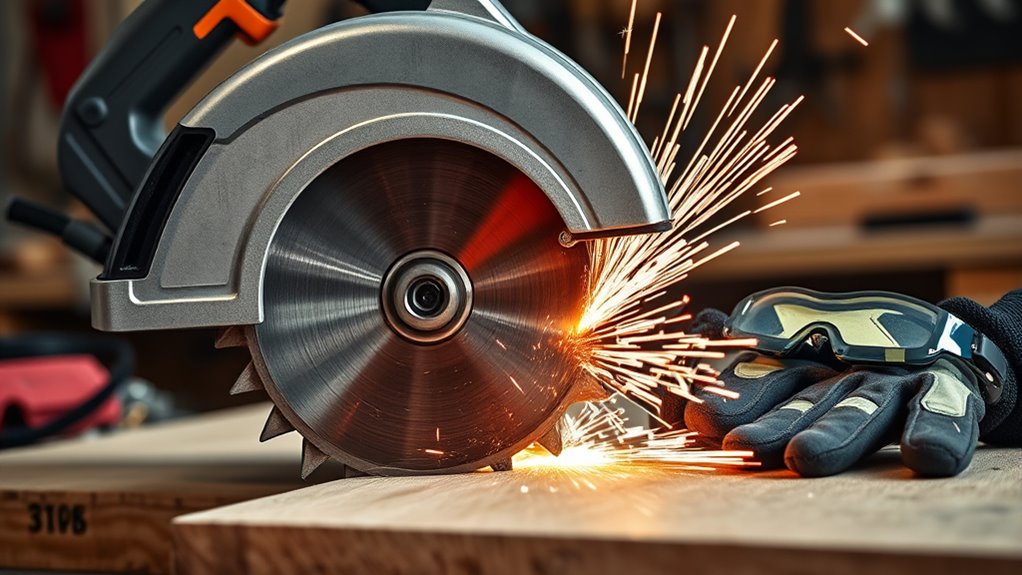
Using proper safety precautions while operating a circular saw helps prevent accidents and injuries. Always wear protective gear, such as safety glasses, hearing protection, and a dust mask, to shield yourself from debris and loud noise. Keep your hands away from the blade and maintain a firm grip to ensure safe handling. Before starting, check that the saw is in good condition, with the blade properly secured. Use a stable work surface and clamp your material firmly in place to prevent slipping. Never force the saw through the material; let the blade do the work. Stay alert, focused, and avoid distractions. Following these safety tips reduces risks, keeping you safe while making precise cuts.
Troubleshooting Common Issues While Using a Circular Saw
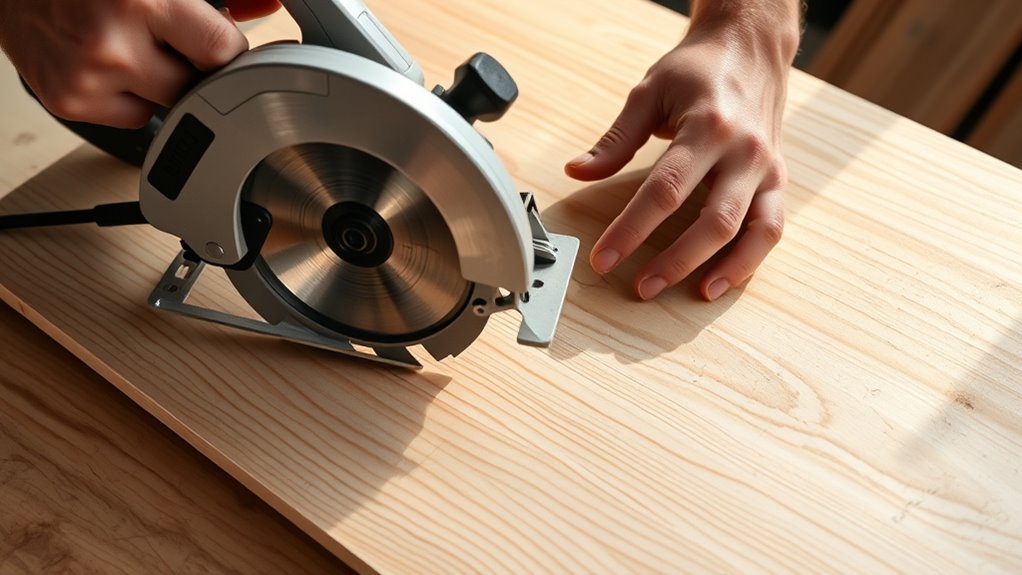
Troubleshooting your circular saw can save you time and prevent frustration during projects. If you notice blade wobble, it’s often due to a loose or damaged blade nut. Tighten the nut securely or replace the blade if damaged. Poor dust collection can make your cuts messier and harder to see; make sure your dust port is clear and attach a vacuum for better debris removal. Additionally, check for misaligned blades or worn-out bearings that may cause uneven cuts or vibrations. Keep an eye on these common issues:
- Blade wobble caused by loose or damaged blades
- Ineffective dust collection due to clogged ports
- Unusual vibrations from worn bearings or misalignment
Addressing these problems promptly helps maintain accuracy and extends your saw’s lifespan.
Frequently Asked Questions
How Do I Maintain and Care for My Circular Saw?
To maintain your circular saw, regularly check blade alignment to ensure straight cuts and prevent uneven wear. Keep the blade clean and sharp, replacing it when dull. Also, perform motor maintenance by inspecting vents for dust buildup and lubricating moving parts as needed. Proper care extends your tool’s lifespan, improves cut quality, and keeps it running smoothly. Always follow manufacturer instructions for specific maintenance routines.
Can I Cut Materials Other Than Wood With a Circular Saw?
You can absolutely cut materials other than wood with your circular saw, but it’s like wielding a sword in a battlefield—you need the right tools! Check the material options and verify blade compatibility before tackling metals, plastics, or tiles. Using the wrong blade can cause dangerous kickbacks or damage. Always choose the appropriate blade designed for your specific material, and you’ll cut through like a hot knife through butter!
What’s the Ideal Cutting Speed for Different Materials?
For different material types, adjusting your cutting speed is key. Softer materials like plywood or plastic need a faster cutting speed to prevent burning or melting. Harder materials like metal or dense hardwoods require a slower, more controlled cutting speed for clean, precise cuts. Always match your saw’s speed settings to the material type, ensuring you work safely and efficiently while maintaining peak cutting performance.
How Do I Extend the Lifespan of My Saw Blades?
Think of your saw blades as fine-tuned dancers; to keep them graceful, you must give them proper care. Regular blade sharpening keeps their edge sharp and ready for action, while proper storage prevents rust and damage. Store blades in a dry, safe place and clean them after each use. By treating your blades like treasured tools, you’ll extend their lifespan and ensure smooth, precise cuts every time.
Are There Accessories That Improve Cutting Accuracy?
Yes, you can improve your cutting accuracy with accessories like cutting guides and feather boards. Cutting guides help you make straight, precise cuts by aligning your saw perfectly. Feather boards hold the material steady and keep it pressed against the fence, reducing kickback and wobble. Using these accessories together guarantees cleaner, more accurate cuts, making your woodworking projects easier and more professional-looking.
Conclusion
Now that you’re armed with the basics, you’re ready to tackle straight cuts with confidence. Remember, practice makes perfect, so don’t be afraid to get your hands dirty and learn from each cut. Keep safety top of mind, and you’ll avoid barking up the wrong tree. With patience and attention to detail, you’ll soon be cutting like a pro. So go ahead, give it a shot — it’s time to hit the ground running!
Fall yard work Picks
leaf blowers
As an affiliate, we earn on qualifying purchases.