
When starting a DIY project, you might skip proper planning, ignore safety measures, or choose the wrong tools and materials. Failing to measure precisely, rushing steps, or neglecting clear instructions can cause mistakes that waste time and money. Don’t forget to set realistic schedules and budgets, and honestly assess your skills. If you pay attention to these common pitfalls, you’ll set yourself up for success. Keep going – there’s more to learn to make your project smooth and safe.
Key Takeaways
- Plan thoroughly with accurate measurements to prevent costly mistakes and ensure project success.
- Prioritize safety by using proper gear, tools, and ventilation to avoid injuries and environmental hazards.
- Choose high-quality, compatible tools and materials to enhance durability and reduce errors.
- Follow step-by-step instructions carefully and manage your budget to stay on schedule and avoid overspending.
- Prepare your workspace and environment to maintain safety, efficiency, and a smooth DIY process.
Skipping Proper Planning and Research

Many beginners immerse themselves into DIY projects without taking the time to plan or research properly, which can lead to costly mistakes. One key mistake is neglecting careful material selection; choosing the wrong materials can compromise your project’s durability and quality. Before starting, research the best materials suited to your task, considering factors like strength, flexibility, and cost. Additionally, project documentation is essential—it helps you stay organized and track your progress. Keep detailed notes on measurements, materials used, and steps taken. This self-awareness can help you recognize potential pitfalls early and adjust your approach accordingly. Incorporating design thinking principles, such as empathy and iterative testing, can further enhance your project outcomes. Good planning ensures that you allocate your resources efficiently and avoid unnecessary expenses. Proper planning also involves understanding project scope, which helps set realistic goals and timelines. This not only prevents errors but also makes troubleshooting easier if issues arise later. Skipping these planning steps might save time initially, but it often results in wasted resources and subpar results. Proper planning guarantees your project is efficient, effective, and safe. Additionally, neglecting to consider sound structural integrity can jeopardize the safety and longevity of your DIY project.
Underestimating the Importance of Safety Measures
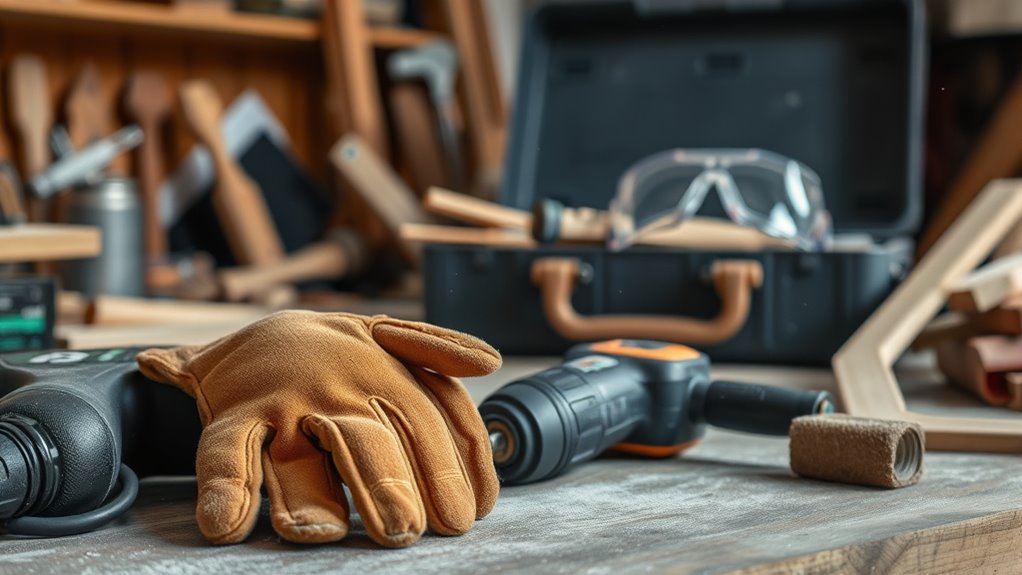
Skipping proper planning often leads to overlooking safety precautions, which can turn a simple project into a dangerous situation. You might think you don’t need safety gear, but neglecting it puts you at risk of injury. Always assess potential hazards before starting, and prioritize hazard awareness throughout the project. Wearing appropriate safety gear—like goggles, gloves, or masks—protects you from debris, chemicals, or sharp objects. Many beginners underestimate the importance of these measures, assuming accidents won’t happen to them. Additionally, understanding environmental considerations helps prevent unintended harm to surrounding ecosystems and promotes sustainable practices. Being aware of proper disposal methods further reduces environmental impact and ensures compliance with safety standards. Incorporating ventilation considerations is also crucial to ensure a safe working environment, especially when working with heat sources or chemicals. Furthermore, familiarizing yourself with safety regulations ensures your project adheres to legal standards and best practices. Additionally, recognizing hazard identification techniques allows you to proactively address potential risks before they cause problems. However, taking safety seriously isn’t just about following rules; it’s about protecting yourself and ensuring your project goes smoothly. Never skip safety steps or underestimate the risks—your well-being depends on your vigilance and preparedness.
Choosing the Wrong Tools and Materials
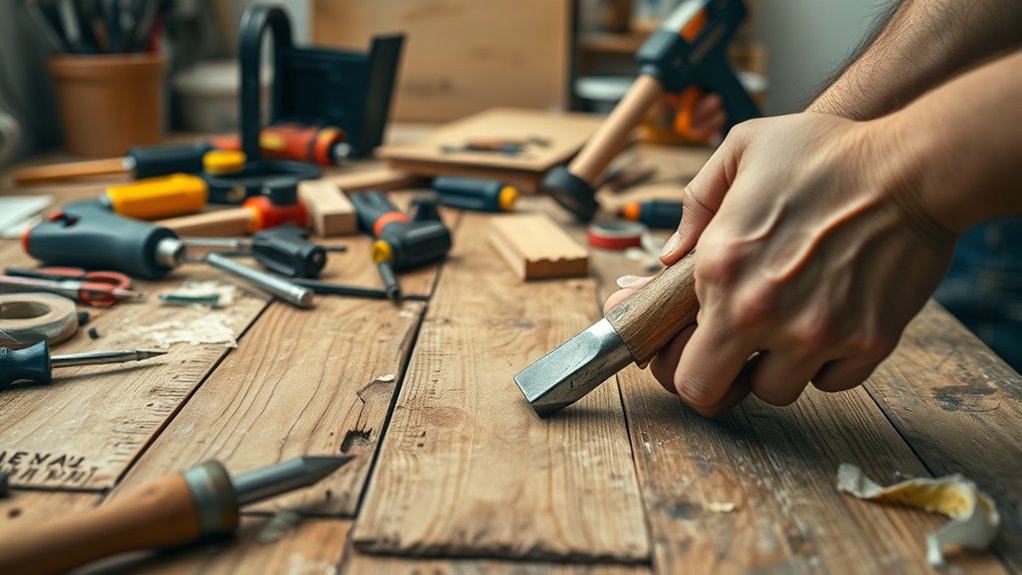
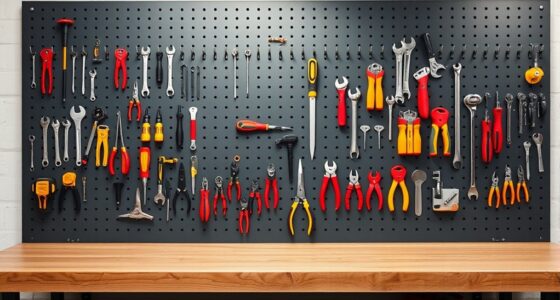
Choosing the right tools and materials is essential because using the wrong ones can compromise your project’s quality and safety. Poor tool selection can lead to mistakes or injuries, while low material quality affects durability and finish. Always match tools to the task and opt for high-quality materials to ensure longevity. Here’s a quick guide:
| Tool Selection | Material Quality |
|---|---|
| Use the correct size and type of tools | Choose materials suited for your project |
| Invest in reliable brands | Avoid cheap, low-grade options |
| Maintain your tools regularly | Check for defects before use |
| Use safety gear with tools | Select materials with proper specifications |
| Read instructions for tools | Consider environmental factors affecting materials |
Additionally, selecting appropriate jewelry materials is crucial to prevent irritation and ensure proper healing, especially for sensitive areas like piercings. Being aware of natural pool features can help you choose environmentally friendly options that promote sustainability in your backyard. Proper planning and knowledge about material properties can also help you avoid common DIY mistakes that often occur due to oversight or lack of experience. Being informed about quality assurance practices can further help you select the best tools and materials for your project.
Ignoring Measurements and Precise Planning

Forgetting to measure carefully can lead to mistakes that ruin your project. Skipping detailed planning makes it harder to foresee problems before they happen. Without precise planning, you risk wasting time, money, and effort on a project that doesn’t turn out as expected. Incorporating planning frameworks can help organize your steps and improve overall accuracy. Utilizing European cloud standards ensures your project aligns with best practices for security and sustainability. Additionally, paying attention to projection placement can prevent alignment issues that compromise your viewing experience.
Underestimating the Importance of Measurements
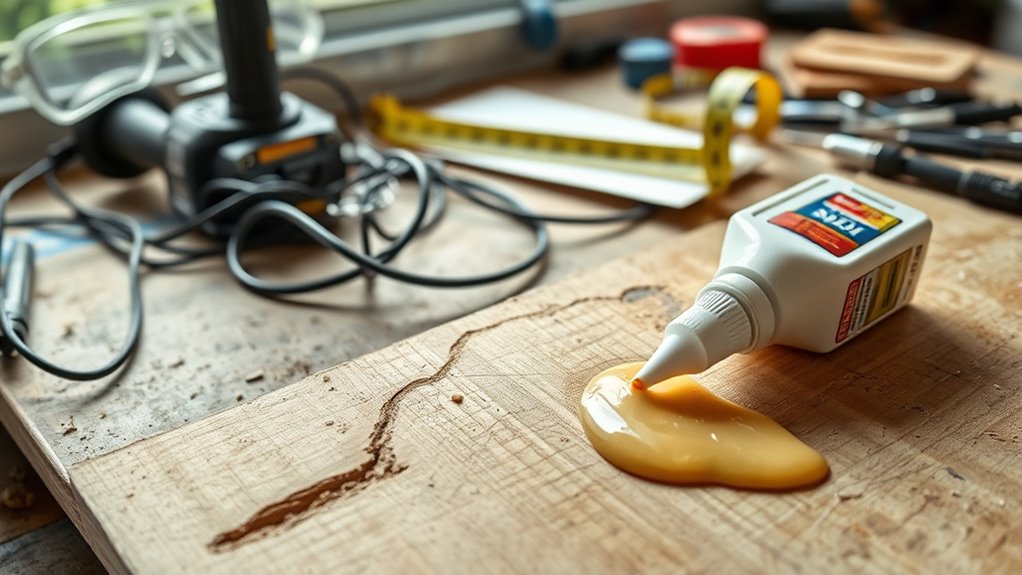
When you overlook the importance of accurate measurements, small mistakes can quickly snowball into larger problems that are hard to fix. Precision measurement is vital to ensure parts fit correctly and structures are stable. Skipping careful measurements leads to inaccurate calculations, which can cause misaligned cuts, uneven surfaces, or even project failure. Rushing through measurement steps often results in wasted materials and extra work. Take the time to double-check your measurements before cutting or assembling. Using proper tools like a tape measure, square, or level helps improve accuracy. Remember, precision in measurement isn’t just about getting it right the first time—it’s about preventing costly errors down the line. Prioritizing accurate calculations from the start keeps your project on track and minimizes frustrations.
Skipping Detailed Planning Steps
Skipping detailed planning steps, especially ignoring measurements and precise planning, can lead to costly mistakes and wasted effort. Without careful planning, you miss out on design flexibility, making it harder to adapt your project as needed. Accurate measurements ensure your materials fit perfectly, reducing waste and preventing rework. Neglecting these steps can also limit your material versatility, forcing you to settle for less suitable options or purchase extra supplies. Precise planning helps you visualize the final result and identify potential issues early. It also allows you to select the appropriate materials and tools from the start, which can streamline your construction process. Incorporating detailed checklists during planning can help ensure you don’t overlook critical steps. Additionally, understanding measurement techniques can improve the accuracy of your planning and outcomes. It saves you time, money, and frustration by keeping your project on track. Don’t underestimate the importance of thorough measurements and detailed planning—these are the foundation of a successful DIY project. Proper material selection based on accurate planning can also improve the overall quality and durability of your finished work.
Overlooking the Need for Clear Instructions or Tutorials

Without clear instructions or tutorials, beginners often find themselves lost or making avoidable mistakes. Visual instructions and step-by-step guidance are essential for understanding complex tasks and ensuring accuracy. If you skip these resources, you might misinterpret steps, use the wrong tools, or apply materials incorrectly. Clear tutorials provide a roadmap, breaking down the project into manageable parts, which boosts your confidence and efficiency. They also help you anticipate potential issues, saving you time and frustration. Relying on detailed instructions guarantees you follow best practices and avoid costly errors. Whether you’re assembling furniture, wiring electronics, or crafting décor, having access to quality visual instructions makes your DIY experience smoother and more successful. Don’t underestimate the power of proper guidance. Sleep hygiene, for example, emphasizes the importance of clear routines and environment adjustments, which can be as crucial as following step-by-step instructions for successful results.
Rushing Through the Project Without Preparation
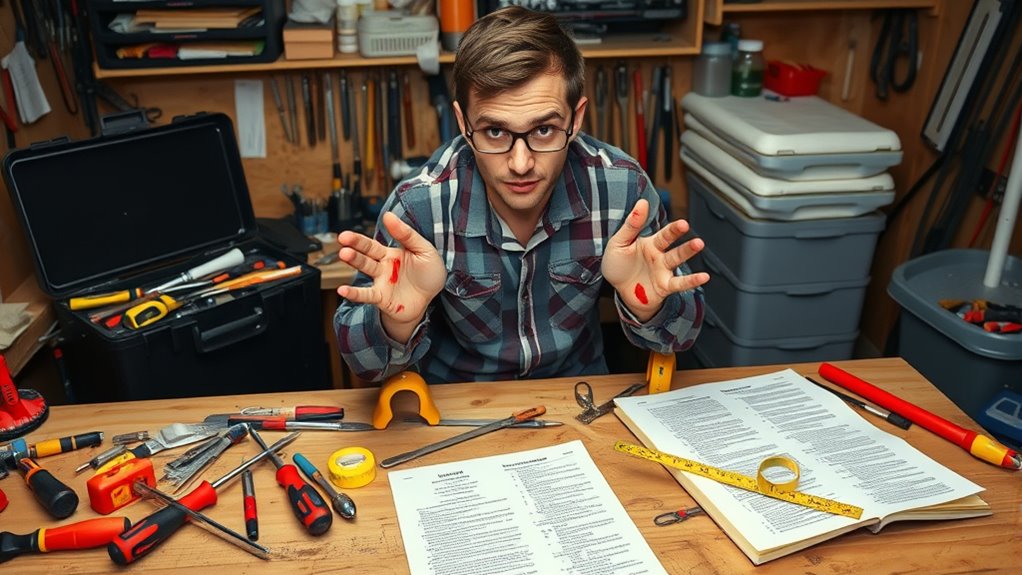
Rushing into a project without proper preparation can lead to costly mistakes. Skipping planning steps or not gathering the right tools often results in delays and frustration. Taking the time to prepare guarantees your project runs smoothly from start to finish.
Skipping Planning Steps
Many beginners jump into their projects too quickly, thinking they can figure things out as they go. Skipping planning steps often leads to mistakes or incomplete work. Before starting, define your project scope and set clear goals. This helps you stay focused and avoid unnecessary detours. Without proper planning, you might buy the wrong materials, underestimate time, or miss key steps. Take time to outline what you want to achieve and how to do it. Use this simple guide to stay organized:
| Planning Step | Benefit |
|---|---|
| Define project scope | Clarifies what’s needed |
| Set specific goals | Keeps you focused |
| List required tools | Prevents last-minute runs |
| Prepare a timeline | Ensures steady progress |
Skipping these steps can undermine your project’s success.
Not Gathering Proper Tools
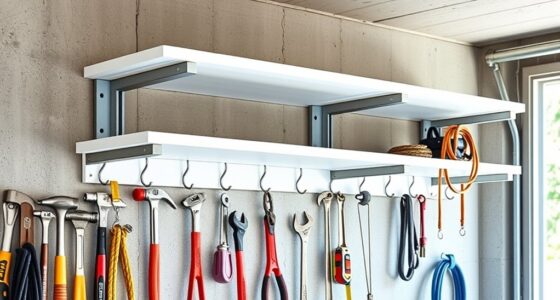
Skipping planning steps can make it tempting to start your project right away, but rushing in without the right tools often leads to frustration and mistakes. Before beginning, gather all the essential safety gear, like gloves and goggles, to protect yourself. Verify you have the proper tools for each task—using the wrong ones can cause damage or injury. Avoid improvising with unsuitable equipment, as it increases the risk of errors. Once your tools are ready, store them properly to keep everything organized and accessible. Proper storage not only prolongs tool life but also makes your project smoother. Taking the time to prepare your tools and safety gear upfront saves time and prevents accidents, helping you complete your DIY project successfully.
Neglecting to Follow Step-by-Step Procedures
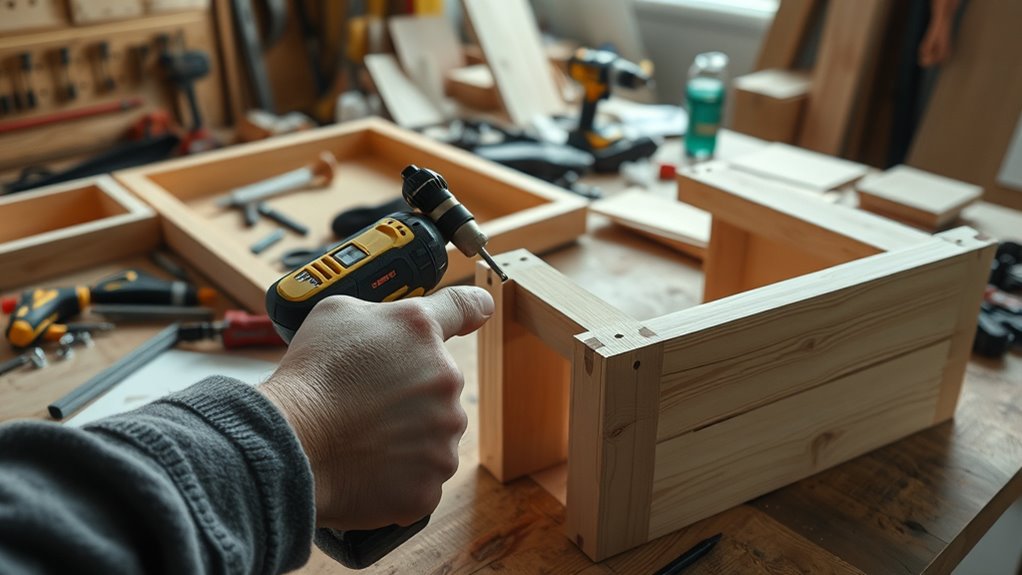
Neglecting to follow step-by-step procedures can quickly lead to mistakes that compromise your project’s success. When you skip or rush through instructions, you risk errors that could require redoing work or causing damage. Maintaining step-by-step adherence ensures you’re following the correct sequence, which keeps the project on track and prevents overlooked details. Procedural discipline means sticking to the planned process, even if you feel confident or enthusiastic to move ahead. Failing to do so can result in missed steps or improper techniques, ultimately affecting the quality of your work. To avoid this, stay focused on each step, double-check instructions, and don’t rush. This disciplined approach saves time and effort in the long run, leading to a more successful DIY project.
Failing to Account for Budget and Time Constraints

Failing to take into account your budget and time limits can quickly derail a DIY project before it even begins. Budget pitfalls and time miscalculations often cause frustration and delays. To avoid this, consider these key points:
- Set a realistic budget and include a contingency fund for unexpected expenses.
- Break down the project into manageable phases with clear deadlines.
- Research costs upfront to prevent overspending on materials.
- Allocate extra time for unforeseen delays or setbacks.
Ignoring these factors can lead to overspending and missed deadlines, making the project more stressful. Staying aware of your limits helps you plan effectively, avoid budget pitfalls, and keep your project on track. Proper planning ensures you finish with satisfying results rather than unfinished or overextended efforts.
Overestimating Your Skill Level

When you overestimate your skills, you risk making mistakes that could have been avoided. Overconfidence can lead you to take on projects that are beyond your current abilities, resulting in frustration or failures. Setting realistic expectations helps you stay safe and improve steadily.
Overconfidence Risks
Overestimating your skill level can lead to costly mistakes when trying DIY projects. Overconfidence pitfalls often cause you to take on tasks beyond your ability, risking damage or injury. Recognize these common errors:
- Jumping into complex projects without proper preparation
- Ignoring safety precautions due to overconfidence
- Using inappropriate tools or materials because you think you know better
- Skipping tutorials or expert advice, assuming you can figure it out yourself
Skill overestimation hampers your progress and can lead to repeated mistakes. Being aware of your limits helps prevent mishaps and saves time and money. Remember, confidence is good, but overconfidence can derail your project. Stay humble, learn, and build your skills gradually to avoid these pitfalls.
Unrealistic Expectations
While confidence in your abilities can motivate you to try new projects, it’s easy to set yourself up for disappointment by expecting too much too soon. Unrealistic expectations often lead to frustration when things don’t go as planned. To avoid this, set realistic expectations from the start and focus on proper project planning. Assess your skill level honestly and choose projects that match it, gradually increasing complexity as you gain experience. Rushing into advanced tasks without proper preparation can cause mistakes and setbacks. Remember, DIY is a learning process, and patience is key. By managing your expectations and planning carefully, you’ll enjoy the process, improve your skills, and achieve better results without unnecessary stress or disappointment.
Not Allowing Enough Time for Drying, Setting, or Curing
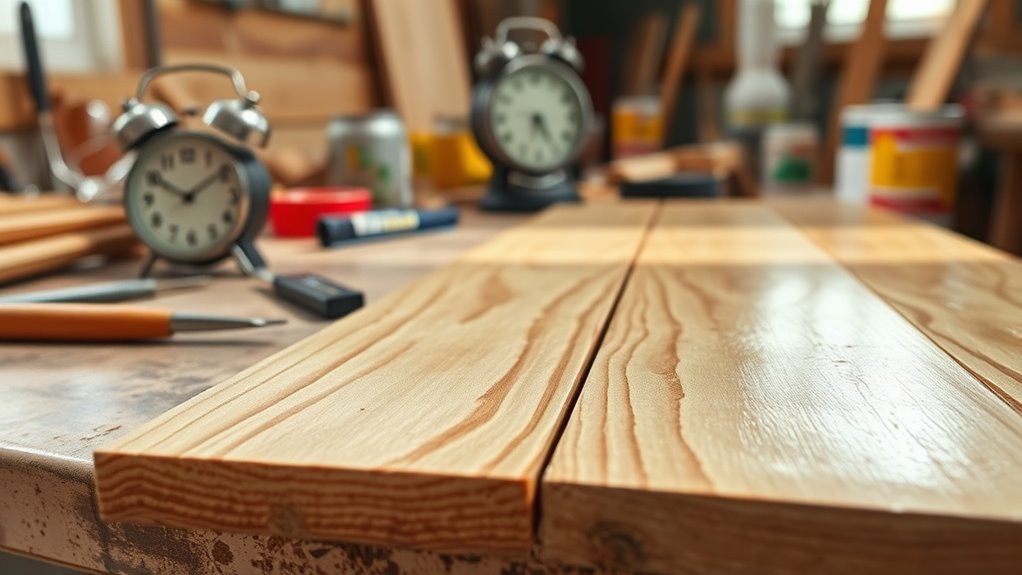
Rushing the drying, setting, or curing process can cause serious issues with your project. Skipping or shortening these steps leads to drying delays and curing mistakes that compromise durability and finish. To avoid this, follow these tips:
- Be patient: Allow enough time for materials to dry completely before moving on.
- Follow manufacturer instructions: Stick to recommended curing times for glues, paints, or concrete.
- Control environment: Keep the workspace temperature and humidity within ideal ranges.
- Check progress: Don’t assume it’s ready—test or observe for proper dryness or set.
Neglecting these steps results in weak bonds, cracks, or uneven finishes. Patience during curing saves you from costly repairs and rework later on.
Frequently Asked Questions
How Do I Determine the Right Tools for My Project?
To determine the right tools for your project, start by clearly defining your project scope and understanding the tasks involved. Research the necessary tools for each step, focusing on quality and versatility. Check online guides, tutorials, or ask at your local hardware store for recommendations. Remember, proper tool selection is vital for safety and efficiency. Investing in the right tools saves you time and helps achieve professional results.
What Are Common Safety Mistakes Beginners Make?
You often overlook safety gear and hazard awareness, which can lead to accidents. Always wear appropriate safety gear like goggles, gloves, and masks, depending on your project. Stay alert to potential hazards, such as sharp tools or toxic materials, and keep your workspace organized. By prioritizing safety gear and being cognizant of hazards, you protect yourself and ensure your DIY project stays safe and successful.
How Can I Improve My Measurement Accuracy?
To improve your measurement accuracy, focus on proper calibration techniques and using quality measurement tools. Regularly calibrate your tools according to manufacturer instructions to make certain precise readings. Invest in reliable measurement tools suited to your project, and always double-check measurements before proceeding. Keep tools clean, handle them carefully, and avoid rushing. By maintaining calibration and choosing appropriate tools, you’ll achieve more accurate results and avoid costly mistakes.
What Resources Are Best for Step-By-Step Guidance?
You’ll find that online tutorials and instructional books are your best resources for step-by-step guidance. They often come with detailed images and clear instructions, making complex tasks easier. Coincidentally, many DIY enthusiasts discover helpful tips and tricks through these sources, saving you time and frustration. Immerse yourself in reputable websites, watch tutorial videos, and pick up well-reviewed books to build your skills confidently and avoid common pitfalls.
How Do I Budget Effectively for a DIY Project?
To budget effectively for your DIY project, start with budget planning by listing all necessary materials and tools. Set a realistic limit and include a contingency fund for unexpected expenses. Use expense tracking tools or apps to monitor your spending in real-time, ensuring you stay within your budget. Regularly review your costs and adjust your plan as needed to avoid overspending and keep your project on track financially.
Conclusion
Avoiding DIY mistakes is like steering a ship through calm waters—you’ll enjoy the journey and reach your destination safely. By planning carefully, following instructions, and respecting your limits, you’ll turn your project from a potential storm into smooth sailing. Remember, patience and preparation are your best tools. Keep these tips in mind, and you’ll craft with confidence, transforming challenges into chances to learn and grow. Happy DIY-ing!