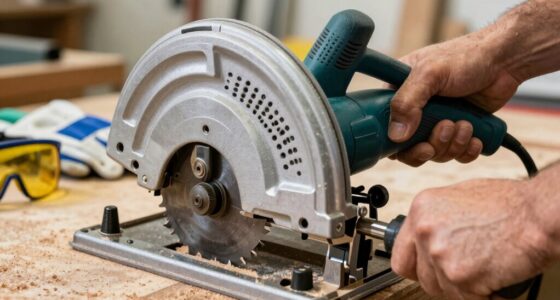
To prevent your tool cords from failing early, handle them carefully by keeping cords neatly coiled and avoiding tangles, sharp bends, or pinching. Regularly inspect cords for damage like cuts or cracks, and replace or repair them promptly. Keep cords flexible, clean, and store them properly to reduce wear. Practicing consistent management and maintenance can greatly extend their lifespan—stick around to discover more tips for keeping your cords in top shape.
Key Takeaways
- Regularly inspect cords for damage and replace any with exposed wires or compromised insulation promptly.
- Properly coil and store cords to prevent tangling, sharp bends, and unnecessary wear.
- Use cords that feel flexible and free of cracks, avoiding stiff or brittle ones.
- Keep cords off the ground and away from foot traffic to prevent stepping or pinching.
- Perform routine cleaning and maintenance, including checking connectors for corrosion or wear.
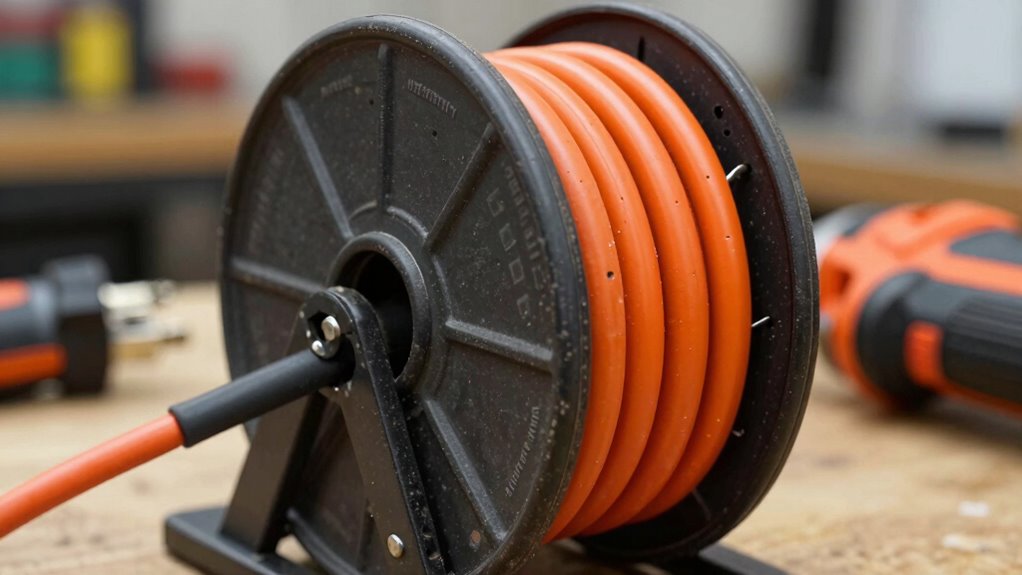
Are your power tool cords wearing out too quickly? If so, it’s time to pay closer attention to how you handle and care for them. Proper cord management is crucial to extend the lifespan of your tool cords. Never let cords hang loosely or get tangled, as this can cause unnecessary stress and wear on the wires. Use hooks, clips, or reels to keep cords neatly coiled and off the ground. When cords are properly managed, they’re less likely to be stepped on, pinched, or subjected to sharp bends that weaken the insulation and internal wiring.
Regular inspection is another essential step to prevent early failures. Before each use, take a moment to examine your cords for any signs of damage. Look for cuts, nicks, or abrasions in the insulation and check the plug and connector for any signs of cracking or looseness. If you notice exposed wires or damaged insulation, don’t ignore it — replace or repair the cord immediately. Small issues can quickly escalate into safety hazards or cause your tool to stop working altogether.
In addition to visual checks, pay attention to how the cord feels when you handle it. A cord that feels overly stiff or brittle may be nearing the end of its lifespan. Similarly, if you notice any sparking or intermittent power delivery while using the tool, it’s a clear sign that the cord needs replacing. Taking proactive measures like replacing damaged cords early can save you from costly repairs and prevent accidents caused by electrical faults. Being aware of wear and tear signs can help you identify issues before they lead to failure. Additionally, understanding proper cord storage techniques can significantly impact the longevity of your cords. Using [proper cord maintenance] routines, like cleaning the cords and inspecting connectors regularly, further contribute to their durability over time.
Ultimately, keeping your tool cords in good shape requires consistent care. Practice good cord management habits, perform regular inspections, and address any damage immediately. These small but important steps will help you avoid early cord failure, extend the life of your tools, and ensure safe operation every time you work. Taking the time to care for your cords properly pays off in the long run by maintaining reliable power delivery and preventing avoidable hazards.

VEVOR Retractable Extension Cord Reel, 50 FT Heavy Duty 14AWG/3C SJTOW Power Cord with Lighted Triple Tap Outlet, 13 Amp Circuit Breaker, 180° Swivel Bracket for Ceiling or Wall Mount
Heavy Duty 50FT Cord Reel: The 14AWG/3C SJTOW cord is extremely durable, resists water, oil, acid, alkalies, and…
As an affiliate, we earn on qualifying purchases.
As an affiliate, we earn on qualifying purchases.
Frequently Asked Questions
Can Using Extension Cords Damage My Power Tool?
Using extension cords improperly can damage your power tool’s cord if you don’t store it correctly or use one that’s too thin for your tool’s needs. Always coil your power cord properly to prevent wear and tear, and avoid pulling on it. If the cord gets damaged, opt for power cord replacement rather than risking further harm. Proper cord storage and timely replacements guarantee your tool’s lifespan and ensure safe operation.
What Are the Signs of a Failing Tool Cord?
You notice your tool cord’s insulation fraying or cracks, which are clear signs of electrical failure. You might also feel a sudden loss of power or inconsistent operation during use. Regular tool cord maintenance can prevent these issues, but stay alert for exposed wires or overheating. Recognizing these signs early helps you replace or repair the cord before a complete failure, ensuring safety and prolonging your tool’s lifespan.
How Often Should I Inspect My Tool Cords?
You should inspect your tool cords regularly, ideally before each use, to catch early signs of wear. Incorporate cord maintenance into your routine by checking for cracks, frays, or exposed wires. The inspection frequency depends on how often you work with the tools—more frequent inspections are necessary for daily use. Consistent checks help prevent failures, ensuring safety and prolonging the life of your cords.
Are There Specific Cords for Outdoor Use?
Yes, there are specific cords for outdoor use. These cords feature weatherproof insulation that withstands moisture, temperature changes, and UV rays. They also come with heavy-duty connectors to guarantee secure, durable connections even in tough conditions. Using outdoor-rated extension cords helps prevent early failure, keeping your tools safe and functional during outdoor projects. Always check for proper labeling to ensure you’re using the right cord for outdoor applications.
Is It Safe to Repair a Damaged Tool Cord Myself?
Is it safe to repair a damaged tool cord yourself? Generally, DIY repairs aren’t recommended because they can compromise safety. You should always follow safety precautions and consider professional repair options. If you decide to attempt it, make certain you use proper tools, replace damaged parts correctly, and test the cord thoroughly before use. Remember, a faulty cord can lead to shocks or fires, so prioritize safety over quick fixes.

Bayco KW-130 Cord Storage Reel with Center Spin Handle, 150-Feet
Electric cord reels made of high-quality impact-resistant plastic materials, lightweight and durable, and can be exposed to high-intensity…
As an affiliate, we earn on qualifying purchases.
As an affiliate, we earn on qualifying purchases.
Conclusion
To keep your tool cords from failing early, make sure you handle them gently, avoid yanking or twisting, and store them properly when not in use. Regularly inspect for signs of wear and replace damaged cords promptly. Remember, a stitch in time saves nine—taking care of your cords now prevents costly replacements later. With a little attention, you’ll keep your tools running smoothly and extend their lifespan, saving you time and money in the long run.

Southwire Yellow Jacket Heavy Duty Extension Cord – Outdoor Power for Tools & Equipment – Lighted End with SJTW Jacket & Three Prong Plug – 25 Foot
Reliable Jobsite Performance: The Southwire Yellow Jacket Extension Cord features a rugged light indicator cord design and SJTW…
As an affiliate, we earn on qualifying purchases.
As an affiliate, we earn on qualifying purchases.
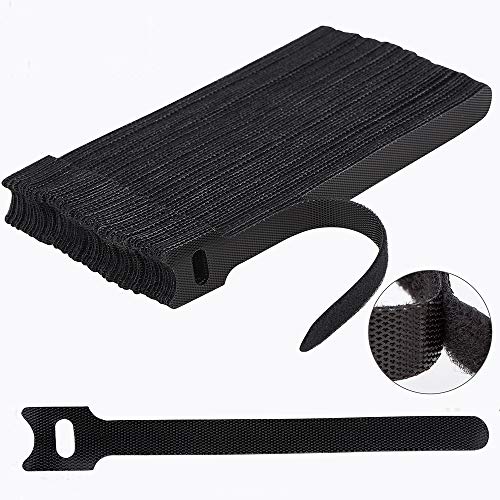
Nettbe 60 PCS 6 Inches Reusable Cable Ties, Adjustable Cord Straps Wire Organizer Cord Wrap and Hook Loop Cable Management
Reusable cable ties are made from premium nylon adhesive materials can be environmentally used multiple times
As an affiliate, we earn on qualifying purchases.
As an affiliate, we earn on qualifying purchases.