
When choosing an extension cord, guarantee it’s suitable for indoor or outdoor use by checking the labeling, and pick the right gauge—thicker, lower-numbered gauges handle more current safely. Use a cord that matches your device’s power needs to prevent overheating or damage. Properly store and inspect cords regularly for damage. If you’re interested in specific tips to stay safe and get the most out of your extension cords, keep exploring further.
Key Takeaways
- Select the correct gauge: thicker cords (lower gauge number) handle higher current demands safely.
- Use indoor cords indoors and outdoor cords outdoors to prevent degradation and hazards.
- Inspect cords regularly for damage; replace any with cracks or exposed wires immediately.
- Avoid tight bends and kinks when winding cords to prevent internal damage and prolong lifespan.
- Store cords in a dry, cool place, away from sunlight and high-traffic areas to maintain safety and durability.
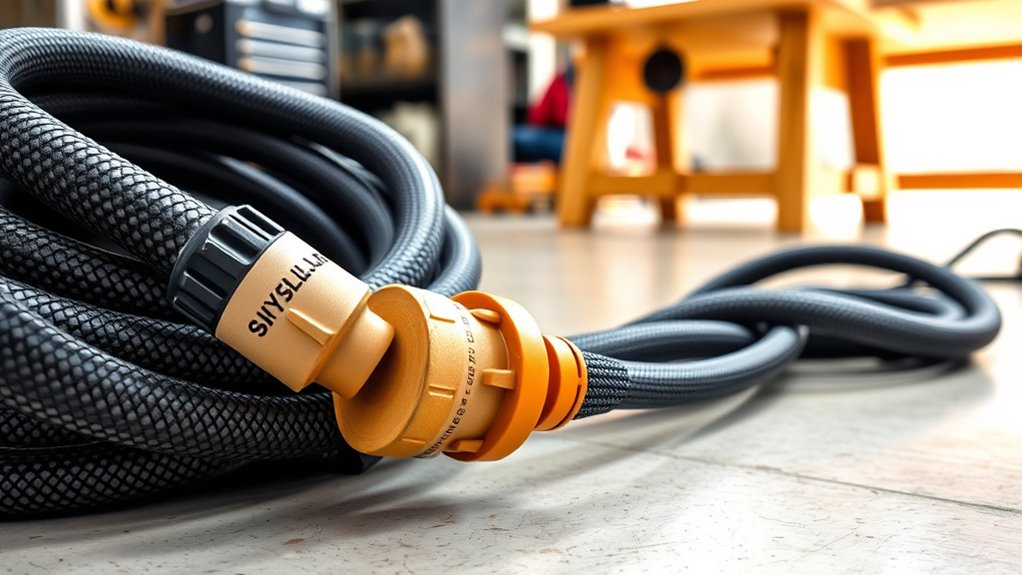
Extension cords are convenient tools for extending power supply, but they can pose safety risks if not used properly. One of the first things you should consider is selecting the right type of cord for your needs. Indoor extension cords are designed with insulation suited for indoor environments, where there’s less exposure to moisture, extreme temperatures, or rough conditions. Outdoor extension cords, on the other hand, are built to withstand weather elements like rain, snow, and sunlight. Using an outdoor cord indoors can be dangerous because it may not have the proper insulation, increasing the risk of electrical shock or fire. Conversely, using an indoor cord outdoors isn’t advisable either, as it might degrade faster when exposed to the elements, leading to potential hazards.
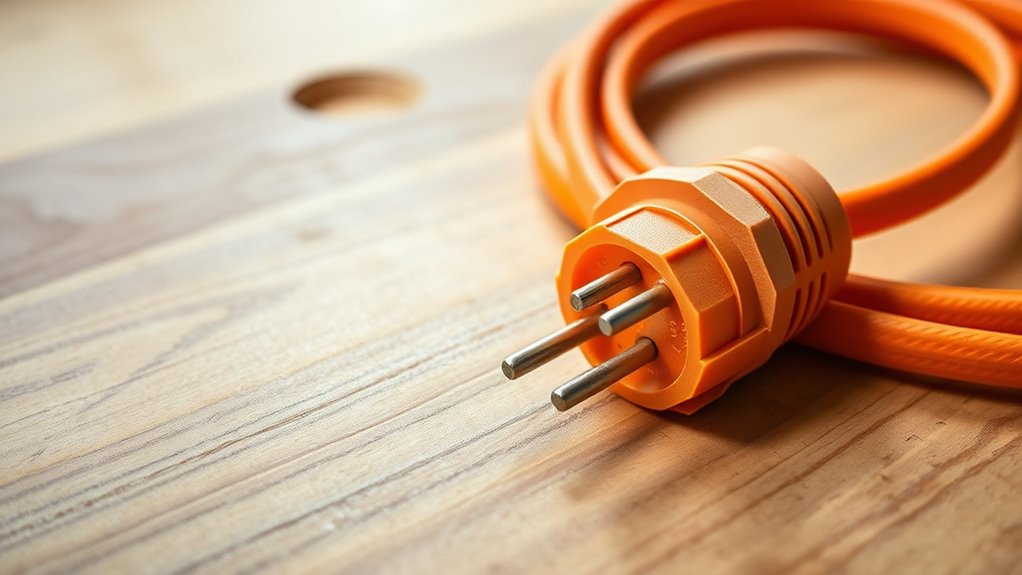
When choosing between indoor and outdoor extension cords, always check the labeling to verify the cord is suitable for your intended use. Proper selection helps prevent overheating, electrical shorts, or damage to your devices. Additionally, pay close attention to the cord’s gauge, as a thicker gauge (lower number) can handle more current and is safer for high-power devices. For light-duty tasks, a 16-gauge cord may suffice, but for more demanding appliances or equipment, a 14-gauge or even 12-gauge cord is a safer choice. Using an undersized cord can cause overheating and even fires, so never compromise on the right gauge.
Storage is another essential aspect of extension cord safety. Proper cord storage tips include winding cords neatly without tight bends or kinks, which can damage the internal wires over time. Avoid wrapping cords too tightly, as this can cause stress and eventual breakage. Store cords in a dry, cool place away from direct sunlight and moisture, and keep them out of high-traffic areas to prevent accidental damage or tripping hazards. Using a cord reel or hanging the cord on hooks helps maintain their integrity and prevents tangling or fraying. Always inspect cords before storing and after use, looking for signs of wear, cracks, or exposed wires. Damaged cords should be discarded immediately to avoid potential hazards.
Frequently Asked Questions
Can Extension Cords Be Used Outdoors Safely?
Yes, you can use extension cords outdoors safely by following weatherproofing tips. Always choose cords labeled for outdoor use, and make certain they’re rated for the weather conditions. When not in use, store cords properly using effective cord storage methods to prevent damage. Keep cords away from water and moisture, and inspect them regularly for wear and tear to avoid electrical hazards. Proper outdoor use keeps you safe and prolongs your cord’s lifespan.
How Often Should I Replace Worn-Out Extension Cords?
Think of your extension cord like a trusty steed—if it shows signs of wear, it’s time for a change. You should replace worn-out cords immediately, as part of regular cord maintenance, to prevent hazards. Generally, check for frayed insulation, exposed wires, or damage every few months. The replacement frequency depends on usage and condition; when in doubt, replace it—safety always comes first.
Are There Specific Gauges for High-Power Appliances?
Yes, for high-power appliances, you should choose a thicker gauge, like 10 or 12, to handle the increased appliance power safely. Gauge selection depends on the current the appliance draws; lower gauge numbers mean thicker cords that can carry more power without overheating. Always check your appliance’s wattage and amperage, then select an extension cord with the appropriate gauge to guarantee safety and proper function.
Can Extension Cords Be Daisy-Chained Together Safely?
You should never daisy chain extension cords, as it compromises extension safety and increases fire risk. Many think it’s a quick fix, but it can overload cords and cause overheating. Instead, use a single, properly rated extension cord for your power needs. If you need more outlets, consider installing a power strip with surge protection or hiring an electrician. Prioritize safety to keep your home and family protected.
What Are the Signs of a Damaged or Unsafe Extension Cord?
You can spot a damaged or unsafe extension cord by checking the cord insulation for frays, cuts, or cracks. Also, inspect the plugs for damaged or loose prongs, which can cause electrical hazards. If the cord feels hot, has exposed wires, or sparks when plugged in, stop using it immediately. Always replace damaged cords to prevent electrical shocks or fires, and avoid using cords with compromised insulation or damaged plugs.
Conclusion
By choosing the right gauge and using your extension cord correctly, you’re plugging into safety and peace of mind. Think of your cord as the backbone of your power needs—if it’s too thin, it’s like straining a muscle, risking damage or danger. Always inspect, avoid overloads, and unplug when not in use. With these tips, you’ll keep your home powered up safely, turning potential hazards into a distant shadow fading behind a bright, secure future.