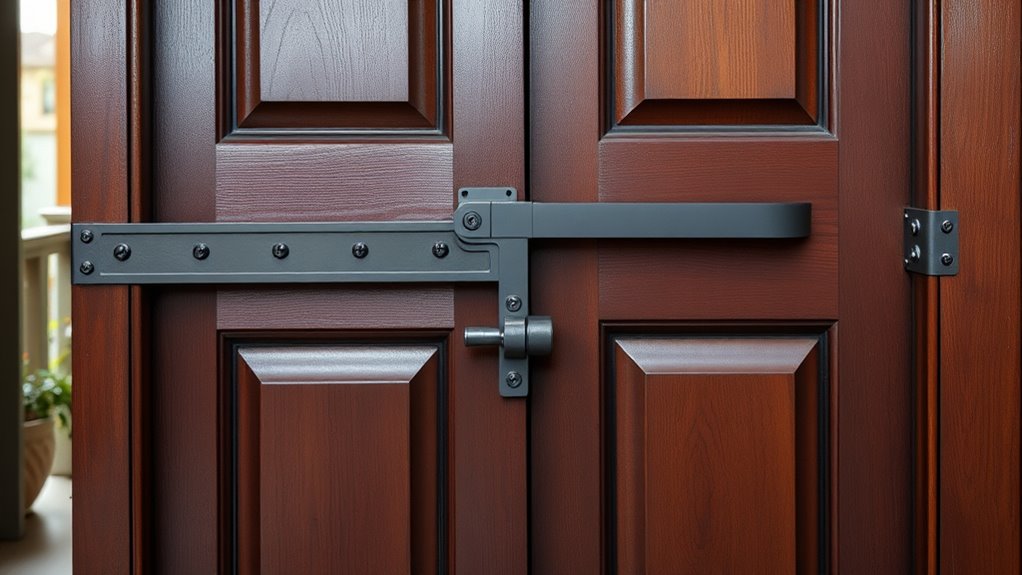
To secure your home with DIY hacks, start by reinforcing doors and windows with sturdy materials like steel or door jamb bracing to prevent forced entry. Install smart locks or add extra locks for enhanced security, and use motion-activated lights around entry points to deter intruders. Position cameras to cover blind spots and reinforce vulnerable areas with additional locks and padding. Keep your home protected with simple, effective upgrades—continue exploring to discover more smart ways to boost your security.
Key Takeaways
- Reinforce doors with solid core materials, security bars, or strike plates to prevent forced entry.
- Install additional locks such as deadbolts and smart locks for enhanced door security.
- Strengthen door frames and hinges with reinforcement plates or longer screws.
- Use window security film, locks, and sensors to deter and detect break-ins.
- Improve overall safety with outdoor lighting, strategic camera placement, and regular security checks.
Securing your home begins with understanding the importance of proactive measures to protect yourself and your belongings. The good news is, you don’t need to be a security expert to make meaningful improvements. Simple upgrades like installing alarm systems and surveillance cameras can drastically improve your home’s safety. Alarm systems act as a first line of defense, alerting you and authorities instantly if someone tries to break in. Modern systems are easy to install and can be tailored to fit your specific needs, whether that’s monitoring multiple entry points or integrating with your smartphone for remote access. Surveillance cameras add another layer of security by providing constant visual oversight of your property. With cameras strategically placed at entry points, you can monitor activity in real-time, catch suspicious behavior, and gather evidence if needed. Plus, visible cameras deter potential intruders who see that your home is well-monitored.
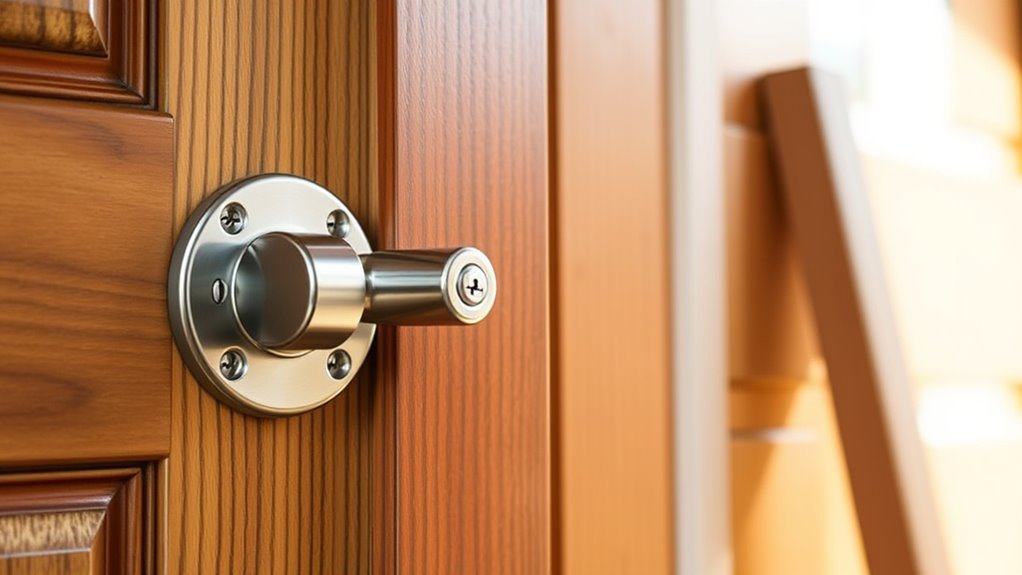
When it comes to alarm systems, it’s essential to choose a setup that suits your lifestyle. Wireless alarms are convenient—they’re easy to install and can be moved if needed—while wired systems tend to be more reliable and harder for intruders to disable. Many modern alarms come with features like motion detectors, door/window sensors, and smart home integration, giving you extensive coverage. Surveillance cameras, on the other hand, come in various types, including doorbell cameras, outdoor, and indoor models. Pick those that match your property’s layout, and ensure they have good night vision and weatherproofing for outdoor use. Connecting your cameras to a cloud service allows you to access footage from anywhere, providing peace of mind even when you’re away. Additionally, understanding the materials and design of your physical doors and windows can significantly enhance your security, as sturdy, well-maintained entry points are less vulnerable to forced entry.
Beyond technology, think about the placement of these devices. Position cameras to cover blind spots around your property and focus on vulnerable entry points. For alarm systems, ensure sensors are properly installed on all doors and windows. Combining these tech solutions with other DIY security hacks, like reinforced doors and better lighting, creates a well-rounded security plan. Remember, the goal is to make your home less appealing to intruders and more secure overall. Regularly testing your alarm system and reviewing camera footage will keep everything functioning smoothly. With these proactive steps, you’ll establish a safer environment, making your home a less attractive target for burglars while giving yourself the confidence that you’re doing everything possible to protect what matters most.
Frequently Asked Questions
How Can I Prevent Window Break-Ins Effectively?
To prevent window break-ins effectively, install window sensors to alert you of any suspicious activity. Consider adding sturdy window bars for extra protection, especially on ground-level windows. Keep windows locked when not in use, and trim back trees or bushes that could provide cover for intruders. Combining these measures creates multiple layers of security, making it considerably harder for someone to break in undetected.
What Are the Best DIY Alarm System Options?
You can choose DIY alarm systems that integrate with home automation for easy alarm installation and control. Look for options with wireless sensors, motion detectors, and door/window contacts that send alerts to your phone. Brands like SimpliSafe, Ring, and Arlo offer user-friendly setups, allowing you to customize your security. These systems are affordable and effective, giving you peace of mind by quickly notifying you of any suspicious activity.
How Do I Secure Sliding Glass Doors?
Think of your sliding glass door as a fortress vulnerable to invaders. To secure it, install sturdy sliding door locks and add security bars for extra protection. These simple measures act like a knight’s shield, making forced entry much harder. Regularly check and tighten locks, and consider professional-grade locks for added peace of mind. This way, your home stays safe, and you sleep soundly, knowing your defenses are up.
Are Smart Locks More Secure Than Traditional Locks?
Smart locks are generally more secure than traditional locks because they often feature biometric authentication and lock pick resistance. With biometric options like fingerprint recognition, you add a layer of personalized security that’s hard to duplicate. Plus, many smart locks are designed to resist picking, making forced entry more difficult. You get convenience and enhanced protection, providing peace of mind that your home is better secured against intruders.
What DIY Security Measures Are Best for Renters?
As a renter, you should focus on affordable, temporary security solutions like door and window alarms or portable locks. Adding a door jammer or security bar can boost safety without permanent modifications. Make sure your renters’ insurance covers theft, and consider installing smart locks for added convenience. These measures are cost-effective and easily reversible, giving you peace of mind without risking your deposit.
Conclusion
So, after all these DIY hacks, you might think your home is impenetrable. Ironically, the biggest threat isn’t the burglar outside, but the false sense of security inside. You’ve reinforced doors, added cameras, and locked every window — yet, it’s often complacency that leaves the door open. Remember, security isn’t just about gadgets; it’s about staying vigilant. Because in the end, the greatest lock is your awareness, not your hardware.